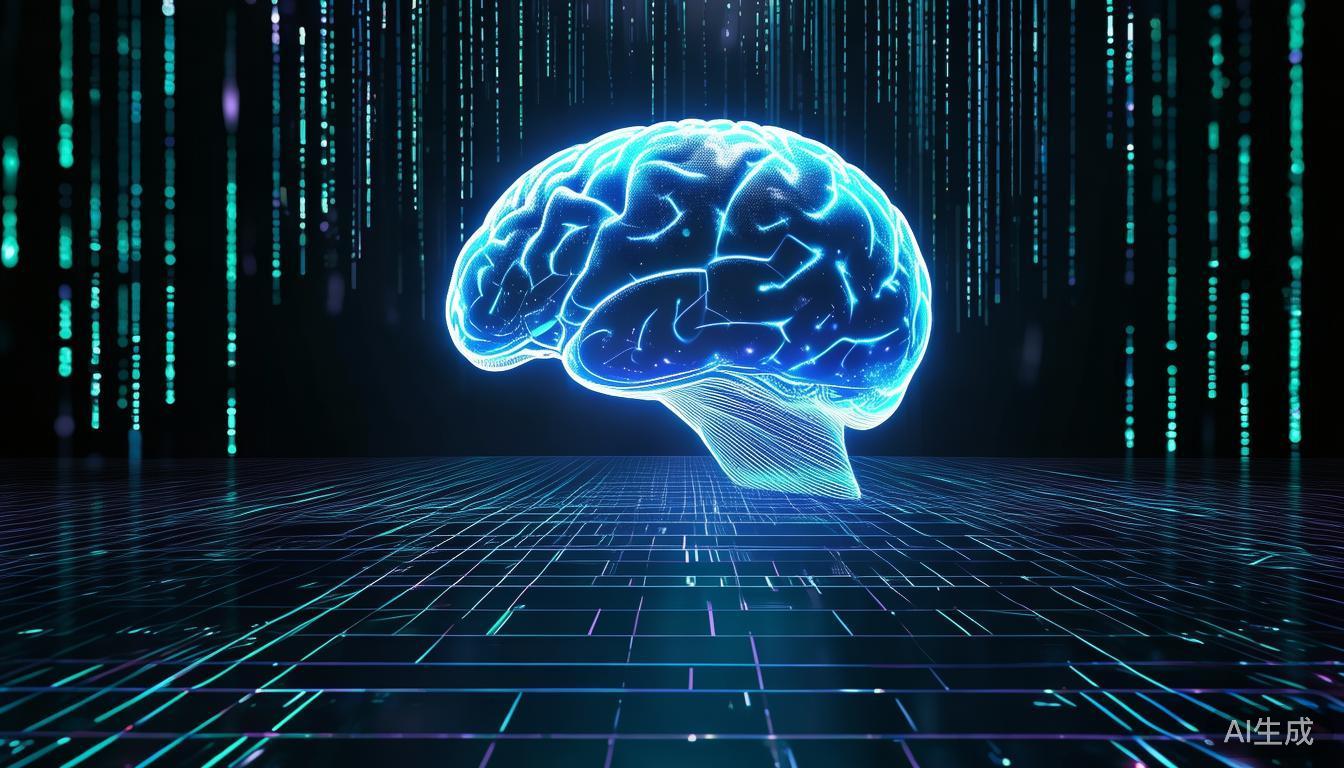
大脑的视觉韵律:旨在最大化神经反应的AI生成视频
人脑是一个由相互连接的区域组成的迷宫,每个区域都有其专门的功能。从处理感官输入到产生情绪,这些区域协同工作,创造我们对世界的体验。但如果我们能直接影响这些过程,不是通过化学手段,而是通过视觉刺激呢?洛桑联邦理工学院(EPFL)的一项开创性项目正在探索这一可能性,利用AI生成的视频来最大化特定大脑区域的活跃度。这种创新方法不仅推动了神经科学的发展边界,也为治疗应用和更深入理解大脑运作机制开辟了新途径。
追求神经优化
该项目背后的核心思想是创造不仅视觉上吸引人,而且专门设计来激发目标大脑区域最强反应的视频。这不是一项简单的任务,因为大脑对视觉刺激的反应复杂且高度个性化。然而,随着人工智能的出现,研究人员拥有了强大的新工具。
AI算法可以分析大量数据,识别人类研究人员可能忽略的模式和相关性。在这种情况下,AI被用来生成针对受试者特定神经反应的视频。通过这样做,研究人员可以观察不同的视觉输入如何影响大脑,并深入了解控制神经活动的机制。
工作原理:算法的交响曲
该过程涉及几个关键步骤,每个步骤都旨在确保生成的视频尽可能有效。以下是整个过程的详细解析:
-
数据收集:第一步是收集关于大脑对各种视觉刺激反应的数据。这通常使用功能性磁共振成像(fMRI)完成,它测量与神经活动相关的血流变化。通过分析这些数据,研究人员可以识别出哪些视觉模式能激发目标大脑区域最强的反应。
-
算法设计:收集数据后,下一步是设计一个AI算法,根据这些模式生成视频。该算法被训练来识别最响应性视觉刺激的关键特征,然后利用这些知识创建可能产生相似反应的新视频。
-
视频生成:AI生成一系列具有略微不同视觉特征的视频。然后,这些视频被展示给受试者,同时监测其大脑活动。研究人员观察哪些视频产生最强的反应,并利用这些信息来改进算法。
-
迭代优化:这个过程是迭代的。算法根据大脑的反应不断改进,从而生成越来越有效的视频。随着时间的推移,AI可以生成专门设计来最大化目标大脑区域活跃度的视频。
案例:视觉刺激与神经反应
为了说明这一过程,让我们考虑一个假设性案例。假设研究人员正在研究视觉皮层,它负责处理视觉信息。他们可能会先向受试者展示一系列图像,并使用fMRI测量其大脑活动。然后,他们会识别出产生最强反应的图像,并利用这些信息来训练一个AI算法。
AI随后会生成一系列视频,每个视频都具有与最响应性图像相似的视觉特征。例如,它可能会创建具有高对比度、特定颜色或特定运动模式的视频。受试者随后会观看这些视频,同时监测其大脑活动。研究人员会观察哪些视频产生最强的反应,并利用这些信息来改进算法。
通过这种迭代过程,AI可以生成专门设计来最大化视觉皮层活跃度的视频。这可以为我们提供宝贵的见解,了解大脑如何处理视觉信息,并可能为视觉障碍带来新的治疗方法。
应用与启示
这项技术的潜在应用广泛多样。以下是几个可能产生重大影响的领域:
-
治疗疗法:对于患有神经系统疾病(如阿尔茨海默病或中风)的人来说,这项技术可用于创建个性化的视觉疗法,刺激受影响的大脑区域。通过最大化这些区域的神经活动,有可能改善认知功能并减缓疾病的进展。
-
神经科学研究:这种方法也可能通过提供一种研究大脑功能的新方式来彻底改变神经科学研究。研究人员可以使用AI生成的视频来探索各种认知过程(如注意力、记忆和情绪)背后的神经机制。
-
娱乐与媒体:除了治疗应用,这项技术还可以用于创造更具吸引力和沉浸感的娱乐体验。想象一部动态调整以最大化观众情绪反应的电影,或是一款根据玩家神经活动调整的视频游戏。
伦理考量
鉴于如此强大的功能,有必要考虑这项技术的伦理影响。主要担忧之一是潜在的滥用。例如,这项技术能否被用来操纵人们的思想或情绪?尽管当前应用主要是治疗性的,但重要的是要持续讨论这种技术的伦理使用。
另一个担忧是技术的可及性。如果AI生成的视频成为医疗治疗的标准部分,我们如何确保它们对所有人开放,无论社会经济地位如何?这些问题复杂且需要仔细考虑,随着技术的不断发展,这些问题将需要持续关注。
总结
EPFL的项目代表了我们理解和操纵神经活动的重要一步。通过使用AI生成的视频来最大化目标大脑区域的反应,研究人员为治疗治疗和神经科学研究开辟了新的可能性。虽然需要考虑伦理问题,但潜在的好处是巨大的。随着这项技术的不断发展,它可能为神经系统疾病的个性化有效治疗、对大脑运作机制的更深入了解,甚至更具吸引力和沉浸感的娱乐体验铺平道路。大脑的视觉韵律复杂而迷人,而AI为我们探索和理解它提供了新的工具。
The Brain's Visual Rhythm: AI-Generated Videos Designed to Maximize Neural Response
The human brain is a labyrinth of interconnected regions, each with its own specialized functions. From processing sensory inputs to generating emotions, these regions work in harmony to create our experience of the world. But what if we could directly influence these processes, not through chemical means, but through visual stimuli? A groundbreaking project from the École Polytechnique Fédérale de Lausanne (EPFL) is exploring just this possibility, using AI-generated videos to maximize the activity of specific brain regions. This innovative approach not only pushes the boundaries of neuroscience but also opens up new avenues for therapeutic applications and deeper understanding of the brain's workings.
The Quest for Neural Optimization
The core idea behind this project is to create videos that are not just visually appealing but are specifically designed to elicit the strongest possible response from a target brain region. This is no simple task, as the brain's response to visual stimuli is complex and highly individualized. However, with the advent of artificial intelligence, researchers have a powerful new tool at their disposal.
AI algorithms can analyze vast amounts of data to identify patterns and correlations that might be missed by human researchers. In this case, the AI is used to generate videos that are tailored to the specific neurological responses of the subject. By doing so, the researchers can observe how different visual inputs affect the brain and gain insights into the mechanisms that govern neural activity.
How It Works: A Symphony of Algorithms
The process involves several key steps, each designed to ensure that the generated videos are as effective as possible. Here’s a closer look at how it all comes together:
-
Data Collection: The first step is to collect data on the brain's response to various visual stimuli. This is typically done using functional magnetic resonance imaging (fMRI), which measures changes in blood flow related to neural activity. By analyzing this data, researchers can identify which visual patterns elicit the strongest responses from the target brain region.
-
Algorithm Design: Once the data is collected, the next step is to design an AI algorithm that can generate videos based on these patterns. The algorithm is trained to recognize the key features of the most responsive visual stimuli and then uses this knowledge to create new videos that are likely to produce similar responses.
-
Video Generation: The AI generates a series of videos, each with slightly different visual characteristics. These videos are then shown to the subject while their brain activity is monitored. The researchers observe which videos produce the strongest responses and use this information to refine the algorithm.
-
Iterative Optimization: This process is iterative. The algorithm is continually refined based on the brain's responses, leading to increasingly effective videos. Over time, the AI can generate videos that are specifically designed to maximize the activity of the target brain region.
Example: Visual Stimuli and Neural Response
To illustrate this process, let's consider a hypothetical example. Suppose researchers are studying the visual cortex, which is responsible for processing visual information. They might start by showing the subject a series of images and using fMRI to measure their brain activity. They would then identify the images that produce the strongest responses and use this information to train an AI algorithm.
The AI would then generate a series of videos, each with visual characteristics similar to the most responsive images. For instance, it might create videos with high contrast, specific colors, or particular movement patterns. The subject would then watch these videos while their brain activity is monitored. The researchers would observe which videos produce the strongest responses and use this information to refine the algorithm.
Through this iterative process, the AI could generate videos that are specifically designed to maximize the activity of the visual cortex. This could provide valuable insights into how the brain processes visual information and potentially lead to new treatments for visual impairments.
Applications and Implications
The potential applications of this technology are vast and varied. Here are a few areas where this approach could have a significant impact:
-
Therapeutic Treatments: For individuals with neurological disorders, such as Alzheimer's disease or stroke, this technology could be used to create personalized visual therapies that stimulate affected brain regions. By maximizing neural activity in these areas, it might be possible to improve cognitive function and slow the progression of the disease.
-
Neuroscience Research: This approach could also revolutionize neuroscience research by providing a new way to study brain function. Researchers could use AI-generated videos to explore the neural mechanisms underlying various cognitive processes, such as attention, memory, and emotion.
-
Entertainment and Media: Beyond therapeutic applications, this technology could be used to create more engaging and immersive entertainment experiences. Imagine a movie that is dynamically adjusted to maximize the viewer's emotional response or a video game that adapts to the player's neural activity.
Ethical Considerations
With such powerful capabilities, it's important to consider the ethical implications of this technology. One of the primary concerns is the potential for misuse. For example, could this technology be used to manipulate people's thoughts or emotions? While the current applications are primarily therapeutic, it's important to have ongoing discussions about the ethical use of such technology.
Another concern is the accessibility of the technology. If AI-generated videos become a standard part of medical treatment, how can we ensure that they are available to everyone, regardless of socioeconomic status? These are complex questions that will require careful consideration as the technology continues to evolve.
Takeaway
The project from EPFL represents a significant step forward in our understanding and manipulation of neural activity. By using AI-generated videos to maximize the response of target brain regions, researchers are opening up new possibilities for therapeutic treatments and neuroscience research. While there are ethical considerations to keep in mind, the potential benefits are immense. As this technology continues to develop, it could pave the way for more personalized and effective treatments for neurological disorders, deeper insights into the brain's workings, and even more engaging and immersive entertainment experiences. The brain's visual rhythm is a complex and fascinating one, and with AI, we are gaining new tools to explore and understand it.