隐秘的威胁:为何我们必须在AI公司之前扫描古籍
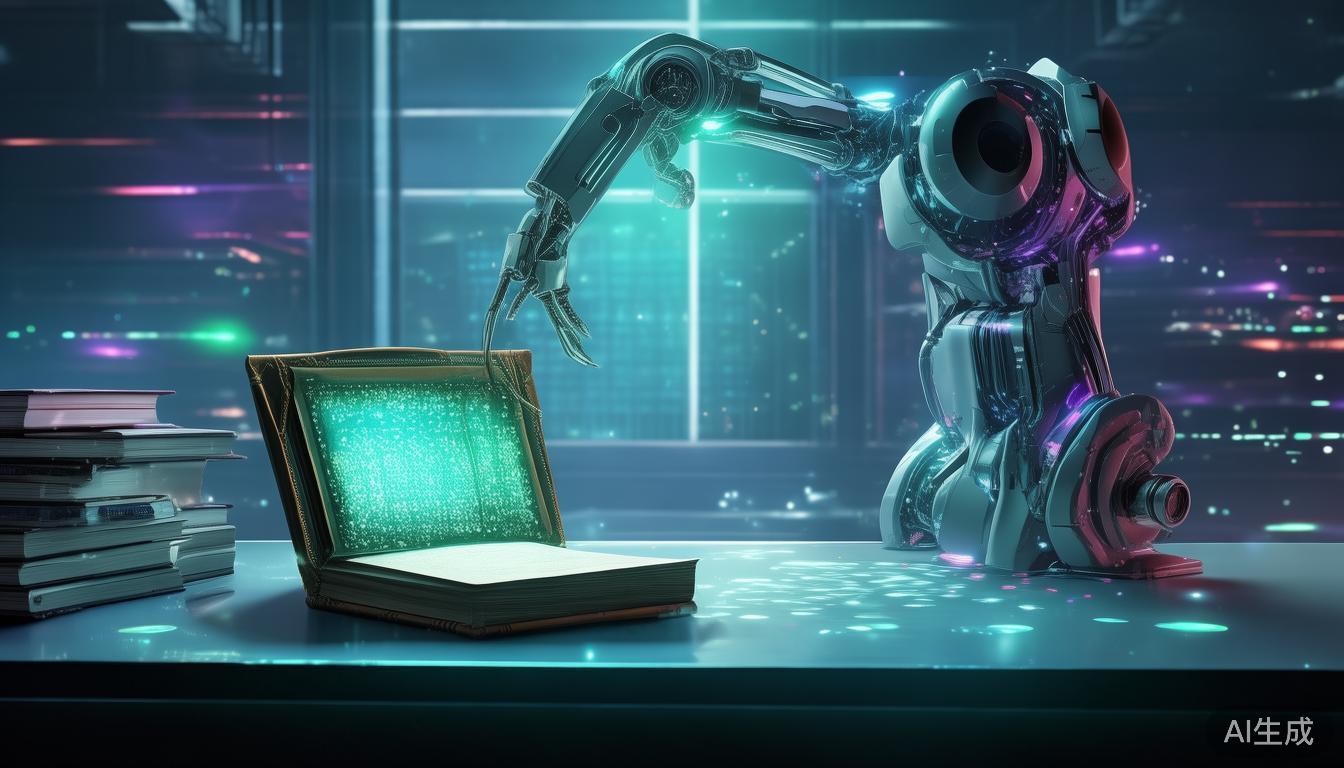
数字时代带来了前所未有的信息获取途径,但也给我们的文化遗产带来了隐秘的威胁。实体书籍,尤其是稀有和古籍,正面临日益严重的破坏风险——这并非由自然灾害或人为失误造成,而是由承诺保存知识的科技本身所导致。随着AI公司自动化销毁实体书籍,在为时已晚之前扫描和数字化这些瑰宝的紧迫性不容忽视。
AI的崛起与保存困境
AI公司正利用先进技术数字化大量实体资料。尽管这有可能使信息更加易得,但往往以牺牲原始文物为代价。扫描过程虽然高效,但在处理脆弱的稀有书籍时却可能具有破坏性。这些书籍通常已有数百年历史,是不可替代的,并蕴含着无价的历史和文化意义。
问题不仅在于失去物理副本,更在于失去其中蕴含的背景、工艺和每页的独特故事。扫描后的书籍只是代表,而非原件。纸张的触感、墨水的气味、页边空白处的批注——所有这些细微之处在数字化转换中都会消失。
为何古籍尤其脆弱
古籍对这一威胁特别敏感,原因有数:
- 脆弱性:这些书籍通常由陈年纸张和精巧装帧制成。扫描过程可能进一步加速其老化。
- 价值:古籍不仅是文化遗物,也是金融资产。一些在收藏市场上可值数千甚至数百万。AI公司可能认为其扫描后的形式比物理状态更有价值。
- 可访问性:虽然扫描使书籍更易获取,但也降低了其在物理世界的市场价值。收藏家和机构可能因能轻松获取数字版而减少保存意愿。
数字化与保存的伦理困境
伦理困境显而易见:数字化提供了便利和保存,但以牺牲原始文物为代价。这并非新辩论,但随着AI的出现,其紧迫性有所加剧。以下是相关伦理考量:
- 可访问性与真实性:数字版更易获取,但缺乏物理书籍的真实性。
- 保存与盈利:AI公司可能优先考虑盈利而非保存,尤其是当处理可在数字形式下销售的稀有书籍时。
- 文化遗产与科技:数字化竞赛可能掩盖保存文化遗产的重要性。
技术在保存中的作用
尽管存在风险,技术也可成为强大的保存工具。具体方法如下:
- 非破坏性扫描:先进扫描技术可最大限度减少对原书的损害。多光谱成像等技术可在不接触物理书籍的情况下捕捉详细信息。
- 数字存档:扫描后,书籍可存档于安全、恒温环境中,确保长期保存。
- 开放访问平台:如Internet Archive和GitHub等平台提供数字化书籍的开放访问,使研究人员和公众无需损害原件即可获取。
案例研究:Internet Archive
Internet Archive是技术用于保存的典范。由Brewster Kahle创立,该档案已数字化数百万本书籍,供公众免费使用。该档案采用先进扫描技术最大限度减少对原书的损害,并将其存放在恒温设施中。
以下是Internet Archive扫描过程的代码片段:
# 使用Internet Archive API扫描书籍的示例代码
import requests

def scan_book(isbn):
    url = f"https://archive.org/metadata/{isbn}"
    response = requests.get(url)
    if response.status_code == 200:
        return response.json()
    else:
        return None

# 示例用法
book_info = scan_book("1234567890")
if book_info:
    print(f"书籍标题:{book_info['title']}")
    print(f"作者:{book_info['author']}")
    print(f"扫描页数:{book_info['number_of_pages']}")
else:
    print("书籍未找到。")
古籍保存的未来
古籍保存的未来取决于我们能否平衡数字化益处与保护原始文物的需求。以下是关键考量:
- 法规与标准:政府和组织需建立稀有书籍扫描的法规和标准,确保过程尽可能非破坏性。
- 公私合作:公私部门合作有助于资助和实施更好的保存技术。
- 教育与意识提升:提高公众对保存古籍重要性的认识,鼓励更多人支持这些努力。
结语
AI公司破坏实体书籍的威胁真实且紧迫。尽管数字化带来诸多益处,但我们必须优先保存稀有书籍。通过负责任地利用技术并促进各方合作,我们可以确保这些文化瑰宝不会在数字时代失传。保存遗产的斗争不仅关乎书籍,更关乎它们所承载的故事、知识和历史。
The Silent Threat: Why We Must Scan Rare Books Before AI Companies Do
The digital age has brought with it unparalleled access to information, but it has also introduced a silent threat to our cultural heritage. Physical books, especially rare and historical ones, are increasingly at risk of destruction—not by natural disasters or human error, but by the very technology that promises to preserve knowledge. As AI companies automate the destruction of physical books, the urgency to scan and digitize these treasures before it's too late cannot be overstated.
The Rise of AI and the Dilemma of Preservation
AI companies are leveraging advanced technologies to digitize vast quantities of physical materials. While this has the potential to make information more accessible, it often comes at the cost of the original artifact. The scanning process, while efficient, can be destructive, especially when dealing with fragile, rare books. These books, often centuries old, are irreplaceable and hold invaluable historical and cultural significance.
The problem is not just about losing the physical copy; it's about losing the context, the craftsmanship, and the unique stories embedded in each page. A scanned book is a representation, not the original. The feel of the paper, the smell of the ink, the annotations in the margins—all these nuances are lost in the digital conversion.
Why Rare Books Are Especially Vulnerable
Rare books are particularly susceptible to this threat for several reasons:
- Fragility: These books are often made of aged paper and delicate bindings. The scanning process can further deteriorate them.
- Value: Rare books are not just cultural artifacts; they are also financial assets. Some can fetch thousands, even millions, in the collector's market. AI companies may see them as more valuable in their scanned form than in their physical state.
- Accessibility: While scanning makes books more accessible, it also reduces their market value in the physical world. Collectors and institutions may be less inclined to preserve them if they can easily access digital versions.
The Ethics of Digitization vs. Preservation
The ethical dilemma is clear: digitization offers convenience and preservation, but at the cost of the original artifact. This is not a new debate, but it has taken on new urgency with the advent of AI. Here’s a closer look at the ethical considerations:
- Accessibility vs. Authenticity: Digital versions are more accessible, but they lack the authenticity of the physical book.
- Preservation vs. Profit: AI companies may prioritize profit over preservation, especially when dealing with rare books that can be sold in their digital form.
- Cultural Heritage vs. Technology: The race to digitize risks overshadowing the importance of preserving cultural heritage.
The Role of Technology in Preservation
Despite the risks, technology can also be a powerful tool for preservation. Here’s how:
- Non-Destructive Scanning: Advanced scanning techniques can minimize damage to the original book. Techniques like multi-spectral imaging can capture detailed information without physical contact.
- Digital Archiving: Once scanned, books can be archived in secure, climate-controlled environments, ensuring their long-term preservation.
- Open Access Platforms: Platforms like the Internet Archive and GitHub offer open access to digitized books, making them available to researchers and the public without compromising the original artifact.
Case Study: The Internet Archive
The Internet Archive is a shining example of how technology can be used for preservation. Founded by Brewster Kahle, the Internet Archive has digitized millions of books, making them available to the public for free. The archive uses advanced scanning techniques to minimize damage to the original books and stores them in a climate-controlled facility.
Here’s a snippet of how the Internet Archive’s scanning process works:
# Example code for scanning a book using the Internet Archive's API
import requests

def scan_book(isbn):
    url = f"https://archive.org/metadata/{isbn}"
    response = requests.get(url)
    if response.status_code == 200:
        return response.json()
    else:
        return None

# Example usage
book_info = scan_book("1234567890")
if book_info:
    print(f"Book Title: {book_info['title']}")
    print(f"Author: {book_info['author']}")
    print(f"Scanned Pages: {book_info['number_of_pages']}")
else:
    print("Book not found.")
The Future of Rare Book Preservation
The future of rare book preservation hinges on our ability to balance the benefits of digitization with the need to protect the original artifacts. Here are some key considerations:
- Regulation and Standards: Governments and organizations need to establish regulations and standards for the scanning of rare books to ensure that the process is as non-destructive as possible.
- Public-Private Partnerships: Collaboration between the public and private sectors can help fund and implement better preservation techniques.
- Education and Awareness: Raising awareness about the importance of preserving rare books can encourage more people to support these efforts.
Takeaway
The threat of AI companies destroying physical books is real and urgent. While digitization offers numerous benefits, it is crucial that we prioritize the preservation of rare books. By leveraging technology responsibly and fostering collaboration between various stakeholders, we can ensure that these cultural treasures are not lost to the digital age. The fight to save our heritage is not just about books; it’s about preserving the stories, knowledge, and history that they hold.