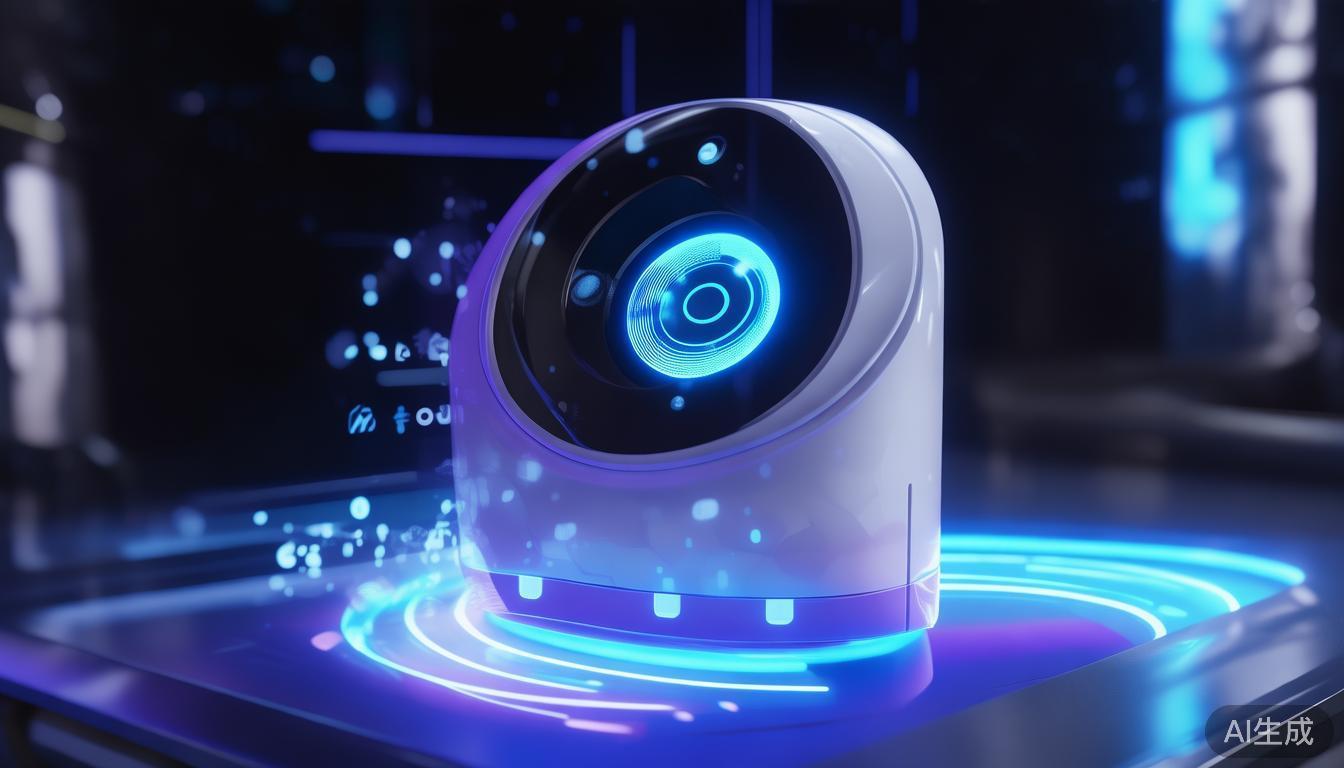
苹果智能家庭摄像头:打破常规?
科技界正流传着关于苹果最新进军智能家庭技术的传闻——据称这款摄像头将彻底打破行业常规,它不会录制视频。这一举措让爱好者和评论家们百思不得其解,不禁猜测苹果的意图何在。让我们深入细节,探讨这将对未来智能家庭安全意味着什么。
传统智能家庭摄像头
在探讨苹果的非传统方案之前,理解标准智能家庭摄像头的运作至关重要。这些设备旨在通过持续录制视频画面来提供安全感,通常具备将数据存储在云端或本地存储的能力。运动检测、夜视功能和双向音频等都是常见功能。用户可以通过手机应用查看实时画面或回放录像,确保不错过任何细节。
以下是智能家庭摄像头的典型工作流程:
1. **设置**:通过Wi-Fi将摄像头连接到家庭网络。
2. **配置**:下载配套应用并登录。
3. **监控**:在智能手机或电脑上查看实时画面。
4. **录制**:启用持续录制或运动触发录制。
5. **存储**:选择云端存储或本地SD卡。
这些摄像头越来越受欢迎,像Ring、Nest和Arlo等品牌引领着市场。它们提供安全感,让用户在离家时能时刻关注家庭、办公室或宠物。
传闻:苹果不录制视频的智能家庭摄像头
苹果的智能家庭摄像头据《TheApplePost》报道,不会录制视频。这显著偏离了行业标准。据传,这款摄像头将专注于其他形式的监控,如音频或环境传感器。
无视频的潜在功能
考虑到苹果的生态系统和设计理念,我们可以合理推测摄像头的替代能力:
-
音频监控:摄像头可能配备高级麦克风,用于检测异常声音,如玻璃破碎声、烟雾报警器,甚至特定词语或短语。这可作为一个警报系统,与其他智能家庭设备无缝集成。
-
环境传感器:苹果可能集成温度、湿度、空气质量甚至一氧化碳传感器。这些读数可触发警报或自动调整家庭系统,如恒温器或空气净化器。
-
运动和存在检测:虽然不录制视频,但摄像头仍可通过红外传感器检测运动或人的存在。这些数据可用于触发警报或激活其他智能家庭功能,如打开灯光或调整安全设置。
-
与Siri和HomeKit的集成:苹果的优势在于其生态系统。摄像头可与Siri和HomeKit深度集成,允许用户通过语音命令控制,或根据传感器数据设置复杂自动化。
为何没有视频?
排除视频录制决策可能源于以下因素:
-
隐私顾虑:苹果长期以来一直是用户隐私的倡导者。通过不录制视频,公司可以吸引那些对家庭内部持续监控持谨慎态度的用户。
-
法律和伦理考量:视频录制引发法律和伦理问题,特别是在数据存储、所有权和潜在滥用方面。通过避免视频,苹果可能避免了这些复杂性。
-
差异化:在竞争激烈的市场中,苹果可以凭借独特的销售主张脱颖而出。一款不录制视频的摄像头可定位为更“智能”或“智能”的设备,专注于数据分析而非简单录制。
智能家庭安全的未来
苹果传说的智能家庭摄像头可能预示着我们对家庭安全的思考方式将发生转变。未来设备可能不再依赖视觉数据,而是优先考虑其他形式的监控,提供更精细和情境感知的安全解决方案。
以下是几个潜在影响:
-
更智能的警报:通过结合音频、环境和运动数据,摄像头可提供更准确及时的警报。例如,它可能根据声音和行为模式区分宠物的运动和入侵者。
-
能源效率:环境传感器可帮助用户优化能源使用,降低成本和环境影响。想象一下,当房间无人时自动关闭灯光的摄像头。
-
健康监测:高级传感器可监测空气质量并检测潜在健康危害,为有老人或病患的家庭提供额外安全层。
-
可定制的安全配置文件:用户可根据特定需求创建配置文件,选择监控哪些类型的数据以及如何响应不同触发器。例如,有幼儿的家庭可能需要运动检测和音频监控,而家庭办公室可能优先考虑环境传感器。
意义所在
苹果不录制视频的传说智能家庭摄像头不仅是产品发布,更是对智能家庭技术未来的宣言。通过聚焦替代监控形式,苹果可能正引领着更智能、注重隐私和情境感知的安全解决方案的方向。
虽然最终产品可能与传闻不同,但可以肯定的是:苹果进入智能家庭摄像头市场将推动行业进化。无论是通过创新功能、与生态系统的无缝集成,还是重新关注隐私,苹果有潜力重新定义智能家庭安全的意义。
核心观点:苹果不录制视频的传说智能家庭摄像头可能标志着向更智能和注重隐私的家庭安全解决方案的转变,优先考虑数据分析而非传统监控。这一举措可能启发其他公司探索新的方法来提升家庭安全和效率。
Apple's Smart Home Camera: A Break from Tradition?
The tech world is abuzz with whispers about Apple's latest foray into smart home technology—a camera that, according to reports, takes a radical departure from the norm by not recording video. This move has left enthusiasts and critics alike scratching their heads, wondering what Apple's intentions could be. Let's dive into the details and explore what this could mean for the future of smart home security.
The Traditional Smart Home Camera
Before we delve into Apple's unconventional approach, it's essential to understand the standard smart home camera. These devices are designed to provide peace of mind by continuously recording video footage, often with the ability to store it in the cloud or on local storage. Features like motion detection, night vision, and two-way audio are commonplace. Users can access live feeds or review recorded videos through mobile apps, ensuring they never miss a moment.
Here's a typical workflow for a smart home camera:
1. **Setup**: Connect the camera to your home network via Wi-Fi.
2. **Configuration**: Download the companion app and log in.
3. **Monitoring**: View live feeds on your smartphone or computer.
4. **Recording**: Enable continuous or motion-activated recording.
5. **Storage**: Choose between cloud storage or local SD cards.
These cameras have become increasingly popular, with brands like Ring, Nest, and Arlo leading the market. They offer a sense of security, allowing users to keep an eye on their homes, offices, or pets while away.
The Rumor: Apple's Smart Home Camera Without Video Recording
Enter Apple's smart home camera, which, according to a report on TheApplePost, will not record video. This is a significant departure from the industry standard. Instead of capturing visual data, the camera is rumored to focus on other forms of monitoring, such as audio or environmental sensors.
Potential Features Without Video
Given Apple's ecosystem and design philosophy, it's reasonable to speculate about the camera's alternative capabilities:
-
Audio Monitoring: The camera could be equipped with advanced microphones to detect unusual sounds, such as breaking glass, smoke detectors, or even specific words or phrases. This could serve as an alert system, integrating seamlessly with other smart home devices.
-
Environmental Sensors: Apple could incorporate sensors for temperature, humidity, air quality, or even carbon monoxide. These readings could trigger alerts or automatically adjust home systems, such as thermostats or air purifiers.
-
Motion and Presence Detection: While not recording video, the camera could still detect motion or the presence of people using infrared sensors. This data could be used to trigger alerts or activate other smart home features, like turning on lights or adjusting security settings.
-
Integration with Siri and HomeKit: Apple's strength lies in its ecosystem. The camera could provide deeper integration with Siri and HomeKit, allowing users to control it using voice commands or set complex automations based on its sensor data.
Why No Video?
The decision to exclude video recording could stem from several factors:
-
Privacy Concerns: Apple has long been a champion of user privacy. By not recording video, the company could appeal to users who are wary of constant surveillance, even in their own homes.
-
Legal and Ethical Considerations: Video recording raises legal and ethical questions, particularly regarding data storage, ownership, and potential misuse. By avoiding video, Apple might be avoiding these complexities.
-
Differentiation: In a crowded market, Apple could use a unique selling proposition (USP) to stand out. A camera that doesn't record video could be positioned as a more "smart" or "intelligent" device, focusing on data analysis rather than mere recording.
The Future of Smart Home Security
Apple's rumored smart home camera could signal a shift in how we think about home security. Instead of relying on visual data, future devices might prioritize other forms of monitoring, offering more nuanced and context-aware security solutions.
Here are a few potential implications:
-
More Intelligent Alerts: By combining audio, environmental, and motion data, the camera could provide more accurate and timely alerts. For example, it might distinguish between a pet's movement and an intruder based on sound and behavior patterns.
-
Energy Efficiency: Environmental sensors could help users optimize their energy usage, reducing costs and environmental impact. Imagine a camera that detects when a room is unoccupied and automatically turns off the lights.
-
Health Monitoring: Advanced sensors could monitor air quality and detect potential health hazards, providing an extra layer of safety for households with elderly or ill individuals.
-
Customizable Security Profiles: Users could create profiles based on their specific needs, choosing which types of data to monitor and how to respond to different triggers. For example, a family with young children might want motion detection and audio monitoring, while a home office might prioritize environmental sensors.
What This Means
Apple's rumored smart home camera without video recording is more than just a product announcement; it's a statement about the future of smart home technology. By focusing on alternative forms of monitoring, Apple could be leading the way toward more intelligent, privacy-conscious, and context-aware security solutions.
While the final product may differ from the rumors, one thing is certain: Apple's entry into the smart home camera market will push the industry to evolve. Whether it's through innovative features, seamless integration with its ecosystem, or a renewed focus on privacy, Apple has the potential to redefine what smart home security means.
Takeaway: Apple's rumored smart home camera without video recording could signify a shift toward more intelligent and privacy-focused home security solutions, prioritizing data analysis over traditional surveillance. This move could inspire other companies to explore new ways to enhance home safety and efficiency.