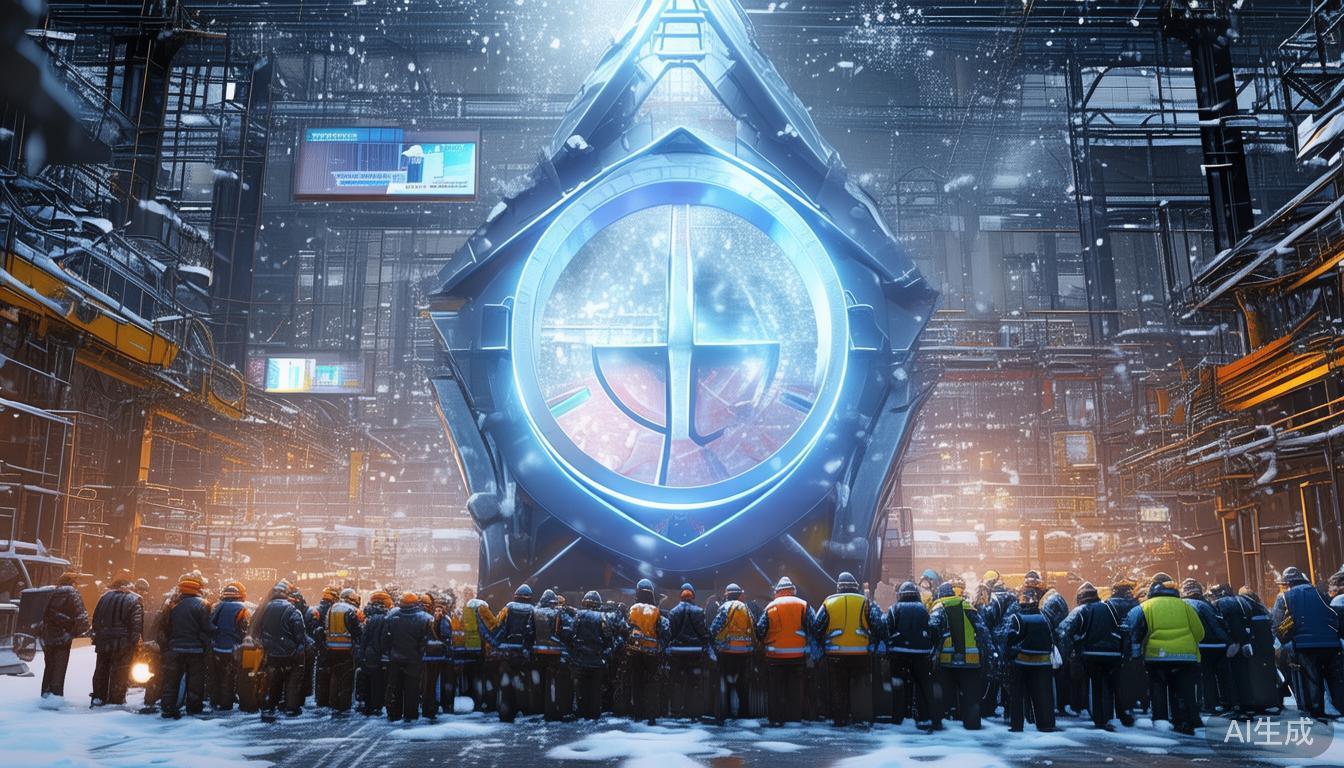
暴雪员工达成历史性工会合同:游戏开发者的重要里程碑
近期,游戏行业发生了一场重大转变,这场转变并非发生在艾泽拉斯的虚拟战场或赛博朋克霓虹闪烁的街道上,而是在创造奇迹的董事会和开发工作室中。暴雪娱乐——这家拥有史上最经典游戏系列的公司的员工成功工会化,签署了一份可能重新定义行业劳动标准的具有历史意义的合同。这一举措不仅是对暴雪员工的胜利,更是全球游戏开发者的潜在转折点。
背景:为何是现在?
多年来,游戏行业一直是最后一个主要抵制工会化努力的领域。科技和游戏中的"兄弟文化"氛围,加上游戏开发高压、高风险的环境,往往让集体谈判看起来不必要甚至具有反作用。然而,潮流正在转变。
暴雪工会化运动恰逢游戏行业面临对工作条件、心理健康和公平薪酬日益严格的审查之时。疫情加速了远程工作的兴起,也模糊了工作与生活的界限,导致开发者出现倦怠和疲惫。这些因素为工会化运动创造了沃土,暴雪的员工抓住了这个机会。
合同:意味着什么?
暴雪员工签署的历史性工会合同确立了多项关键先例,可能对整个游戏行业产生深远影响。以下是其中最重大的方面:
公平薪酬与福利
新合同的核心支柱是保证公平薪酬和全面福利,包括:
- 生活工资:确保开发者的薪水反映其所在地区的物价水平。
- 医疗保险:全面的医疗、牙科和视力保险。
- 退休计划:具有公司匹配的强大401(k)计划。
- 带薪休假:充足的休假和病假政策。
这些条款不仅有利于暴雪的员工,还为其他游戏开发工作室树立了标杆。通过确保开发者得到公平的报酬,公司可以吸引和留住顶尖人才,从而提升整体游戏开发质量。
工作与生活平衡
合同另一个关键方面是强调工作与生活平衡,包括:
- 最高工作时长:限制开发者每周预期的工作小时数。
- 反骚扰政策:严格的政策确保安全、互相尊重的工作场所。
- 心理健康支持:为心理健康问题提供资源和支持。
这些措施旨在预防倦怠,创造更健康的工作环境。游戏行业以其长时间工作和高压著称,但新合同旨在通过促进更平衡的工作方式来缓解这些问题。
集体谈判权
合同最重大的方面是包含集体谈判权。这意味着工会可以代表开发者与暴雪管理层就一系列问题进行谈判,包括:
- 项目范围:确保项目可管理,避免过度加班。
- 项目截止日期:协商现实的截止日期,不牺牲游戏质量。
- 工作场所条件:解决与开发者身心健康相关的问题。
集体谈判权赋予工会一个强大的工具来维护开发者的利益,确保他们的声音被听到,需求得到满足。
影响:超越暴雪
暴雪工会化运动的成功有可能激励游戏行业其他类似的运动。原因如下:
设立先例
暴雪的工会合同为其他游戏开发工作室树立了不可忽视的先例。如果像暴雪这样有影响力和成功的公司都能成功工会化,就为其他人打开了跟随的大门。这可能导致行业范围内的一波工会化运动,最终为所有开发者带来更好的工作条件和更公平的待遇。
提升行业标准
随着更多工作室采用类似的合同,行业的整体标准可能会提高。这可能带来:
- 更高品质的游戏:未过度劳累且得到公平报酬的开发者更有可能制作出高质量的游戏。
- 更好的员工士气:积极的工作环境可以带来更高的工作满意度和生产力。
- 更多元化和包容性的工作场所:工会通常倡导促进多元化和包容性的政策,从而带来更具代表性和公平的行业。
解决行业问题
近年来,游戏行业面临了许多挑战,包括与心理健康、倦怠和公平薪酬相关的问题。暴雪的新合同直面这些问题,为其他工作室树立了典范。这可能导致一个更可持续、更健康的行业长期发展。
代码示例:工会谈判的实例
为了说明工会谈判的重要性,让我们考虑一个假设的例子。假设一个游戏开发工作室正在为一个有严格截止日期的新项目工作。如果没有工会,开发者可能会被迫过度加班,导致倦怠和游戏质量下降。
有了工会,开发者可以协商更现实的截止日期,并确保他们拥有完成项目所需的资源,同时不牺牲自己的健康。以下是一个简单的例子,说明这如何体现在合同中:
### 项目管理

- **最大项目时长**:任何项目的总时长不得超过12个月,未经工会批准不得延长。
- **加班限制**:开发者每周加班时间不得超过10小时。
- **资源分配**:公司应提供充足资源(例如,人员配备、预算),确保项目按时完成且不牺牲游戏质量。
这个例子展示了工会如何保护开发者的利益,同时确保项目成功。
总结:这意味着什么
暴雪员工签署的工会合同是游戏行业的里程碑时刻。它为劳动实践设定了新标准,确保为开发者提供公平薪酬、工作与生活平衡和集体谈判权。这一举措可能激励行业其他类似的努力,从而改善工作条件和整体游戏开发。
对于开发者来说,这是一场可能带来更可持续、更健康行业的胜利。对于玩家来说,这意味着有潜力获得更高品质的游戏和更多元化、更包容的游戏环境。暴雪工会化运动的成功表明变革是可能的,工人的声音可以对整个行业产生重大影响。
Blizzard Workers Win Historic Union Contract: A Landmark Moment for Game Developers
The gaming industry has witnessed a significant shift in recent weeks, not on the virtual battlegrounds of Azeroth or the neon-drenched streets of Cyberpunk, but in the boardrooms and development studios where the magic happens. The workers at Blizzard Entertainment, a company synonymous with some of the most iconic game franchises in history, have successfully unionized, signing a historic contract that could redefine labor standards across the industry. This move is more than just a victory for Blizzard's employees; it's a potential turning point for game developers everywhere.
The Background: Why Now?
For years, the gaming industry has been one of the last major sectors to resist unionization efforts. The culture of the "bro culture" in tech and gaming, coupled with the high-pressure, high-stakes environment of game development, has often made collective bargaining seem like an unnecessary or even counterproductive endeavor. However, the tide is turning.
The push for unionization at Blizzard comes at a time when the industry is facing increasing scrutiny over work conditions, mental health, and fair compensation. The rise of remote work, accelerated by the pandemic, has also blurred the lines between work and life, leading to burnout and exhaustion among developers. These factors have created a fertile ground for unionization efforts, and Blizzard's employees have seized the opportunity.
The Contract: What Does It Mean?
The historic union contract signed by Blizzard workers sets a number of key precedents that could have far-reaching implications for the entire gaming industry. Here are some of the most significant aspects:
Fair Compensation and Benefits
One of the core pillars of the new contract is the guarantee of fair compensation and comprehensive benefits. This includes:
- Living wages: Ensuring that developers are paid a salary that reflects the cost of living in their area.
- Healthcare: Comprehensive medical, dental, and vision insurance.
- Retirement plans: Robust 401(k) plans with company matching.
- Paid time off: Generous vacation and sick leave policies.
These provisions are not just beneficial for Blizzard's employees; they set a benchmark for other game development studios to follow. By ensuring that developers are fairly compensated, companies can attract and retain top talent, leading to better game development overall.
Work-Life Balance
Another critical aspect of the contract is the emphasis on work-life balance. This includes:
- Maximum work hours: Capping the number of hours developers are expected to work per week.
- Anti-harassment policies: Strict policies to ensure a safe and respectful workplace.
- Mental health support: Providing resources and support for mental health issues.
These measures are designed to prevent burnout and create a healthier work environment. The gaming industry is known for its long hours and high stress, but the new contract aims to mitigate these issues by promoting a more balanced approach to work.
Collective Bargaining Rights
Perhaps the most significant aspect of the contract is the inclusion of collective bargaining rights. This means that the union can negotiate on behalf of the developers with Blizzard management on a wide range of issues, including:
- Project Scope: Ensuring that projects are manageable and do not lead to excessive overtime.
- Project Deadlines: Negotiating realistic deadlines that do not compromise the quality of the game.
- Workplace Conditions: Addressing any issues related to the physical and mental well-being of the developers.
Collective bargaining rights give the union a powerful tool to advocate for the interests of the developers, ensuring that their voices are heard and their needs are met.
The Impact: Beyond Blizzard
The success of the unionization effort at Blizzard has the potential to inspire similar movements across the gaming industry. Here's why:
Setting a Precedent
Blizzard's union contract sets a precedent that other game development studios cannot ignore. If a company as influential and successful as Blizzard can successfully unionize, it opens the door for others to follow suit. This could lead to a wave of unionization efforts across the industry, ultimately resulting in better working conditions and fairer treatment for developers everywhere.
Improved Industry Standards
As more studios adopt similar contracts, the overall standards of the industry are likely to improve. This could lead to:
- Higher quality games: Developers who are not overworked and are fairly compensated are more likely to produce high-quality games.
- Better employee morale: A positive work environment can lead to increased job satisfaction and productivity.
- More diverse and inclusive workplaces: Unions often advocate for policies that promote diversity and inclusion, leading to a more representative and equitable industry.
Addressing Industry Issues
The gaming industry has faced a number of challenges in recent years, including issues related to mental health, burnout, and fair compensation. The new contract at Blizzard addresses many of these issues head-on, setting a framework for other studios to follow. This could lead to a more sustainable and healthy industry in the long term.
Code Snippet: An Example of Union Negotiations
To illustrate the importance of union negotiations, let's consider a hypothetical example. Suppose a game development studio is working on a new project with a tight deadline. Without a union, the developers might be pressured to work excessive overtime, leading to burnout and a decline in the quality of the game.
With a union, the developers can negotiate a more realistic deadline and ensure that they have the resources they need to complete the project without compromising their well-being. Here's a simple example of how this might be represented in a contract:
### Project Management

- **Maximum Project Duration**: The total duration of any project shall not exceed 12 months without the approval of the union.
- **Overtime Limits**: Developers shall not be required to work more than 10 hours of overtime per week.
- **Resource Allocation**: The company shall provide adequate resources (e.g., staffing, budget) to ensure that projects are completed on time and without compromising the quality of the game.
This example demonstrates how a union can protect the interests of the developers while also ensuring that the project is successful.
Takeaway: What This Means
The union contract signed by Blizzard workers is a landmark moment for the gaming industry. It sets a new standard for labor practices, ensuring fair compensation, work-life balance, and collective bargaining rights for developers. This move could inspire similar efforts across the industry, leading to improved working conditions and better game development overall.
For developers, this is a victory that could lead to a more sustainable and healthy industry. For players, it means the potential for higher quality games and a more diverse and inclusive gaming landscape. The success of Blizzard's unionization effort shows that change is possible, and that the voices of workers can make a significant impact on the industry as a whole.