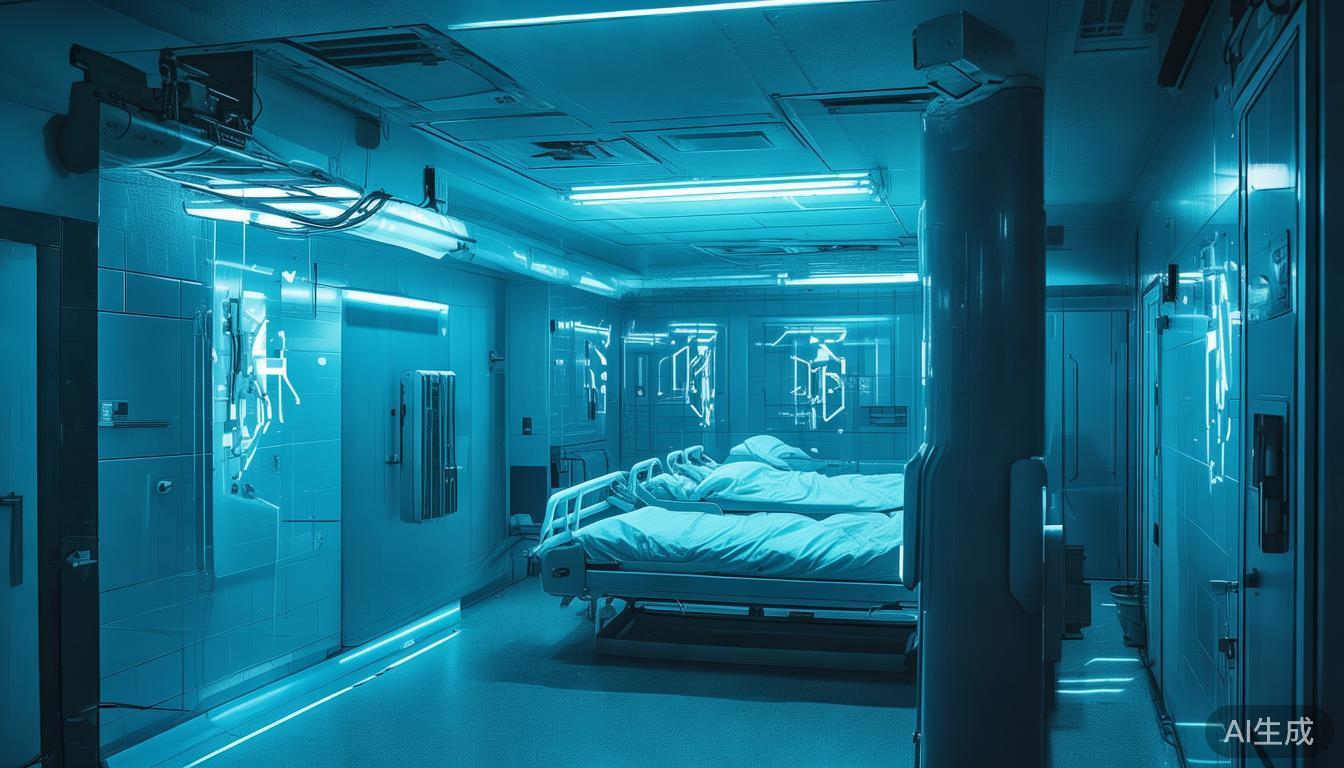
医疗领域人工智能与监控的隐性成本:凯撒护士的视角
医疗行业早已不陌生于技术创新。从电子病历(EHR)到远程医疗,技术进步承诺将改善患者护理、简化工作流程并提高效率。然而,与任何变革性技术一样,也存在非预期的后果。近期凯撒医疗集团护士的报告揭示了一个日益增长的担忧:人工智能(AI)和工作场所监控工具的整合不仅未能兑现其承诺,反而正在破坏患者护理和工作满意度。
人工智能在医疗领域的承诺与现实
人工智能长期以来被视为医疗领域的变革者。开发者和医院都憧憬着这样一个未来:AI驱动的诊断工具能够更早地发现疾病,机器人助手能够处理常规任务,预测分析能够在并发症发生前进行预防。例如,AI算法在某些情况下分析医学影像的准确性堪比人类专家。同样,预测模型可以识别有医院再入院风险的患者,从而及时进行干预。
然而,现实情况远比这复杂。凯撒护士的投诉表明,虽然人工智能在理论上可能带来益处,但在临床环境中的实施却充满挑战。一个主要问题是AI系统决策过程的透明度不足。这些算法通常是专有的,这意味着医疗服务提供者对其内部运作了解有限。这种"黑箱"问题可能导致依赖这些工具做出关键决策的临床医生产生不信任感。
# 一个简化的AI诊断模型示例
def ai_diagnostic(symptoms):
    """
    一个虚构的AI模型,根据症状预测患者状况。
    注意:这是一个为说明目的而高度简化的示例。
    """
    if "fever" in symptoms and "cough" in symptoms:
        return "Influenza"
    elif "shortness_of_breath" in symptoms:
        return "Pneumonia"
    else:
        return "Unknown Condition"
上述代码片段展示了AI诊断模型的简单性。在实践中,这些模型远比这复杂,但可能仍然缺乏经验丰富的护士在患者评估中带来的细致理解。当AI提出的诊断与临床医生的评估相矛盾时,就会产生摩擦并延误治疗。
监控工具:双刃剑
工作场所监控工具是另一个引发关注的领域。这些系统旨在监控员工表现、确保遵守规程并提高效率。然而,当过度使用时,它们会营造不信任的文化,并扼杀医疗保健所必需的人性连接。
凯撒护士报告称,监控工具会追踪他们与患者相处的时间以及他们在医院行走的步数。虽然支持者认为这些数据有助于识别低效环节,但护士们认为这是一种侵入性措施,会让他们不敢花额外时间陪伴最需要帮助的患者。这在人员短缺和患者量已高的系统中尤其成问题。
对患者护理的影响
这些监控工具的间接后果令人担忧。当护士感到持续被监控时,他们可能不太愿意报告问题或在需要时寻求帮助。这可能导致职业倦怠、工作满意度降低,最终导致患者结果更差。例如,担心因花太多时间照顾病情更重的患者而受到批评的护士可能会跳过关键评估或在其他方面敷衍了事。
此外,对可量化指标的关注可能会忽视护理的定性方面。医疗保健不仅仅是治疗症状;它关乎建立关系、提供情感支持和理解每个患者的独特需求。优先考虑效率而非同理心的监控工具与富有同情心的护理价值观根本相悖。
医疗保健中的人性因素
从根本上说,医疗保健是一项人类事业。患者与医疗服务提供者之间的关系建立在信任、同理心和相互尊重之上。当人工智能和监控工具在不经深思熟虑的情况下使用时,会侵蚀这些基础。虽然技术可以增强人类能力,但它无法取代只有人类临床医生才能提供的直觉、经验和同情心。
凯撒护士的担忧突显了医疗保健行业的一个更广泛的问题:对技术创新的追求往往以牺牲人性因素为代价。医院和医疗保健系统必须在利用技术改善护理和确保这些工具满足患者和临床医生需求之间取得平衡。
这意味着什么
凯撒护士的经历为整个医疗保健行业提供了一个警示故事。虽然人工智能和监控工具有可能改善患者护理,但它们的实施必须以伦理考量和对临床环境的深刻理解为指导。AI决策的透明度、对临床医生自主权的尊重以及对以人为本的护理的关注至关重要。
摘要
技术应该增强而非削弱医疗保健的人性方面。随着行业的不断发展,它必须优先考虑患者和临床医生的健康福祉。只有这样,我们才能真正发挥人工智能的变革潜力,同时保留使医疗保健如此重要的本质。
The Hidden Costs of AI and Surveillance in Healthcare: A Kaiser Nurse's Perspective
The healthcare industry is no stranger to technological innovation. From electronic health records (EHRs) to telemedicine, advancements have promised to improve patient care, streamline workflows, and enhance efficiency. However, as with any transformative technology, there are unintended consequences. Recent reports from Kaiser Permanente nurses highlight a growing concern: the integration of artificial intelligence (AI) and workplace surveillance tools is not only failing to deliver on its promises but is actively undermining patient care and job satisfaction.
The Promise and Reality of AI in Healthcare
AI has long been touted as a game-changer in healthcare. Developers and hospitals alike envision a future where AI-powered diagnostic tools can detect diseases earlier, robotic assistants can handle routine tasks, and predictive analytics can prevent complications before they occur. For instance, AI algorithms have shown promise in analyzing medical images with accuracy rivaling human experts in certain cases. Similarly, predictive models can identify patients at risk of hospital readmission, allowing for timely interventions.
However, the reality on the ground is far more complex. The Kaiser nurses' complaints suggest that while AI may offer benefits in theory, its implementation in clinical settings is fraught with challenges. One major issue is the lack of transparency in how AI systems make decisions. These algorithms are often proprietary, meaning healthcare providers have limited insight into their inner workings. This "black box" problem can lead to mistrust among clinicians who rely on these tools to make critical decisions.
# Example of a simplified AI diagnostic model
def ai_diagnostic(symptoms):
    """
    A fictional AI model that predicts patient conditions based on symptoms.
    Note: This is a highly simplified example for illustrative purposes.
    """
    if "fever" in symptoms and "cough" in symptoms:
        return "Influenza"
    elif "shortness_of_breath" in symptoms:
        return "Pneumonia"
    else:
        return "Unknown Condition"
The above code snippet demonstrates the simplicity of an AI diagnostic model. In practice, these models are far more complex but may still lack the nuanced understanding that a seasoned nurse brings to patient assessment. When an AI suggests a diagnosis that contradicts a clinician's assessment, it can create friction and delay treatment.
Surveillance Tools: A Double-Edged Sword
Workplace surveillance tools are another area of concern. These systems are designed to monitor employee performance, ensure compliance with protocols, and improve efficiency. However, when overused, they can create a culture of distrust and stifle the very human connection that is essential to healthcare.
Kaiser nurses report that surveillance tools track everything from the time they spend with patients to the steps they take in the hospital. While proponents argue that this data can help identify inefficiencies, the nurses see it as an intrusive measure that discourages them from spending extra time with patients who need it most. This is particularly problematic in a system already strained by staff shortages and high patient volumes.
The Impact on Patient Care
The indirect consequences of these surveillance tools are alarming. When nurses feel constantly monitored, they may be less likely to report issues or seek help when needed. This can lead to burnout, reduced job satisfaction, and, ultimately, poorer patient outcomes. For example, a nurse who is worried about being reprimanded for spending too much time with a sicker patient may skip crucial assessments or cut corners in other areas.
Moreover, the focus on quantifiable metrics can overshadow the qualitative aspects of care. Healthcare is not just about treating symptoms; it's about building relationships, providing emotional support, and understanding each patient's unique needs. Surveillance tools that prioritize efficiency over empathy are fundamentally at odds with the values of compassionate care.
The Human Element in Healthcare
At its core, healthcare is a human endeavor. The relationship between a patient and their healthcare provider is built on trust, empathy, and mutual respect. AI and surveillance tools, when used without careful consideration, can erode these foundations. While technology can augment human capabilities, it cannot replace the intuition, experience, and compassion that only a human clinician can offer.
The Kaiser nurses' concerns highlight a broader issue in the healthcare industry: the push for technological innovation often comes at the expense of the human element. Hospitals and healthcare systems must strike a balance between leveraging technology to improve care and ensuring that these tools serve the needs of both patients and clinicians.
What This Means
The experiences of Kaiser nurses serve as a cautionary tale for the broader healthcare industry. While AI and surveillance tools have the potential to enhance patient care, their implementation must be guided by ethical considerations and a deep understanding of the clinical environment. Transparency in AI decision-making, respect for clinician autonomy, and a focus on human-centric care are essential.
Takeaway
Technology should augment, not undermine, the human aspects of healthcare. As the industry continues to evolve, it must prioritize the well-being of both patients and clinicians. Only then can we truly harness the transformative potential of AI while preserving the essence of what makes healthcare so vital.