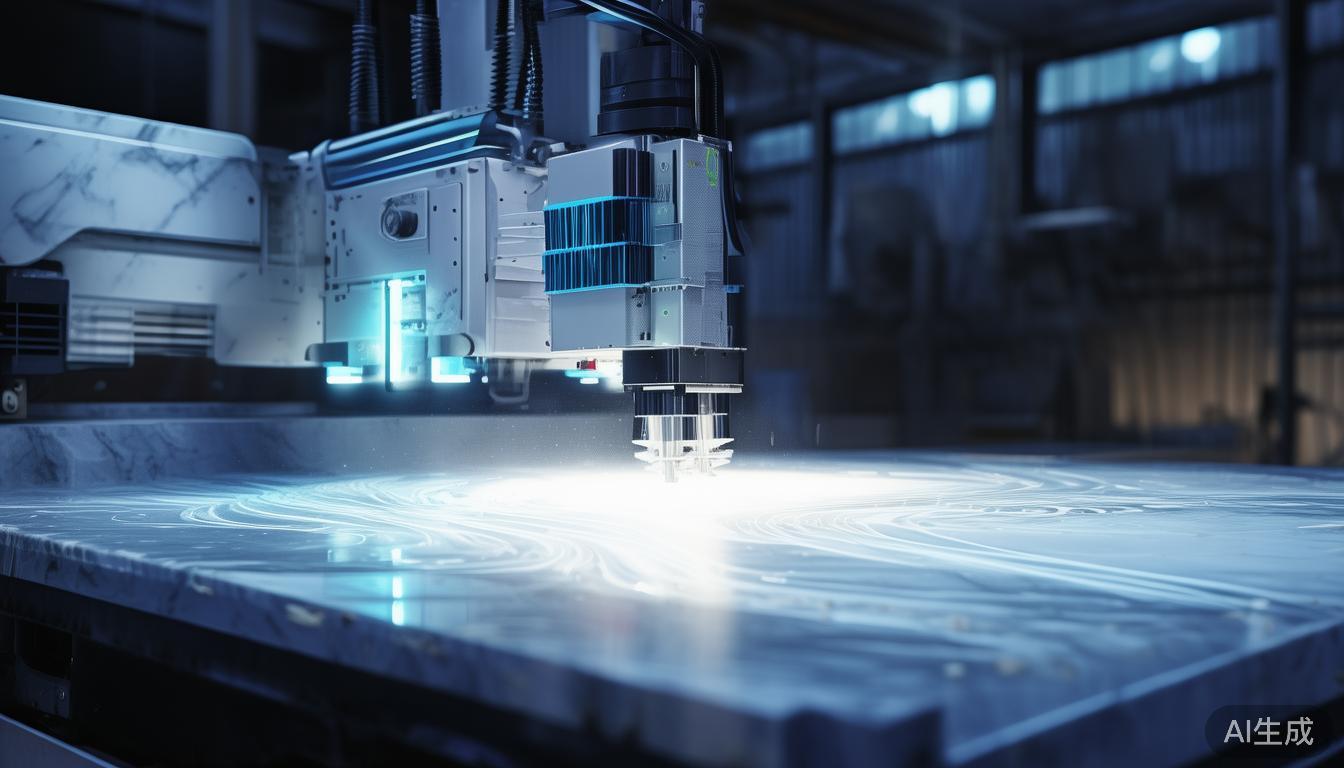
科技与艺术的交汇:探索CNC石雕
艺术的世界长期以来与创作工具紧密相连。从米开朗基罗的凿刀到现代数字艺术家的数字画笔,媒介塑造艺术,艺术也塑造媒介。近年来,传统工艺与尖端科技的迷人融合应运而生:CNC石雕。这一过程利用计算机数控(CNC)机械对石材进行精确切割,连接了古老的艺术与现代的创新。但CNC石雕究竟是什么,又为何在艺术家和技术人员中日益受到关注呢?
CNC技术的原理
CNC技术的核心是使用预先编程的计算机软件来控制自动化机床。CNC全称为Computer Numerical Control(计算机数控),它是一种自动化控制机床的系统。软件向机床发送精确指令,机床随后执行这些指令以创建物理对象。这项技术已经彻底改变了从航空航天到汽车等众多行业,但在艺术领域的应用,尤其是在石雕方面,相对较新。
CNC石雕的工作原理
CNC石雕始于数字设计。艺术家使用计算机辅助设计(CAD)软件创建他们想要雕刻的详细模型。这些设计可以涵盖从简单的几何形状到复杂的逼真人物。设计确定后,将其转换为CNC机器可以理解的格式——通常是G代码,这是一种指定机器切割工具移动的指令语言。
CNC机器本身由一个电动切割工具、一个固定石头的框架以及一个将G代码转换为物理移动的系统组成。切割工具(可以是路由器、钻头或激光器)沿着多个轴(通常是X、Y和Z轴)移动,根据设计对石头进行雕刻。这些移动的精确性使得能够雕刻出手工难以实现或耗时极长的极其精细复杂的作品。
CNC石雕的优势
精确性与一致性
CNC石雕最显著的优势之一是能够生产出高度精确且一致的结果。无论多么熟练的人手都容易出错和不一致。然而,CNC机器可以每次都以相同的精度执行相同的移动。这种一致性对于需要多个相同部件的项目尤为宝贵,例如建筑构件或雕塑系列。
效率与速度
CNC机器比人手工作速度快得多。人类雕塑家可能需要数周或数月才能完成一件复杂的作品,而CNC机器通常能在更短的时间内完成同样的工作。这种效率不仅意味着更快的生产速度,还意味着艺术家可以更快地迭代他们的设计,在更短的时间内尝试不同的版本并完善作品。
可及性
传统上,石雕是一门需要多年训练和专用工具的手工艺。然而,CNC石雕降低了进入门槛。凭借合适的软件和机械,那些可能没有体力或手工技巧来手工雕刻石头的人现在也能将他们的设计变为现实。这种工艺的民主化推动了该领域的新创意和创新浪潮。
艺术影响
将CNC技术引入石雕引发了一些关于艺术和手工艺本质的有趣问题。支持者认为,CNC雕刻不会降低作品的艺术家价值;相反,它通过允许艺术家以以前不可能的方式实现他们的愿景来增强其价值。能够创造出手工执行起来令人筋疲力尽或不可能的复杂精细设计,为艺术表达开辟了新的可能性。
另一方面,批评者担心CNC雕刻会贬低传统手工艺的价值。他们认为,当这个过程脱离了人的触摸时——即脱离了通过动手工作所获得的身体感、直觉和情感联系——就会失去一些本质的东西。虽然这些担忧是合理的,但CNC雕刻也可以被视为一种新的手工艺,它需要一套不同的技能:CAD软件的熟练使用、CNC机械的理解能力,以及将艺术概念转化为精确数字指令的能力。
CNC石雕的实际应用案例
为了说明CNC石雕的能力,让我们看看几个例子:
建筑构件
CNC技术已广泛应用于建筑领域,用于创建复杂的石材立面、窗框和装饰构件。CNC机器的精确性确保这些构件完美契合,创造出无缝且美观的结构。例如,历史建筑可以使用与原始材料完全匹配的CNC切割石材进行修复,既保留了建筑的整体性,又节省了时间和资源。
雕塑艺术
许多当代艺术家正使用CNC石雕创作令人惊叹的雕塑,这些雕塑拓展了该媒介的可能性边界。这些艺术家通常将传统雕塑技术与数字设计相结合,创作出既永恒又前沿的作品。例如,一位雕塑家可能使用CAD软件设计一个复杂的抽象形式,然后使用CNC机器将其从一块大理石或花岗岩中雕刻出来。
宏伟的公共装置
CNC石雕也被用于大型公共装置。这些项目需要极高的精确度和处理大型石块的能力。CNC机器可以轻松应对这些挑战,创造出手工难以实现的宏伟雕塑。结果往往是令人敬畏的作品,可供公众欣赏,并成为城市空间中的焦点。
CNC石雕的未来
随着技术的不断发展,CNC石雕的能力也将随之提升。以下是几个值得关注的趋势和发展:
与人工智能的集成
人工智能(AI)越来越多地被用于辅助设计过程。AI算法可以分析现有艺术品并提出改进建议,或根据特定参数生成新设计。这种集成可能导致未来出现更具创新性和复杂性的石雕作品。
先进材料
CNC机器不仅限于雕刻石材,还可以处理木材、金属和复合材料等多种材料。随着新材料的开发,CNC石雕可能会扩展到这些材料,为艺术家提供更多创意表达的可能性。
可持续实践
可持续性是所有行业日益关注的问题,石雕也不例外。CNC技术可以通过优化材料使用、减少浪费和降低完成项目所需的能源来促进更可持续的实践。随着行业的不断发展,我们可以期待看到更多环保的石雕方法。
总结
CNC石雕代表了技术与艺术创作的迷人交汇点。它为艺术家提供了前所未有的精确度、效率和复杂设计访问能力,同时也引发了关于手工艺和创造本质的重要问题。随着技术的不断发展,它可能会解锁更多艺术表达的可能性,改变我们如何看待石雕及其在更广泛的艺术世界中的地位。无论你是艺术家、建筑师,还是仅仅对技术与创造力的交汇点感兴趣的人,CNC石雕都是一个值得探索的领域。
The Intersection of Technology and Art: Exploring CNC Stone Carving
The world of art has long been intertwined with the tools available to create it. From the chisels of Michelangelo to the digital brushes of modern digital artists, the medium shapes the art, and the art shapes the medium. In recent years, a fascinating fusion of traditional craftsmanship and cutting-edge technology has emerged: CNC stone carving. This process, which leverages computer numerical control (CNC) machinery to precision-cut stone, bridges the gap between ancient artistry and modern innovation. But what exactly is CNC stone carving, and why is it gaining traction among artists and technicians alike?
The Basics of CNC Technology
At its core, CNC technology involves using pre-programmed computer software to control automated machine tools. The term "CNC" stands for Computer Numerical Control, and it's a system that automates the control of machine tools. The software sends precise instructions to the machine, which then carries out these instructions to create a physical object. This technology has revolutionized industries ranging from aerospace to automotive, but its application in art, particularly in stone carving, is relatively new.
How CNC Stone Carving Works
CNC stone carving begins with a digital design. Artists use computer-aided design (CAD) software to create detailed models of what they want to carve. These designs can range from simple geometric shapes to intricate, lifelike figures. Once the design is finalized, it's converted into a format that the CNC machine can understand—typically G-code, a language that specifies the movements of the machine's cutting tool.
The CNC machine itself consists of a motorized cutting tool, a frame that holds the stone, and a system that translates the G-code into physical movements. The cutting tool, which can be a router, a drill, or a laser, moves along multiple axes (typically X, Y, and Z) to sculpt the stone according to the design. The precision of these movements allows for incredibly detailed and complex carvings that would be impossible or incredibly time-consuming to achieve by hand.
The Advantages of CNC Stone Carving
Precision and Consistency
One of the most significant advantages of CNC stone carving is its ability to produce highly precise and consistent results. Human hands, no matter how skilled, are prone to errors and inconsistencies. CNC machines, however, can execute the same movements with the same level of precision every single time. This consistency is particularly valuable in projects that require multiple identical pieces, such as architectural elements or series of sculptures.
Efficiency and Speed
CNC machines can work much faster than humans. While a human sculptor might take weeks or months to complete a complex piece, a CNC machine can often finish the same job in a fraction of the time. This efficiency doesn't just mean faster production; it also means that artists can iterate on their designs more quickly, experimenting with different versions and refining their work in a shorter period.
Accessibility
Traditionally, stone carving has been a craft that requires years of training and specialized tools. CNC stone carving, however, lowers the barrier to entry. With the right software and machinery, artists who might not have the physical strength or manual dexterity to carve stone by hand can now bring their designs to life. This democratization of the craft has led to a wave of new creativity and innovation in the field.
The Artistic Implications
The introduction of CNC technology into stone carving raises some interesting questions about the nature of art and craftsmanship. Proponents argue that CNC carving doesn't diminish the artistic value of the work; rather, it enhances it by allowing artists to realize their visions in ways that were previously impossible. The ability to create intricate, detailed designs that would be exhausting or impossible to execute by hand opens up new possibilities for artistic expression.
Critics, on the other hand, worry that CNC carving devalues traditional craftsmanship. They argue that the process loses something essential when it's removed from the human touch—the physicality, the intuition, and the emotional connection that come from working with one's hands. While these concerns are valid, it's also true that CNC carving can be seen as a new form of craftsmanship, one that requires a different set of skills: proficiency in CAD software, an understanding of CNC machinery, and the ability to translate artistic concepts into precise digital instructions.
Examples of CNC Stone Carving in Action
To illustrate the capabilities of CNC stone carving, let's look at a few examples:
Architectural Elements
CNC technology has been widely adopted in architecture for creating intricate stone facades, window frames, and decorative elements. The precision of CNC machines ensures that these components fit together perfectly, creating seamless and aesthetically pleasing structures. For instance, historical buildings can be restored with CNC-cut stone that matches the original materials perfectly, preserving the building's integrity while saving time and resources.
Sculptural Art
Many contemporary artists are using CNC stone carving to create stunning sculptures that push the boundaries of what's possible with the medium. These artists often combine traditional sculptural techniques with digital design to create works that are both timeless and cutting-edge. For example, a sculptor might use CAD software to design a complex, abstract form and then use a CNC machine to carve it from a block of marble or granite.
Monumental Installations
CNC stone carving has also been used for large-scale public installations. These projects require immense precision and the ability to work with large blocks of stone. CNC machines can handle these challenges with ease, creating monumental sculptures that would be impossible to achieve by hand. The result is often awe-inspiring works that can be enjoyed by the public and serve as focal points in urban spaces.
The Future of CNC Stone Carving
As technology continues to evolve, so too will the capabilities of CNC stone carving. Here are a few trends and developments to watch:
Integration with AI
Artificial intelligence (AI) is increasingly being used to assist in the design process. AI algorithms can analyze existing works of art and suggest improvements or generate new designs based on specific parameters. This integration could lead to even more innovative and complex stone carvings in the future.
Advanced Materials
CNC machines are not limited to carving stone; they can also work with a variety of other materials, including wood, metal, and composites. As new materials are developed, CNC stone carving will likely expand to include these as well, offering artists even more possibilities for creative expression.
Sustainable Practices
Sustainability is a growing concern in all industries, and stone carving is no exception. CNC technology can contribute to more sustainable practices by optimizing material usage, reducing waste, and minimizing the energy required to complete a project. As the industry continues to evolve, we can expect to see more focus on environmentally friendly methods of stone carving.
Takeaway
CNC stone carving represents a fascinating intersection of technology and artistry. It offers artists unprecedented precision, efficiency, and access to complex designs, while also raising important questions about the nature of craftsmanship and creativity. As the technology continues to evolve, it's likely to unlock even more possibilities for artistic expression, transforming the way we think about stone carving and its place in the broader world of art. Whether you're an artist, an architect, or simply someone fascinated by the intersection of technology and creativity, CNC stone carving is a field well worth exploring.