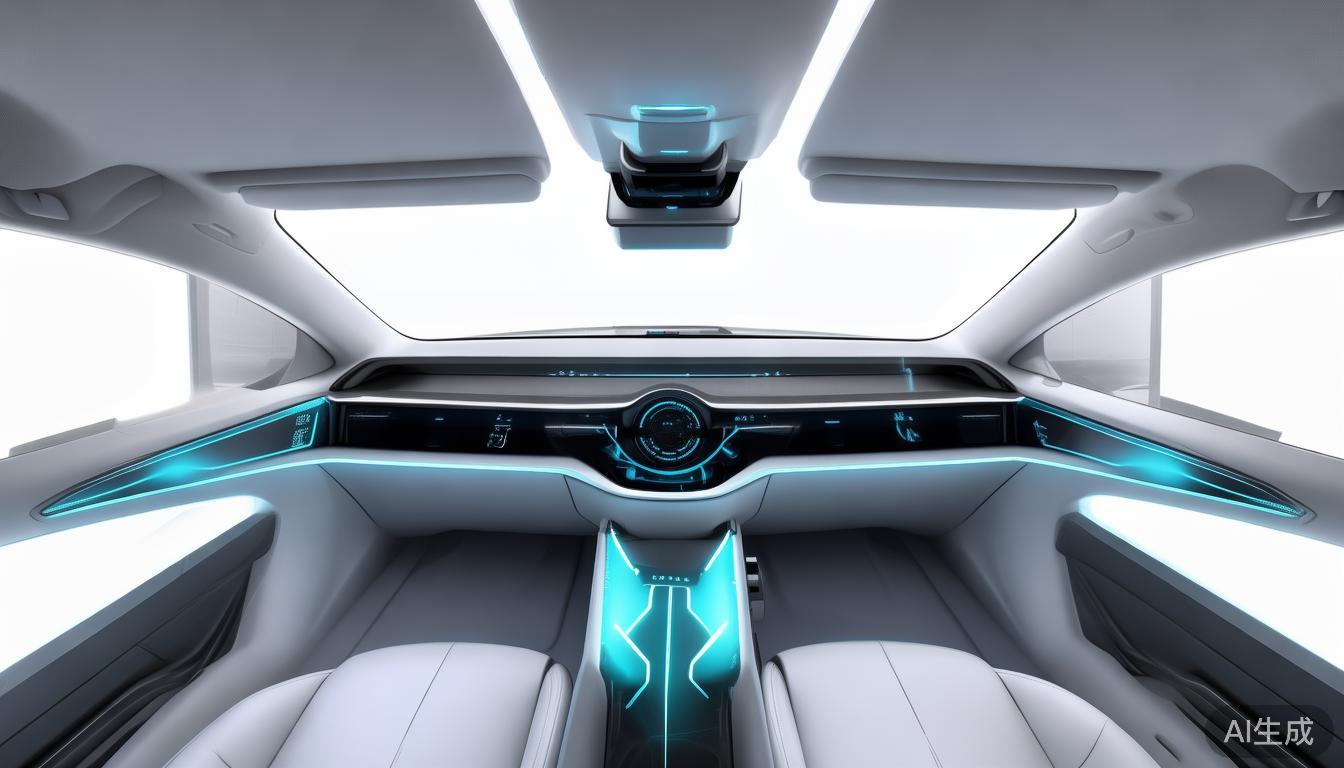
欧盟所有新车将很快配备驾驶员监控摄像头
欧盟刚刚宣布了一项具有里程碑意义的法规,要求该地区所有新售车辆必须配备驾驶员监控摄像头。这一举措标志着通过解决分心驾驶这一全球主要事故原因,显著提升道路安全的重要一步。该法规预计将在不久的将来生效,有望彻底改变我们对车辆安全和驾驶员行为的认知。
问题:分心驾驶
分心驾驶仍然是道路安全面临的最重大威胁之一。无论是发短信、调整收音机,还是仅仅看别处,分心都可能造成灾难性后果。根据世界卫生组织(WHO)的数据,分心驾驶导致全球大量交通事故和人员伤亡。仅在欧盟,分心驾驶每年就造成数千人受伤和死亡。
智能手机和车载娱乐系统的兴起使这一问题更加突出。虽然这些技术提供了便利和休闲,但也为驾驶员提供了视线离开道路的机会。欧盟的新法规旨在直面这一问题,通过强制配备能够检测并提醒驾驶员分心的监控系统来解决。
驾驶员监控摄像头的工作原理
驾驶员监控摄像头,也称为驾驶员辅助系统,使用先进技术来监控驾驶员的行为。这些摄像头通常安装在车内,通常靠近仪表盘或后视镜,旨在监控驾驶员的面部、眼睛和头部动作。以下是对这些系统工作原理的详细说明:
1. 眼动追踪:驾驶员监控摄像头最关键的功能之一是眼动追踪。这些摄像头可以检测到驾驶员何时视线离开道路,即使只是短暂的时刻。通过分析驾驶员的注视模式,系统可以判断驾驶员是否分心,并可能需要采取纠正措施。
2. 头部位置监控:系统还监控驾驶员的头部位置,以确保其始终朝向前方。如果驾驶员的头部倾斜显著或持续时间较长,系统可以将其解释为潜在的干扰。
3. 面部识别:一些先进的系统集成了面部识别技术,以确认驾驶员确实是车辆的操作者。这一功能有助于防止未经授权的人员驾驶车辆,并确保监控的准确性。
4. 警报和干预:当系统检测到分心行为时,可以向驾驶员发出警报。这些警报可能以视觉或听觉警告的形式出现,在某些情况下,系统甚至可以接管车辆以防止事故。例如,它可能会轻轻将车辆驶回车道,或者在驾驶员没有反应时制动。
以下是一个驾驶员监控系统如何处理数据的简单示例:
def monitor_driver(eye_tracking_data, head_position_data):
    if is_looking_away(eye_tracking_data) or is_head_tilted(head_position_data):
        alert_driver()
        if distraction_severity() > HIGH:
            take_control_of_vehicle()

def is_looking_away(eye_tracking_data):
    # 分析注视模式
    return gaze_is_distracted(eye_tracking_data)

def is_head_tilted(head_position_data):
    # 检查头部位置
    return head_is_tilted(head_position_data)

def alert_driver():
    # 视觉或听觉警报
    display_alert("驾驶员分心已检测到!")

def take_control_of_vehicle():
    # 驾驶或制动以防止事故
    gently_steer_back()
    apply_brakes_if_necessary()
驾驶员监控系统的优势
在欧盟所有新售车辆中实施驾驶员监控摄像头将带来以下几项关键优势:
1. 减少事故:通过检测并提醒驾驶员分心,这些系统可以显著减少因分心驾驶导致的事故。研究表明,驾驶员监控系统可以改善驾驶行为,降低碰撞风险。
2. 增强驾驶员意识:监控系统的存在可以使驾驶员在驾驶时更加警觉。知道自己的行为正在被监控,可以鼓励驾驶员更加专注于道路,避免分心。
3. 提升道路安全:这些系统不仅保护驾驶员,也保护其他道路使用者。通过减少因分心驾驶导致的事故,它们为道路上的每一个人创造了更安全的环境。
4. 未来创新的潜力:驾驶员监控摄像头的采用为车辆安全的进一步创新打开了大门。随着技术的进步,我们可以期待更复杂的系统,这些系统能够在事故发生前预测并防止事故。
挑战和考量
尽管有诸多优势,但实施驾驶员监控摄像头也面临挑战。以下是一些关键考量:
1. 隐私问题:最重大的担忧是隐私。驾驶员可能不习惯摄像头在驾驶时监控他们的面部和行为。制造商必须解决这些担忧,确保收集的数据安全且合理使用。
2. 成本和实施:将驾驶员监控摄像头集成到新车辆中会增加生产成本。这可能会使新车的价格更高。此外,在不同类型的车辆(从小型乘用车到商用卡车)中实施这些系统可能存在挑战。
3. 可靠性和准确性:驾驶员监控系统的有效性取决于其可靠性和准确性。系统可能会产生误报或未能检测到某些类型的干扰。持续测试和改进对于解决这些问题至关重要。
4. 法规合规性:制造商需要确保其驾驶员监控系统符合新的欧盟法规。这需要大量投资于研发,以满足严格的安全和隐私标准。
意义
欧盟决定在新车辆中强制配备驾驶员监控摄像头,是打击分心驾驶斗争中的一个里程碑时刻。通过利用先进技术,欧盟正采取积极措施改善道路安全,保护驾驶员、乘客和行人的生命。
尽管存在挑战,但潜在的好处是毋庸置疑的。驾驶员监控系统有可能彻底改变我们对车辆安全的认知,使道路更安全,减少因人为错误导致的事故。随着这项技术的不断发展,我们可以期待更多创新解决方案,进一步提升道路安全。
总结
欧盟车辆中驾驶员监控摄像头的引入是使我们的道路更安全的重要一步。虽然隐私和实施挑战仍然存在,但减少分心驾驶和提升整体道路安全的长期好处是巨大的。随着我们进入更智能、更互联的车辆时代,这类技术将在塑造未来交通方面发挥关键作用。
Every New Car Sold in the EU Will Soon Feature Driver Monitoring Cameras
The European Union has just announced a groundbreaking regulation that will require all new vehicles sold in the region to be equipped with driver monitoring cameras. This move marks a significant step toward enhancing road safety by tackling distracted driving, a leading cause of accidents across the globe. The regulation, which is set to come into effect in the near future, promises to revolutionize how we think about vehicle safety and driver behavior.
The Problem: Distracted Driving
Distracted driving remains one of the most significant threats to road safety. Whether it's texting, adjusting the radio, or simply looking away from the road, distractions can have devastating consequences. According to the World Health Organization (WHO), distracted driving contributes to a substantial number of traffic accidents and fatalities worldwide. In the European Union alone, distracted driving is responsible for thousands of injuries and deaths each year.
The rise of smartphones and in-car entertainment systems has made the problem even more pronounced. While these technologies offer convenience and leisure, they also create opportunities for drivers to take their eyes off the road. The EU's new regulation aims to address this issue head-on by mandating driver monitoring systems that can detect and alert drivers to distractions.
How Driver Monitoring Cameras Work
Driver monitoring cameras, also known as driver assistance systems, use advanced technology to keep an eye on the driver's behavior. These cameras are typically mounted inside the car, often near the dashboard or rearview mirror, and are designed to monitor the driver's face, eyes, and head movements. Here's a closer look at how these systems work:
1. Eye Tracking: One of the most critical features of driver monitoring cameras is eye tracking. These cameras can detect when a driver is looking away from the road, even for brief moments. By analyzing the driver's gaze patterns, the system can determine if the driver is distracted and may need to take corrective action.
2. Head Position Monitoring: The system also monitors the driver's head position to ensure it remains directed forward. If the driver's head tilts significantly or for an extended period, the system can interpret this as a potential distraction.
3. Facial Recognition: Some advanced systems incorporate facial recognition technology to confirm that the driver is indeed the one operating the vehicle. This feature helps prevent unauthorized individuals from driving the car and ensures that the monitoring is accurate.
4. Alerts and Interventions: When the system detects distracted behavior, it can issue alerts to the driver. These alerts might take the form of visual or auditory warnings, or in some cases, the system can even take control of the vehicle to prevent an accident. For example, it might gently steer the car back into the lane or apply the brakes if the driver is not responding.
Here's a simple example of how a driver monitoring system might process data:
def monitor_driver(eye Tracking_data, head_position_data):
    if is_looking_away(eye Tracking_data) or is_head_tilted(head_position_data):
        alert_driver()
        if distraction_severity() > HIGH:
            take_control_of_vehicle()

def is_looking_away(eye Tracking_data):
    # Analyze gaze patterns
    return gaze_is_distracted(eye Tracking_data)

def is_head_tilted(head_position_data):
    # Check head position
    return head_is_tilted(head_position_data)

def alert_driver():
    # Visual or auditory alert
    display_alert("Driver distraction detected!")

def take_control_of_vehicle():
    # Steer or brake to prevent accident
    gently_steer_back()
    apply_brakes_if_necessary()
The Benefits of Driver Monitoring Systems
The implementation of driver monitoring cameras in all new cars sold in the EU will bring several key benefits:
1. Reduced Accidents: By detecting and alerting drivers to distractions, these systems can significantly reduce the number of accidents caused by distracted driving. Studies have shown that driver monitoring systems can improve driving behavior and reduce the risk of collisions.
2. Enhanced Driver Awareness: The presence of a monitoring system can make drivers more aware of their behavior behind the wheel. Knowing that their actions are being watched can encourage drivers to focus more on the road and avoid distractions.
3. Improved Road Safety for All: These systems not only protect the driver but also other road users. By reducing the number of accidents caused by distracted driving, they contribute to a safer environment for everyone on the road.
4. Potential for Future Innovations: The adoption of driver monitoring cameras opens the door for further innovations in vehicle safety. As the technology evolves, we can expect even more sophisticated systems that can predict and prevent accidents before they happen.
Challenges and Considerations
Despite the numerous benefits, the implementation of driver monitoring cameras is not without challenges. Here are some key considerations:
1. Privacy Concerns: One of the most significant concerns is privacy. Drivers may be uncomfortable with cameras monitoring their faces and behavior while they are driving. It's crucial for manufacturers to address these concerns by ensuring that the data collected is secure and used responsibly.
2. Cost and Implementation: Integrating driver monitoring cameras into new vehicles will increase the cost of production. This could potentially make new cars more expensive for consumers. Additionally, there may be challenges in implementing these systems across different types of vehicles, from passenger cars to commercial trucks.
3. Reliability and Accuracy: The effectiveness of driver monitoring systems depends on their reliability and accuracy. There is a risk that the systems might generate false positives or fail to detect certain types of distractions. Continuous testing and improvement are essential to address these issues.
4. Regulatory Compliance: Manufacturers will need to ensure that their driver monitoring systems comply with the new EU regulations. This will require significant investment in research and development to meet the stringent safety and privacy standards.
What This Means
The EU's decision to mandate driver monitoring cameras in all new vehicles is a landmark moment in the fight against distracted driving. By leveraging advanced technology, the EU is taking a proactive approach to improving road safety and protecting the lives of drivers, passengers, and pedestrians alike.
While there are challenges to overcome, the potential benefits are undeniable. Driver monitoring systems have the potential to revolutionize how we think about vehicle safety, making roads safer and reducing the number of accidents caused by human error. As this technology continues to evolve, we can expect to see even more innovative solutions that further enhance road safety.
Takeaway
The introduction of driver monitoring cameras in EU vehicles is a significant step forward in making our roads safer. While privacy and implementation challenges remain, the long-term benefits of reducing distracted driving and improving overall road safety are immense. As we move into an era of smarter, more connected vehicles, technologies like these will play a crucial role in shaping the future of transportation.