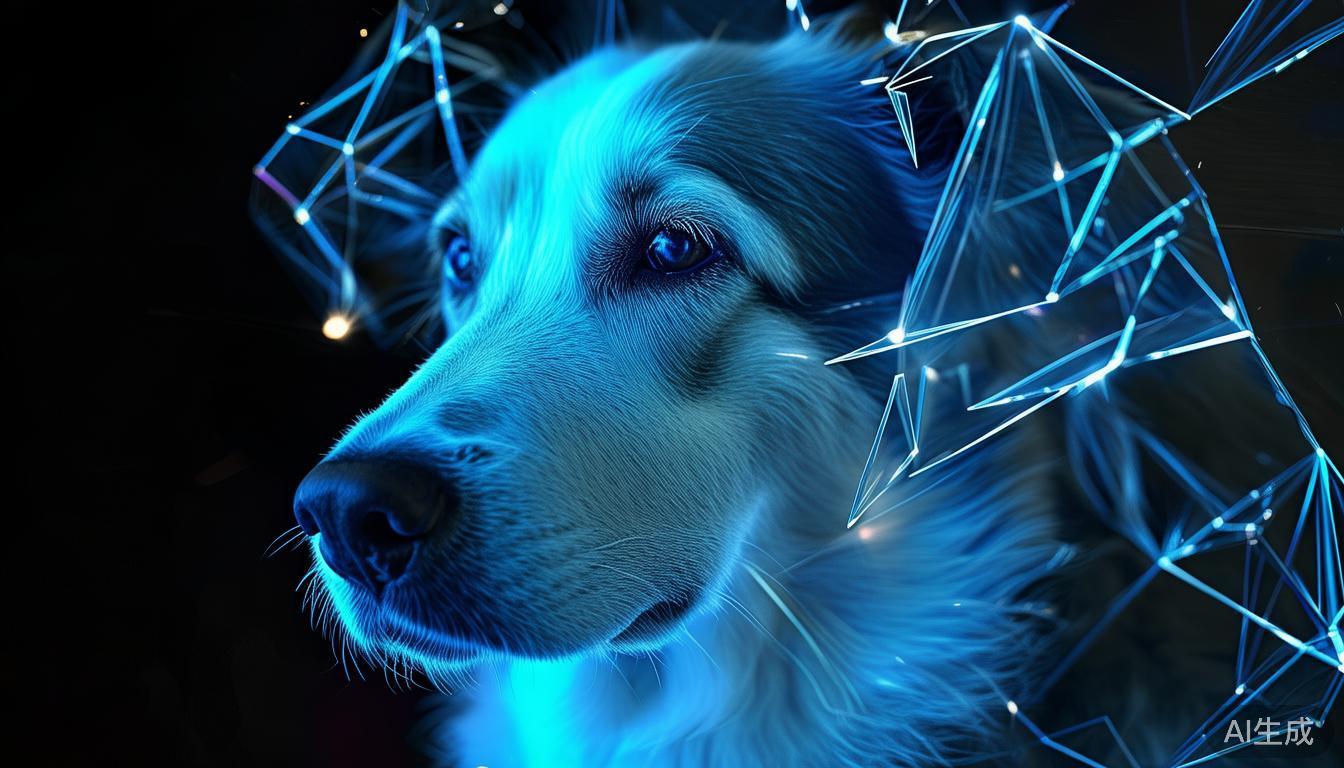
我的狗在评判我吗?——Gemini Vision 评判你的狗脸
每个狗主人都有过这样的时刻:你晚归了,或者吃了东西没分享,你的狗就给你那种眼神。充满了怀疑、失望,或许还有一丝“你在做什么?”的意味。这个问题悬在空中:我的狗在评判我吗?虽然我们无法理解它们的语言,但一个名为我的狗在评判我吗?的新项目旨在利用 Gemini Vision 的力量,通过分析你的爱犬的面部表情来回答这个问题。
我构建了什么
核心想法既简单又引人入胜。你上传一张你狗的照片,Gemini Vision 就会读取表情,判断你的毛茸茸的朋友是否在给你翻白眼、发出不满的嗅闻,或者做出“我见过更夸张的事”的歪头。这不仅仅是一个随意的练习;它展示了先进的计算机视觉如何解读动物表情中的微妙之处,为我们打开了一扇了解我们犬类伙伴情感世界的窗口。
其背后的技术
这个项目的核心是 Gemini Vision,一个用于分析和理解视觉数据的尖端 AI 系统。由 Google 开发,Gemini Vision 利用深度学习技术来识别图像中的模式和情绪,就像人类处理视觉线索一样。该系统在大量标记图像的数据集上进行训练,使其能够识别各种表情,从喜悦和好奇到怀疑和不满。
以下是它的工作原理的简化版本:
- 图像上传:用户上传一张他们狗的照片。
- 预处理:图像被处理以增强与面部表情相关的特征。
- 特征提取:Gemini Vision 识别狗脸上的关键特征点,例如眼睛、鼻子和嘴巴的位置。
- 表情分类:根据这些特征点,系统将表情分类为“不满”、“好奇”或“中性”等类别。
- 输出:用户会收到一个判决——我的狗在评判我吗?——以及一个置信度分数。
实际应用示例
假设你正在试图说服你的狗分享你的披萨是个好主意。你拍下了一张你正在递出一片披萨的照片。Gemini Vision 可能会分析图像并返回类似的内容:
“表情:不满
置信度:85%
你的狗正在给你翻白眼,暗示它并不完全相信你的提议。”
另一方面,如果你正在抚摸你的狗,而它正在摇尾巴,系统可能会回应:
“表情:满足
置信度:92%
你的狗在你面前看起来很快乐和放松。”
这为什么重要
这个项目不仅仅是一个有趣的噱头;它突出了 AI 在理解动物行为方面日益增长的能力。狗和人类一样,通过一系列复杂的面部表情、肢体语言和发声来交流。通过解读这些信号,AI 可以提供主人可能忽略的见解。这可以在宠物护理中发挥实际作用,帮助主人更好地了解宠物的情绪状态并做出适当的回应。
此外,它促进了人类与他们的狗之间的更深层联系。当你看到一个 AI 系统能够承认你的狗的感受时,它可以让你更加注意自己的行为及其对你的毛茸茸朋友的影响。这是一个提醒,我们的宠物不仅仅是伴侣,它们是有自己思想和情感的独立个体。
挑战和局限性
当然,没有完美的技术。解读狗的表情需要理解上下文,而 AI 系统无法完全理解这一点。例如,狗可能看起来“不满”,因为它想出去,而不是因为你吃披萨生气。此外,狗品种和个体个性的差异性意味着有些表情可能比其他表情更难解读。
然而,这些局限性并没有减少这个项目的重要性。它们只是强调了动物交流的复杂性以及创建能够完全模仿人类理解的 AI 的持续挑战。
总结
我的狗在评判我吗? 不仅仅是一个有趣的工具;它是 AI 与人类和动物交流之间鸿沟的未来的一个窗口。通过利用先进的计算机视觉,我们可以更深入地了解我们的宠物的情绪,从而建立更牢固的联系和更好的护理。虽然 AI 可能无法取代充满爱心的主人的直觉,但它确实提供了一个引人入胜且有用的视角。所以下次你的狗给你那种眼神时,你可能正好有一些数据可以参考——无论是该道歉还是为做得好而击掌。
Is My Dog Judging Me? — Gemini Vision Judges Your Dog's Face
Every dog owner has had this moment: you get home late, or you eat something without sharing, and your dog gives you that look. A mix of suspicion, disappointment, and perhaps a hint of "What in the world are you doing?" The question hangs in the air: Is my dog judging me? While we can't speak their language, a new project called Is My Dog Judging Me? aims to answer this question with actual data, using the power of Gemini Vision to analyze your pup's facial expressions.
What I Built
The core idea is simple yet fascinating. You upload a photo of your dog, and Gemini Vision reads the expression to determine whether your furry friend is giving you the side-eye, the disapproving sniff, or the "I've seen things" head tilt. It's not just a whimsical exercise; it's a demonstration of how advanced computer vision can interpret subtle nuances in animal expressions, offering a glimpse into the emotional world of our canine companions.
The Technology Behind It
At the heart of this project is Gemini Vision, a cutting-edge AI system designed to analyze and understand visual data. Developed by Google, Gemini Vision leverages deep learning techniques to recognize patterns and emotions in images, much like how humans process visual cues. The system is trained on vast datasets of labeled images, allowing it to identify a wide range of expressions, from joy and curiosity to suspicion and disapproval.
Here’s a simplified look at how it works:
- Image Upload: The user uploads a photo of their dog.
- Preprocessing: The image is processed to enhance features relevant to facial expressions.
- Feature Extraction: Gemini Vision identifies key landmarks on the dog's face, such as the position of the eyes, nose, and mouth.
- Expression Classification: Based on these landmarks, the system classifies the expression into categories like "disapproving," "curious," or "neutral."
- Output: The user receives a verdict—Is my dog judging me?—along with a confidence score.
Example in Action
Let's say you're trying to convince your dog that sharing your pizza is a good idea. You take a photo just as you're offering a slice. Gemini Vision might analyze the image and return something like:
"Expression: Disapproving
Confidence: 85%
Your dog is giving you the side-eye, suggesting it's not entirely convinced by your offer."
On the other hand, if you're simply petting your dog while it's wagging its tail, the system might respond:
"Expression: Content
Confidence: 92%
Your dog appears to be happy and relaxed in your presence."
Why This Matters
This project isn't just a fun gimmick; it highlights the growing capabilities of AI in understanding animal behavior. Dogs, like humans, communicate through a complex array of facial expressions, body language, and vocalizations. By interpreting these signals, AI can provide insights that might otherwise go unnoticed by owners. This could have practical applications in pet care, helping owners better understand their pets' emotional states and respond appropriately.
Moreover, it fosters a deeper connection between humans and their dogs. When you see an AI system acknowledge your dog's feelings, it can make you more mindful of your own actions and their impact on your furry friend. It's a reminder that our pets are not just companions but individuals with their own thoughts and emotions.
Challenges and Limitations
Of course, no technology is perfect. Interpreting a dog's expression requires understanding the context, which an AI system can't fully grasp. For example, a dog might look "disapproving" because it wants to go outside, not because it's mad at you for eating pizza. Additionally, the variability in dog breeds and individual personalities means that some expressions might be harder to interpret than others.
However, these limitations don't diminish the project's value. They simply underscore the complexities of animal communication and the ongoing challenges in creating AI that can fully mimic human understanding.
Takeaway
Is My Dog Judging Me? is more than just a playful tool; it's a window into the future of AI and its ability to bridge the gap between human and animal communication. By leveraging advanced computer vision, we can gain deeper insights into our pets' emotions, fostering stronger bonds and better care. While AI might not replace the intuition of a loving owner, it certainly provides a fascinating and helpful perspective. So next time your dog gives you that look, you might just have a little more data to work with—whether it's time to apologize or high-five for a job well done.