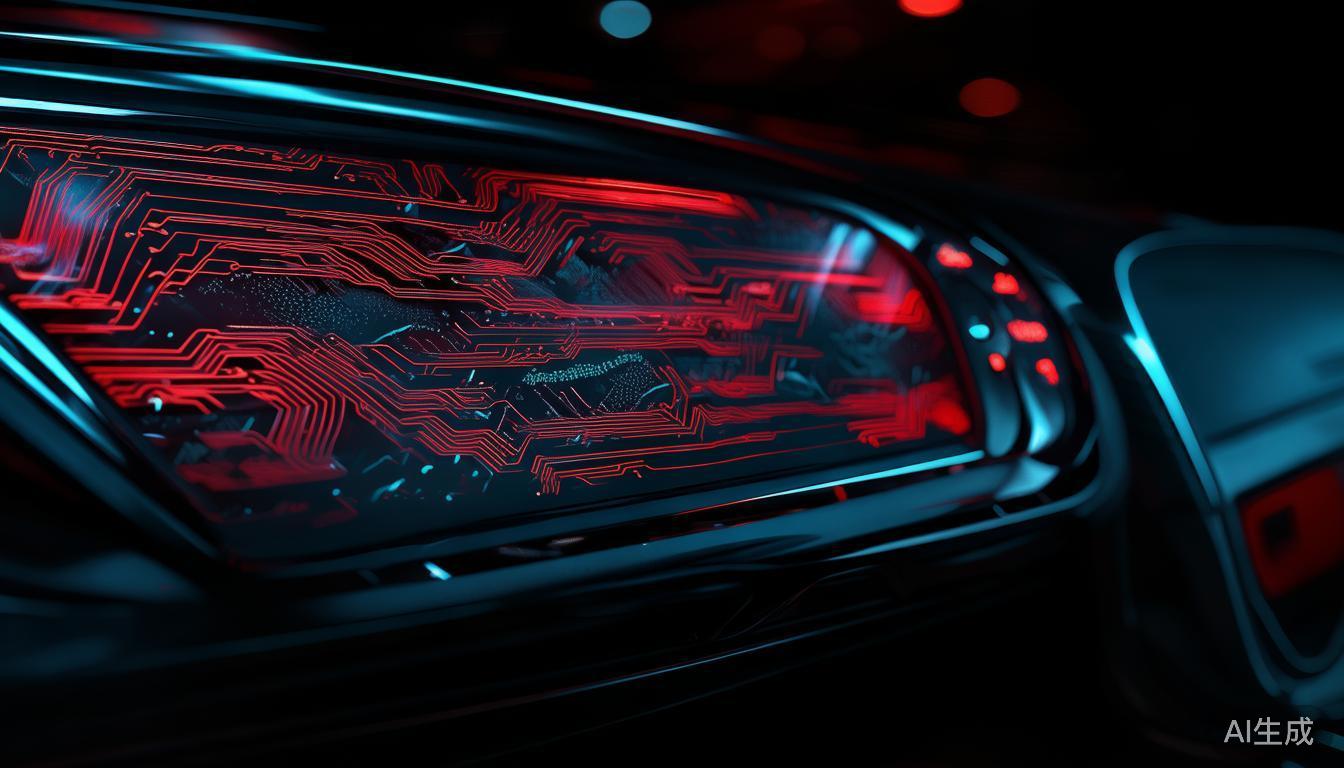
针对基于安卓车载信息娱乐系统固件的恶意软件攻击
汽车行业正经历着基于安卓的信息娱乐系统采用率的激增,为驾驶员和乘客提供了熟悉且可定制的用户体验。然而,这种对技术的依赖也引入了新的漏洞,正如最近一次针对基于安卓车载信息娱乐系统固件的恶意软件攻击所展示的那样。此次入侵凸显了汽车领域网络安全日益增长的重要性,以及恶意软件在当前高度互联生态系统中可能带来的潜在风险。
了解此次攻击
安全研究人员识别出的恶意软件会感染基于安卓的车载信息娱乐系统固件,从而有效控制系统的核心功能。此类攻击尤其令人担忧,因为它不仅会破坏车载娱乐系统,还可能危及依赖信息娱乐系统运行的关键车辆功能。
攻击原理
恶意软件通过利用信息娱乐系统固件中的漏洞运行。一旦安装,它可以执行多种恶意活动,包括:
- 数据窃取:窃取个人数据、位置历史记录和导航偏好等敏感信息。
- 远程控制:允许攻击者远程操控信息娱乐系统的功能,包括音频控制、导航和连接功能。
- 勒索软件:加密信息娱乐系统的数据,并要求支付赎金以获取数据解密。
攻击途径
主要的感染方式是通过受感染的软件更新。攻击者可以将恶意代码注入由汽车制造商或第三方开发者分发的固件更新中。当信息娱乐系统安装这些更新时,恶意软件会悄无声息地安装,通常不被用户或系统检测到。
// 固件更新中恶意代码注入示例
public class MaliciousFirmwareUpdate {
    public void install() {
        // 利用固件漏洞
        exploitVulnerability();
        // 安装恶意软件
        installMalware();
        // 禁用安全措施
        disableSecurity();
    }

    private void exploitVulnerability() {
        // 利用安卓系统中的已知漏洞
    }

    private void installMalware() {
        // 将恶意软件注入系统
    }

    private void disableSecurity() {
        // 禁用防火墙和杀毒软件
    }
}
风险与影响
此类攻击的后果可能非常严重,不仅对个人车主,也对整个汽车行业。以下是其中一些主要风险:
对车主
- 隐私侵犯:敏感个人数据可能被泄露,导致隐私侵犯和潜在的身份盗窃。
- 安全担忧:如果恶意软件干扰关键车辆功能,会对驾驶员和乘客构成重大安全风险。
- 经济损失:勒索软件攻击可能导致经济损失,包括恢复数据的成本和潜在的维修费用。
对汽车行业
- 声誉损害:重大攻击会损害制造商和供应商的声誉,导致消费者信任度下降。
- 监管合规:如果制造商未能遵守网络安全标准和法规,可能面临监管处罚。
- 成本增加:实施额外安全措施和应对攻击的需求可能导致制造商和供应商的成本增加。
缓解策略
为了防范此类攻击,制造商和消费者都必须采取主动措施:
对制造商
- 安全软件开发:实施安全编码实践并彻底测试,以识别和缓解漏洞。
- 定期安全审计:进行定期安全审计和渗透测试,以识别和解决潜在弱点。
- 安全更新机制:使用安全且经过身份验证的更新机制,确保固件更新未被篡改。
对消费者
- 保持系统更新:定期更新信息娱乐系统的固件以修补已知漏洞。
- 使用可信来源:仅从可信来源下载固件更新,例如汽车制造商或授权经销商。
- 安装安全软件:考虑在信息娱乐系统上安装知名安全软件,以检测和防止恶意软件感染。
更广泛背景
此次攻击是针对汽车行业日益增长的网络安全威胁的一部分。随着车辆变得更加互联和依赖软件,它们越来越容易受到网络攻击。汽车行业必须优先考虑网络安全,以保护消费者并维护对互联车辆的信任。
经验教训
- 网络安全不可妥协:网络安全应成为汽车行业所有利益相关者的首要任务,从制造商到供应商再到消费者。
- 协作至关重要:行业需要协作共享威胁情报,并制定保护互联车辆的最佳实践。
- 监管行动:政府和监管机构应实施和执行汽车系统的网络安全标准。
总结
针对基于安卓车载信息娱乐系统的恶意软件攻击是一个警示,突显了互联车辆相关的网络安全风险。随着汽车行业继续拥抱技术,必须主动解决这些漏洞。通过实施强大的安全措施并促进行业协作,我们可以为所有道路使用者创造一个更安全、更可靠的环境。
Malware Targets Android-Based Automotive Head Unit Firmware
The automotive industry has seen a surge in the adoption of Android-based infotainment systems, offering drivers and passengers a familiar and customizable user experience. However, this increased reliance on technology also introduces new vulnerabilities, as demonstrated by a recent malware attack targeting the firmware of Android-based automotive head units. This breach highlights the growing importance of cybersecurity in the automotive sector and the potential risks posed by malicious software in what is now a highly connected ecosystem.
Understanding the Attack
The malware, identified by cybersecurity researchers, infects the firmware of Android-based automotive head units, effectively taking control of the system's core functionalities. This type of attack is particularly concerning because it compromises not just the in-car entertainment system but also potentially critical vehicle functions that rely on the head unit for operation.
How It Works
The malware operates by exploiting vulnerabilities in the head unit's firmware. Once installed, it can execute a variety of malicious activities, including:
- Data Theft: Stealing sensitive information such as personal data, location history, and navigation preferences.
- Remote Control: Allowing attackers to remotely manipulate the head unit's functions, including audio controls, navigation, and connectivity features.
- Ransomware: Encrypting the head unit's data and demanding payment for its release.
Exploitation Vector
The primary method of infection is through compromised software updates. Attackers can inject malicious code into firmware updates distributed by the vehicle manufacturers or third-party developers. When the head unit installs these updates, the malware is silently installed, often going undetected by the user or the system.
// Example of malicious code injection in firmware update
public class MaliciousFirmwareUpdate {
    public void install() {
        // Exploit firmware vulnerability
        exploitVulnerability();
        // Install malware
        installMalware();
        // Disable security measures
        disableSecurity();
    }

    private void exploitVulnerability() {
        // Exploit a known vulnerability in the Android OS
    }

    private void installMalware() {
        // Inject malware into the system
    }

    private void disableSecurity() {
        // Disable firewall and antivirus
    }
}
The Risks and Implications
The consequences of such an attack can be severe, both for individual vehicle owners and the broader automotive industry. Here are some of the key risks:
For Vehicle Owners
- Privacy Violations: Sensitive personal data can be compromised, leading to privacy violations and potential identity theft.
- Safety Concerns: If the malware interferes with critical vehicle functions, it can pose a significant safety risk to the driver and passengers.
- Financial Loss: Ransomware attacks can result in financial loss, both from the cost of recovering data and potential repair expenses.
For the Automotive Industry
- Reputation Damage: High-profile attacks can damage the reputation of manufacturers and suppliers, leading to a loss of consumer trust.
- Regulatory Compliance: Manufacturers may face regulatory penalties if they fail to comply with cybersecurity standards and regulations.
- Increased Costs: The need to implement additional security measures and respond to attacks can lead to increased costs for manufacturers and suppliers.
Mitigation Strategies
To protect against such attacks, both manufacturers and consumers must采取 proactive measures:
For Manufacturers
- Secure Software Development: Implement secure coding practices and conduct thorough testing to identify and mitigate vulnerabilities.
- Regular Security Audits: Perform regular security audits and penetration testing to identify and address potential weaknesses.
- Secure Update Mechanisms: Use secure and authenticated update mechanisms to ensure that firmware updates are not tampered with.
For Consumers
- Keep Systems Updated: Regularly update the head unit's firmware to patch known vulnerabilities.
- Use Trusted Sources: Only download firmware updates from trusted sources, such as the vehicle manufacturer or authorized dealers.
- Install Security Software: Consider installing reputable security software on the head unit to detect and prevent malware infections.
The Broader Context
This attack is part of a growing trend of cyber threats targeting the automotive industry. As vehicles become more connected and reliant on software, they are increasingly vulnerable to cyber attacks. The automotive industry must prioritize cybersecurity to protect consumers and maintain trust in connected vehicles.
Lessons Learned
- Cybersecurity is Non-Negotiable: Cybersecurity should be a top priority for all stakeholders in the automotive industry, from manufacturers to suppliers to consumers.
- Collaboration is Key: The industry needs to collaborate to share threat intelligence and develop best practices for securing connected vehicles.
- Regulatory Action: Governments and regulatory bodies should implement and enforce cybersecurity standards for automotive systems.
Takeaway
The malware attack on Android-based automotive head units serves as a stark reminder of the cybersecurity risks associated with connected vehicles. As the automotive industry continues to embrace technology, it is crucial to address these vulnerabilities proactively. By implementing robust security measures and fostering collaboration across the industry, we can create a safer and more secure environment for all road users.