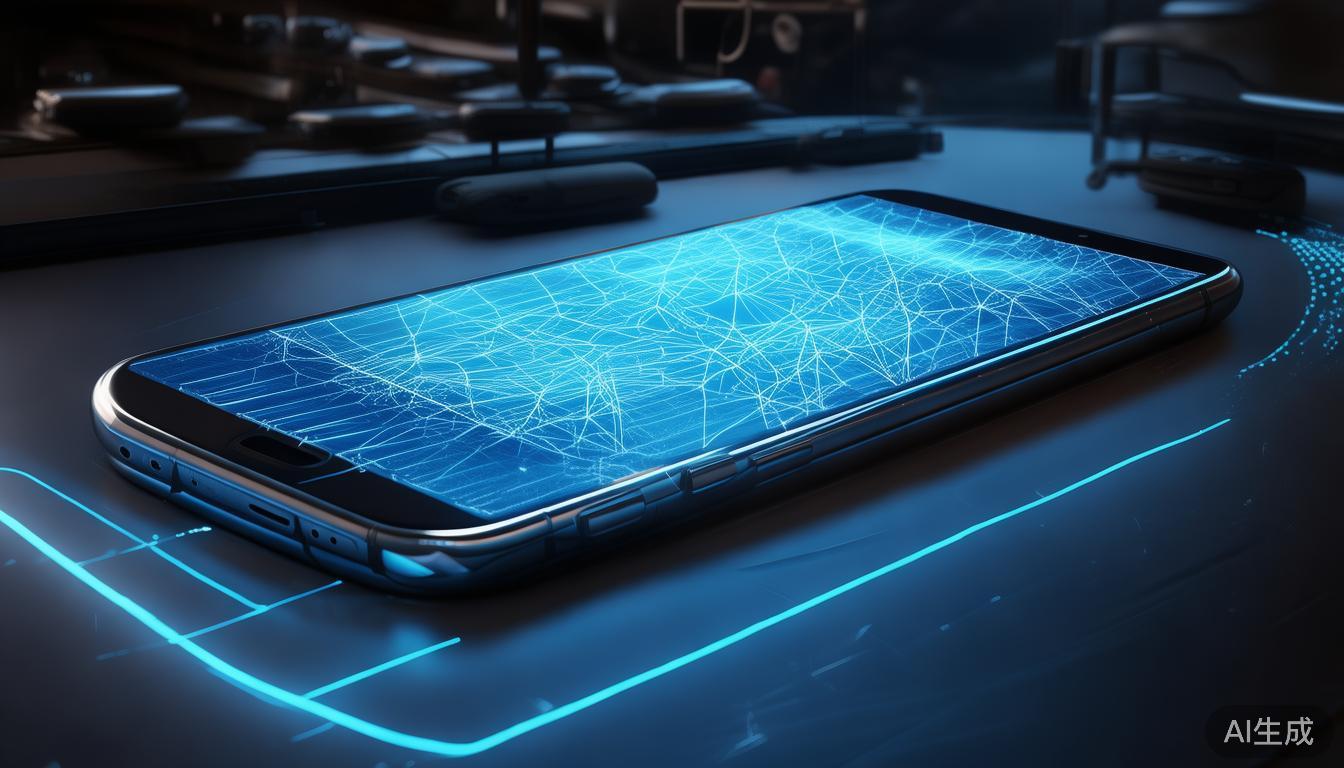
三星在960x540图像上运行TensorFlow Lite模型以追踪您
科技世界不断进步,机器学习和人工智能(AI)领域取得了显著进展。近日,Hacker News上出现了一个引人入胜的发现,揭示了三星使用TensorFlow Lite模型处理960x540图像进行追踪的目的。这一发展不仅凸显了AI日益融入日常设备,也引发了关于隐私、效率和智能技术未来的重要问题。
背景:TensorFlow Lite及其应用
TensorFlow Lite是一个开源解决方案,旨在优化TensorFlow模型在移动和嵌入式设备上的运行。它允许开发者在资源有限的设备上部署强大的机器学习模型,使其成为需要边缘实时处理的应用的理想选择。在低功耗设备上运行复杂模型的能力开辟了众多可能性,从图像识别到目标追踪。
为什么使用960x540图像?
选择960x540图像(相当于518,400像素)尤其引人注目。该分辨率显著低于高端智能手机通常使用的分辨率,但仍然在细节和计算效率之间取得了平衡。这可能是一个战略决策的原因如下:
- 降低计算负载:低分辨率图像需要更少的处理能力,使得模型在硬件能力有限的设备上运行成为可能。
- 节能:处理低分辨率图像消耗更少的能量,这对电池供电设备至关重要。
- 提升延迟:由于要处理的数据更少,模型可以更快地提供结果,增强实时追踪应用。
三星的实现
三星使用TensorFlow Lite模型通过960x540图像追踪用户,证明了该公司在创新和效率方面的承诺。这一技术的意义深远,特别是在智能设备和用户体验的背景下。
潜在应用场景
- 智能手机:想象一下,智能手机可以追踪您的移动轨迹、识别面部,甚至实时监控您的健康状况,而所有这些操作都只需极少的电池消耗。这是通过高效处理低分辨率图像实现的。
- 可穿戴设备:智能手表或健身追踪器等可穿戴设备可以利用这项技术,在不快速耗尽电池的情况下提供精确的追踪。
- 物联网(IoT)设备:日益融入我们日常生活的物联网设备可以从这项技术中受益,实现更高效和响应更快的交互。
代码片段:运行TensorFlow Lite模型
以下是一个简化的示例,展示了如何部署TensorFlow Lite模型来处理960x540图像进行追踪:
import tensorflow as tf

# 加载TensorFlow Lite模型
interpreter = tf.lite.Interpreter(model_path="model.tflite")
interpreter.allocate_tensors()

# 准备图像数据
input_details = interpreter.get_input_details()
output_details = interpreter.get_output_details()
input_shape = input_details[0]['shape']
input_data = tf.image.resize(image, (960, 540))
input_data = input_data / 255.0  # 归一化图像数据

# 设置输入张量
interpreter.set_tensor(input_details[0]['index'], input_data.numpy())

# 运行模型
interpreter.invoke()

# 获取输出张量
output_data = interpreter.get_tensor(output_details[0]['index'])
这段代码展示了加载TensorFlow Lite模型、准备图像数据并运行模型以获取输出的基本过程。关键在于高效处理低分辨率图像,这使得模型能够在资源有限的设备上有效运行。
隐私和伦理考量
虽然技术进步令人兴奋,但也引发了显著的隐私和伦理问题。即使使用低分辨率图像进行实时追踪,如果处理不当,也可能具有侵入性。以下是一些关键考量:
- 用户同意:必须确保用户知情并同意使用此类追踪技术。关于数据收集和使用的透明度至关重要。
- 数据安全:收集的数据安全必须放在首位。必须采取措施保护用户数据免受未经授权的访问或泄露。
- 目的限制:收集的数据应仅用于预期目的,不得用于任何其他未披露的活动。
AI驱动追踪的未来
三星使用TensorFlow Lite模型进行追踪的实现,只是一个新时代AI驱动设备的开始。随着技术的不断发展,我们可以期待看到更多在效率与隐私之间取得平衡的复杂应用。以下是一些潜在的未来发展:
- 提升精度:随着机器学习模型的改进,即使使用低分辨率图像,追踪应用的精度也将提高。
- 多模态追踪:未来的设备可能会结合图像、音频和传感器数据,提供更全面的追踪解决方案。
- 边缘计算:向边缘计算的转变将使更多处理在设备本身上进行,减少对云服务器的持续连接需求。
总结
三星使用TensorFlow Lite模型处理960x540图像进行追踪,是AI融入日常设备的重要一步。它展示了即使在资源有限的设备上,也能实现高效且强大的追踪应用。然而,这一进步必须伴随着对隐私和伦理考量的坚定承诺。在前进的道路上,创新与责任之间的平衡将是确保这些技术为用户带来益处,同时保护其权利和自由的关键。
Samsung Running a TensorFlow Lite Model on a 960x540 Image to Track You
The world of technology is constantly evolving, with advancements in machine learning and artificial intelligence (AI) making significant strides. Recently, a fascinating revelation surfaced on Hacker News, shedding light on Samsung's use of a TensorFlow Lite model to process a 960x540 image for tracking purposes. This development not only highlights the growing integration of AI into everyday devices but also raises important questions about privacy, efficiency, and the future of smart technology.
The Context: TensorFlow Lite and Its Applications
TensorFlow Lite is an open-source solution designed to optimize TensorFlow models for mobile and embedded devices. It allows developers to deploy powerful machine learning models on devices with limited resources, making it an ideal choice for applications that require real-time processing on the edge. The ability to run complex models on lower-power devices opens up a plethora of possibilities, from image recognition to object tracking.
Why Use a 960x540 Image?
The choice of a 960x540 image (which equates to 518,400 pixels) is particularly intriguing. This resolution is significantly lower than what is typically used in high-end smartphones, yet it still offers a balance between detail and computational efficiency. Here’s why this might be a strategic decision:
- Reduced Computational Load: Lower-resolution images require less processing power, making it feasible to run the model on devices with limited hardware capabilities.
- Energy Efficiency: Processing lower-resolution images consumes less energy, which is crucial for battery-powered devices.
- Improved Latency: With less data to process, the model can deliver results faster, enhancing real-time tracking applications.
Samsung's Implementation
Samsung’s use of a TensorFlow Lite model to track users via a 960x540 image is a testament to the company’s commitment to innovation and efficiency. The implications of this technology are far-reaching, especially in the context of smart devices and user experience.
Potential Use Cases
- Smartphones: Imagine a smartphone that can track your movements, recognize faces, or even monitor your health in real-time, all while using a minimal amount of battery power. This is made possible by the efficient processing of lower-resolution images.
- Wearable Devices: Wearables, such as smartwatches or fitness trackers, can leverage this technology to provide accurate tracking without draining the battery quickly.
- Internet of Things (IoT) Devices: IoT devices, which are increasingly becoming a part of our daily lives, can benefit from this technology by enabling more efficient and responsive interactions.
Code Snippet: Running a TensorFlow Lite Model
Here’s a simplified example of how a TensorFlow Lite model might be deployed to process a 960x540 image for tracking purposes:
import tensorflow as tf

# Load the TensorFlow Lite model
interpreter = tf.lite.Interpreter(model_path="model.tflite")
interpreter.allocate_tensors()

# Prepare the image data
input_details = interpreter.get_input_details()
output_details = interpreter.get_output_details()
input_shape = input_details[0]['shape']
input_data = tf.image.resize(image, (960, 540))
input_data = input_data / 255.0  # Normalize the image data

# Set the input tensor
interpreter.set_tensor(input_details[0]['index'], input_data.numpy())

# Run the model
interpreter.invoke()

# Get the output tensor
output_data = interpreter.get_tensor(output_details[0]['index'])
This code snippet demonstrates the basic process of loading a TensorFlow Lite model, preparing the image data, and running the model to obtain the output. The key here is the efficient processing of the lower-resolution image, which allows the model to operate effectively on devices with limited resources.
Privacy and Ethical Considerations
While the technological advancements are exciting, they also raise significant privacy and ethical concerns. The ability to track users in real-time, even with a lower-resolution image, can be intrusive if not handled responsibly. Here are some key considerations:
- User Consent: It is crucial that users are informed and consent to the use of such tracking technologies. Transparency about data collection and usage is essential.
- Data Security: The security of the data collected must be paramount. Measures should be in place to protect user data from unauthorized access or breaches.
- Purpose Limitation: The data collected should be used only for the intended purposes and not for any other undisclosed activities.
The Future of AI-Powered Tracking
Samsung’s implementation of a TensorFlow Lite model for tracking purposes is just the beginning of a new era in AI-powered devices. As technology continues to evolve, we can expect to see more sophisticated applications that balance efficiency with privacy. Here are some potential future developments:
- Enhanced Accuracy: As machine learning models improve, the accuracy of tracking applications will increase, even with lower-resolution images.
- Multi-Modal Tracking: Future devices may use a combination of image, audio, and sensor data to provide more comprehensive tracking solutions.
- Edge Computing: The trend towards edge computing will enable more processing to be done on the device itself, reducing the need for constant connectivity to cloud servers.
Takeaway
Samsung’s use of a TensorFlow Lite model to process a 960x540 image for tracking purposes is a significant step forward in the integration of AI into everyday devices. It demonstrates the potential for efficient and powerful tracking applications, even on devices with limited resources. However, this progress must be accompanied by a strong commitment to privacy and ethical considerations. As we move forward, the balance between innovation and responsibility will be key to ensuring that these technologies benefit users while protecting their rights and freedoms.