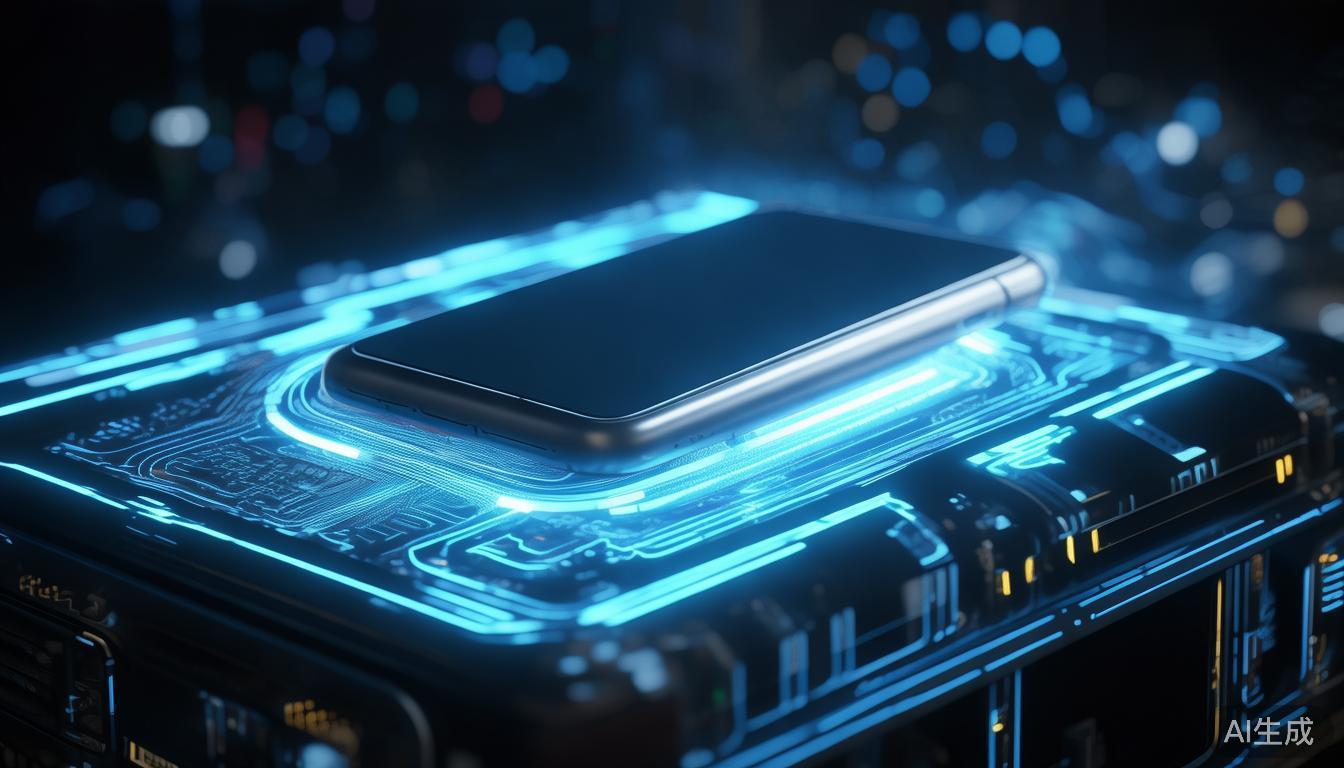
拥抱移动服务器:重新定义科技的未来
在智能手机已成为我们日常生活不可或缺一部分的时代,人们或许不会立刻想到它们也能充当服务器。然而,一篇标题为《我的服务器现在是一台手机》的Hacker News文章挑战了这一传统观念,提出了一个发人深省的观点,探讨了移动设备角色的演变。作者通过一系列富有洞察力的观察,探讨了现代智能手机如何越来越能够承载类似服务器的功能,模糊了传统计算设备与服务器之间的界限。
移动设备作为服务器的崛起
传统服务器,作为设计用于处理和存储数据的强大机器,一直是数字基础设施的核心。然而,随着移动技术的进步,智能手机现在配备了强大的处理器、充足的内存和高速连接,使其成为承载服务器功能的理想选择。Hacker News上的文章深入探讨了如何利用这些能力,创造一种新的范式,其中移动设备承担起服务器的角色。
讨论中的一个关键点是智能手机计算能力的不断提升。现代智能手机不再仅仅是通讯设备;它们能够运行复杂应用程序和处理高要求任务。这得益于多核处理器、高速RAM和先进操作系统的集成。因此,智能手机现在可以管理数据、运行应用程序和提供服务——这些功能传统上是为专用服务器保留的。
移动服务器的优势
转向移动服务器带来了诸多优势。首先,它提高了可访问性。有了充当服务器的智能手机,用户可以随时随地访问他们的数据和应用程序。这对于远程工作者以及在移动中需要保持联系的人来说尤其有益。其次,移动服务器可以显著降低成本。设置传统服务器需要大量硬件和维护投资。相比之下,利用现有的智能手机可能是一个更具成本效益的解决方案。
此外,移动服务器可以更加节能。虽然服务器通常消耗大量电力,但智能手机被设计为优化能源使用。这意味着移动服务器可以在较长时间内运行而无需频繁充电,使其成为一种更可持续的选择。
实际应用和用例
移动服务器的概念为各种实际应用打开了大门。例如,开发者可以创建应用程序,允许用户直接在他们的智能手机上托管自己的Web服务器。这对于需要建立网站但无力投资专用服务器的中小企业或个人来说特别有用。
另一个有趣的用例是物联网(IoT)领域。随着物联网设备的普及,对边缘计算解决方案的需求日益增长。在这种情况下,移动服务器可以发挥关键作用,为物联网设备提供本地处理和存储能力,从而降低延迟并提高整体性能。
以下是一个使用Node.js(一个流行的JavaScript运行时环境)设置移动服务器的简单示例:
const http = require('http');

const hostname = '127.0.0.1';
const port = 3000;

const server = http.createServer((req, res) => {
  res.statusCode = 200;
  res.setHeader('Content-Type', 'text/plain');
  res.end('Hello, world!\n');
});

server.listen(port, hostname, () => {
  console.log(`Server running at http://${hostname}:${port}/`);
});
这段代码示例设置了一个基本的HTTP服务器,该服务器在智能手机上运行。虽然这是一个简化的示例,但它展示了移动设备承载服务器功能的潜力。
挑战与考量
尽管优势众多,但仍需考虑一些挑战。其中主要关注点是安全性。与传统服务器相比,移动设备更容易受到攻击。确保存储和处理在移动服务器上的数据的安全性至关重要。这可以通过加密、安全的认证机制和定期的软件更新来实现。
另一个挑战是移动设备的资源有限。与专用服务器不同,智能手机在处理能力、内存和存储方面存在限制。这意味着并非所有基于服务器的应用程序都能在移动设备上有效运行。开发者需要优化他们的应用程序以适应这些限制。
移动服务器的未来
随着技术的不断发展,移动服务器的潜力可能会进一步扩大。例如,5G网络的兴起预计将提供所需的高速、低延迟连接,以支持移动设备上更复杂的服务器功能。此外,边缘计算和人工智能等领域的进步可能会推动开发创新的应用程序,这些应用程序利用移动服务器。
Hacker News上的文章强调了思维方式的转变——从传统的以服务器为中心的模式转向更分布式、更去中心化的方法。在这个未来,移动设备在数字生态系统中扮演着核心角色,不仅作为终端用户设备,更作为强大的计算平台。
总结
智能手机作为服务器的想法不仅仅是一个未来概念;它已经成为一个正在改变我们思考方式的现实。通过利用移动设备的强大功能,我们可以创造更可访问、更具成本效益和更可持续的解决方案。然而,解决挑战和考量对于充分发挥移动服务器的潜力至关重要。随着我们向前迈进,移动设备与服务器生态系统的整合可能会重新定义科技的未来,为创新提供新的机遇和可能性。
Embracing the Mobile Server: Redefining the Future of Tech
In an era where smartphones have become an indispensable part of our daily lives, one might not immediately think of them as servers. Yet, a post on Hacker News titled "My server is a phone now" challenges this conventional notion, offering a thought-provoking perspective on the evolving role of mobile devices. The author, through a series of insightful observations, explores how modern smartphones are increasingly capable of hosting server-like functionalities, blurring the lines between traditional computing devices and servers.
The Rise of Mobile Devices as Servers
The traditional server, a robust machine designed to handle and store data, has always been a cornerstone of the digital infrastructure. However, with advancements in mobile technology, smartphones are now equipped with powerful processors, ample memory, and high-speed connectivity, making them viable candidates for hosting server functionalities. The post on Hacker News delves into how these capabilities can be leveraged to create a new paradigm in which mobile devices take on the role of servers.
One of the key points highlighted in the discussion is the increasing computational power of smartphones. Modern smartphones are no longer just communication devices; they are capable of running complex applications and handling demanding tasks. This has been made possible by the integration of multi-core processors, high-speed RAM, and advanced operating systems. As a result, smartphones can now manage data, run applications, and provide services—functions traditionally reserved for dedicated servers.
The Benefits of Mobile Servers
The shift towards mobile servers offers several advantages. Firstly, it enhances accessibility. With a smartphone acting as a server, users can access their data and applications from anywhere, at any time. This is particularly beneficial for remote workers and those who need to stay connected while on the go. Secondly, mobile servers can significantly reduce costs. Setting up a traditional server requires a considerable investment in terms of hardware and maintenance. In contrast, leveraging an existing smartphone can be a more cost-effective solution.
Moreover, mobile servers can be more energy-efficient. While servers typically consume a lot of power, smartphones are designed to optimize energy usage. This means that mobile servers can operate for extended periods without requiring frequent recharging, making them a more sustainable option.
Practical Applications and Use Cases
The concept of mobile servers opens up a plethora of practical applications. For instance, developers can create applications that allow users to host their own web servers directly on their smartphones. This can be particularly useful for small businesses or individuals who need to set up a website but do not have the resources to invest in a dedicated server.
Another interesting use case is in the realm of IoT (Internet of Things). With the proliferation of IoT devices, there is a growing need for edge computing solutions. Mobile servers can play a crucial role in this context by providing a local processing and storage capability for IoT devices, reducing latency and improving overall performance.
Here is a simple example of how a mobile server might be set up using Node.js, a popular JavaScript runtime environment:
const http = require('http');

const hostname = '127.0.0.1';
const port = 3000;

const server = http.createServer((req, res) => {
  res.statusCode = 200;
  res.setHeader('Content-Type', 'text/plain');
  res.end('Hello, world!\n');
});

server.listen(port, hostname, () => {
  console.log(`Server running at http://${hostname}:${port}/`);
});
This code snippet sets up a basic HTTP server that runs on a smartphone. While this is a simplified example, it demonstrates the potential of mobile devices to host server functionalities.
Challenges and Considerations
Despite the numerous benefits, there are challenges and considerations to keep in mind. One of the primary concerns is security. Mobile devices are more vulnerable to attacks compared to traditional servers. Ensuring the security of data stored and processed on mobile servers is crucial. This can be achieved through encryption, secure authentication mechanisms, and regular software updates.
Another challenge is the limited resources of mobile devices. Unlike dedicated servers, smartphones have constraints in terms of processing power, memory, and storage. This means that not all server-based applications can be effectively run on mobile devices. Developers need to optimize their applications to work within these constraints.
The Future of Mobile Servers
As technology continues to evolve, the potential of mobile servers is likely to expand further. The advent of 5G networks, for instance, is expected to provide the high-speed, low-latency connectivity needed to support more complex server functionalities on mobile devices. Additionally, advancements in areas such as edge computing and AI are likely to drive the development of innovative applications that leverage mobile servers.
The post on Hacker News highlights a shift in mindset—a move away from the traditional server-centric model towards a more distributed and decentralized approach. In this future, mobile devices play a central role in the digital ecosystem, not just as end-user devices but as powerful computing platforms.
Takeaway
The idea of a smartphone as a server is not just a futuristic concept; it is a tangible reality that is already shaping the way we think about technology. By harnessing the power of mobile devices, we can create more accessible, cost-effective, and sustainable solutions. However, it is essential to address the challenges and considerations to fully realize the potential of mobile servers. As we move forward, the integration of mobile devices into the server ecosystem is likely to redefine the future of tech, offering new opportunities and possibilities for innovation.