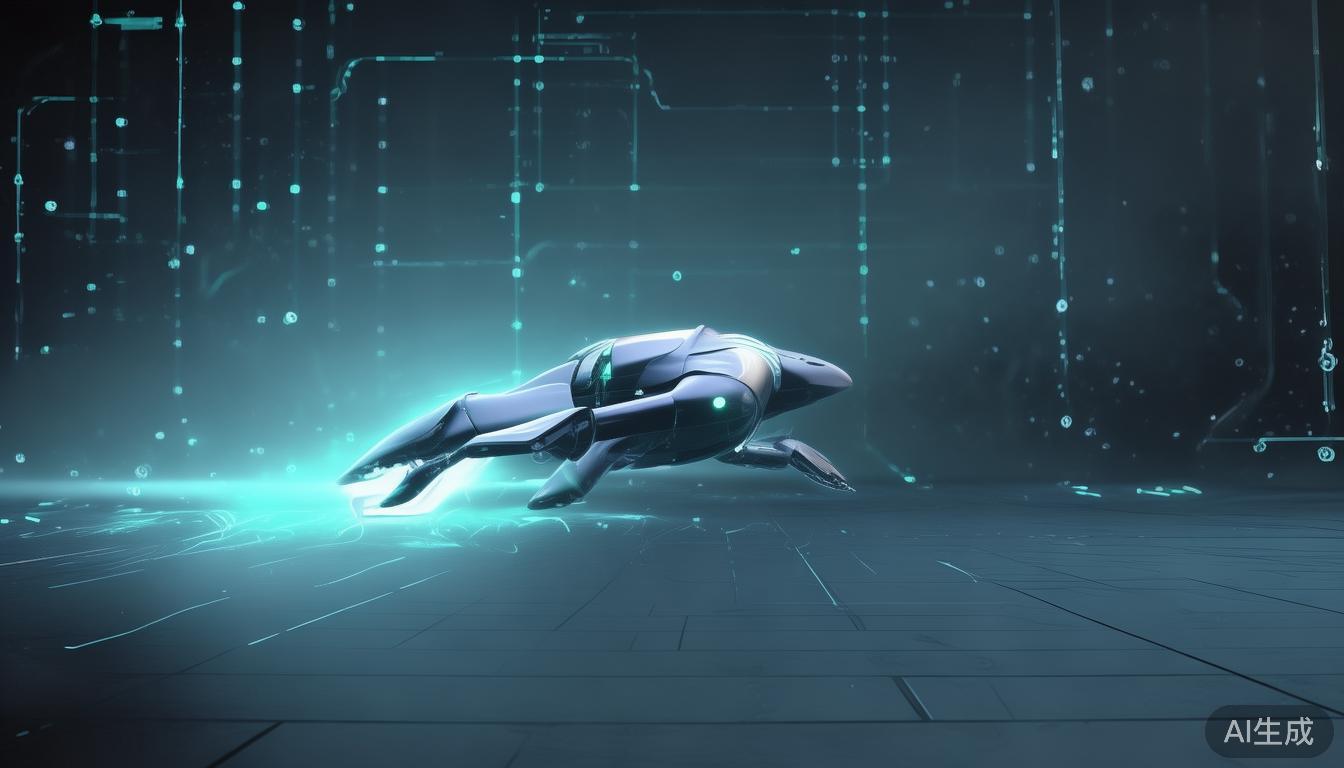
浮动伴侣:为室内环境设计软体浮动机器人
机器人领域始终由创新驱动,而软体机器人的最新进展则开辟了一个引人入胜的新前沿:能够在复杂室内环境中浮动和导航的机器。在一项题为《浮动伴侣:探索室内软体浮动机器人设计空间》的开创性研究中,研究人员深入探讨了创造能够在日常生活中协助人类的软体、浮动机器人的设计挑战与可能性。这次探索不仅关乎制造新机器,更在于重新思考机器人如何以更直观、更不显眼的方式与我们的环境互动。
软体机器人的崛起
在深入探讨浮动机器人的具体细节之前,理解软体机器人的重要性至关重要。与传统刚性机器人不同,软体机器人由柔性材料制成,能够弯曲、扭转和拉伸。这种设计使它们能够适应不平整的表面,安全地与人互动,并在刚性机器人难以作业的环境中完成任务。近年来,该领域取得了显著进展,应用范围从医疗设备到灾害响应机器人。
为什么需要软体浮动机器人?
室内环境对机器人提出了独特的挑战。与通常开放且可预测的室外空间不同,室内空间往往杂乱、动态且通常具有有限的入口点。能够浮动的机器人可以轻松导航这些空间,避开障碍物并提供必要的协助。想象一下,一个能在您家中浮动的机器人,帮助您传递物品或将您从一间房间引导到另一间房间。这种程度的互动将远比当前刚性机器人所能提供的更为无缝。
针对浮力与移动性的设计
创造能够在室内浮动和移动的机器人,并不仅仅是使其轻巧。它涉及材料、能源系统和控制机制之间复杂的相互作用。该研究详细探讨了这些方面,为工程师设计高效且有效的浮动机器人提供了见解。
材料与结构
任何软体浮动机器人的基础都在于其材料。传统刚性机器人通常由金属或硬质塑料制成,可能笨重且易碎。而软体机器人则通常由硅胶、泡沫和弹性体等材料构建。这些材料提供了多项优势:
- 柔韧性:它们可以弯曲和扭转以导航狭窄的空间。
- 耐用性:它们可以承受冲击而不会破裂。
- 安全性:如果与人接触,它们不太可能造成伤害。
在浮动机器人的背景下,材料的选择更为关键。机器人需要足够浮力才能漂浮,同时仍需足够轻便才能平稳移动。一种方法是使用内部嵌入气孔的材料,创建一种既轻便又浮力的结构。
能源系统
浮动机器人需要一个可靠的能源来为其运动和传感器供电。与依赖重型电池的传统机器人不同,软体浮动机器人可以利用与其设计更集成替代能源系统。例如,某些设计结合了压电材料,可以从运动中产生电能。其他人则使用太阳能电池板来利用室内照明获取能量。
以下是一个简单的示例,说明压电能源系统如何集成到软体机器人中:
class PiezoelectricEngine:
    def __init__(self, efficiency, max_power):
        self.efficiency = efficiency
        self.max_power = max_power

    def generate_power(self, movement):
        power_generated = movement * self.efficiency
        if power_generated > self.max_power:
            power_generated = self.max_power
        return power_generated
在此代码片段中,PiezoelectricEngine类展示了如何将运动转换为电能。efficiency属性决定了多少运动能被转换为可用电能,而max_power属性则限制了可产生的最大电能。
控制机制
即使是最先进的材料和能源系统,如果没有强大的控制机制也毫无用处。浮动机器人需要能够自主导航,避开障碍物并响应环境变化。这需要复杂的传感器和算法。
一个关键挑战是确保机器人在移动时能保持浮力。这需要仔细平衡机器人结构中空气和其他流体的分布。算法必须考虑重力、水阻以及机器人自身的运动等因素,以使其保持浮力和稳定性。
应用与影响
软体浮动机器人的潜在应用广泛多样。以下是它们可能产生重大影响的几个领域:
医疗保健
浮动机器人可以彻底改变医院和家庭中的患者护理。它们可以传递药物、监测生命体征,甚至协助物理治疗。它们柔软、灵活的特性使它们成为与可能虚弱或卧床不起的患者互动的理想选择。
家庭辅助
在我们的日常生活中,浮动机器人可以执行各种任务,从取物到帮助做家务。想象一个能在各房间间浮动的机器人,根据需要回答问题或协助任务。这种程度的协助将显著提高许多人的生活质量。
教育
浮动机器人也可以用于教育环境,提供互动和引人入胜的学习体验。它们可以引导学生完成课程、演示概念,甚至玩教育游戏。它们自由移动并能在非威胁性方式与学生互动的能力,将使它们成为课堂上的宝贵工具。
挑战与未来方向
尽管软体浮动机器人具有广阔的潜力,但仍存在重大挑战需要解决。最大的障碍之一是确保这些机器人的安全性和可靠性。它们必须在动态环境中安全运行,不会对自己或他人造成伤害。
另一个挑战是制造这些机器人的成本和复杂性。当前设计通常需要特殊材料和复杂的制造工艺,使得它们生产成本高昂且耗时。随着该领域的成熟,开发更具成本效益和可扩展的制造技术至关重要。
安全性与可靠性
确保浮动机器人的安全性和可靠性至关重要。这涉及严格的测试和验证,以确保它们能在各种环境中安全运行。此外,开发能在紧急情况下关闭机器人的安全机制也至关重要。
制造创新
为了使软体浮动机器人更具可及性,研究人员正在探索新的制造技术。3D打印已显示出在快速且经济高效地创建复杂软体机器人结构方面的巨大潜力。其他方法,如注塑成型,正在被研究以进一步简化制造过程。
总结
在室内环境中探索软体浮动机器人代表了机器人领域的重大飞跃。通过结合创新材料、能源系统和控制机制,研究人员正在为能够无缝集成到我们日常生活的机器人铺平道路。尽管存在挑战,但潜在益处是巨大的。随着技术的成熟,我们可以期待看到浮动机器人在家庭、医院等地方协助我们,使我们的生活更轻松、更愉快。机器人未来的趋势是柔软、浮力十足且充满无限可能。
Floating Companion: Designing Soft Floating Robots for Indoor Environments
The world of robotics has always been driven by innovation, but recent advancements in soft robotics have opened up a fascinating new frontier: machines that can float and navigate complex indoor environments. In a groundbreaking study titled "Floating Companion: Exploring Design Space for Soft Floating Robots in Indoor," researchers delve into the design challenges and possibilities of creating soft, buoyant robots capable of assisting humans in everyday settings. This exploration isn't just about building new machines; it's about rethinking how robots can interact with our environment in a more intuitive and unobtrusive way.
The Rise of Soft Robotics
Before diving into the specifics of floating robots, it's essential to understand the significance of soft robotics. Unlike traditional rigid robots, soft robots are made from flexible materials that can bend, twist, and stretch. This design allows them to adapt to uneven surfaces, interact safely with humans, and perform tasks in environments where rigid robots would struggle. The field has seen remarkable progress in recent years, with applications ranging from medical devices to disaster response robots.
Why Soft Floating Robots?
Indoor environments present unique challenges for robotics. Unlike outdoor spaces, which are often open and predictable, indoor spaces are cluttered, dynamic, and often have limited access points. A robot that can float could navigate these spaces with ease, avoiding obstacles and providing assistance where needed. Imagine a robot that can float in your home, helping with tasks like delivering items or guiding you from one room to another. This level of interaction would be far more seamless than what current rigid robots can offer.
Designing for Buoyancy and Mobility
Creating a robot that can float and move indoors isn't just about making it lightweight. It involves a complex interplay of materials, energy systems, and control mechanisms. The study explores these aspects in detail, providing insights into how engineers can design floating robots that are both efficient and effective.
Materials and Structures
The foundation of any soft floating robot lies in its materials. Traditional rigid robots are often made from metals or hard plastics, which can be cumbersome and fragile. Soft robots, on the other hand, are typically constructed from materials like silicone, foam, and elastomers. These materials offer several advantages:
- Flexibility: They can bend and twist to navigate tight spaces.
- Durability: They can withstand impacts without breaking.
- Safety: They are less likely to cause injury if they come into contact with humans.
In the context of floating robots, the choice of materials is even more critical. The robot needs to be buoyant enough to stay afloat while still being lightweight enough to move smoothly. One approach is to use materials with air pockets embedded within them, creating a structure that is both lightweight and buoyant.
Energy Systems
A floating robot needs a reliable energy source to power its movements and sensors. Unlike traditional robots that rely on heavy batteries, soft floating robots can leverage alternative energy systems that are more integrated into their design. For example, some designs incorporate piezoelectric materials that can generate electricity from movement. Others use solar panels to harness energy from indoor lighting.
Here's a simple example of how a piezoelectric energy system might be integrated into a soft robot:
class PiezoelectricEngine:
    def __init__(self, efficiency, max_power):
        self.efficiency = efficiency
        self.max_power = max_power

    def generate_power(self, movement):
        power_generated = movement * self.efficiency
        if power_generated > self.max_power:
            power_generated = self.max_power
        return power_generated
In this snippet, the PiezoelectricEngine class models how movement can be converted into electrical power. The efficiency attribute determines how much of the movement is converted into usable power, and the max_power attribute caps the amount of power that can be generated.
Control Mechanisms
Even the most advanced materials and energy systems are useless without a robust control mechanism. Floating robots need to be able to navigate autonomously, avoiding obstacles and responding to changes in their environment. This requires sophisticated sensors and algorithms.
One key challenge is ensuring that the robot can maintain its buoyancy while moving. This involves carefully balancing the distribution of air and other fluids within the robot's structure. Algorithms must account for factors like gravity, water resistance, and the robot's own movements to keep it afloat and stable.
Applications and Implications
The potential applications of soft floating robots are vast and varied. Here are a few areas where they could make a significant impact:
Healthcare
Floating robots could revolutionize patient care in hospitals and homes. They could deliver medications, monitor vital signs, or even assist with physical therapy. Their soft, flexible nature makes them ideal for interacting with patients who may be frail or bedridden.
Home Assistance
In our daily lives, floating robots could perform a wide range of tasks, from fetching items to helping with household chores. Imagine a robot that can float from room to room, answering questions or assisting with tasks as needed. This level of assistance could significantly improve the quality of life for many people.
Education
Floating robots could also be used in educational settings, providing interactive and engaging learning experiences. They could guide students through lessons, demonstrate concepts, or even play educational games. Their ability to move freely and interact with students in a non-threatening way would make them valuable tools in the classroom.
Challenges and Future Directions
Despite the promising potential of soft floating robots, there are significant challenges that need to be addressed. One of the biggest hurdles is ensuring that these robots are safe and reliable. They must be able to operate in dynamic environments without causing harm to themselves or others.
Another challenge is the cost and complexity of manufacturing these robots. Current designs often require specialized materials and intricate fabrication processes, making them expensive and time-consuming to produce. As the field matures, it will be crucial to develop more cost-effective and scalable manufacturing techniques.
Safety and Reliability
Ensuring the safety and reliability of floating robots is paramount. This involves rigorous testing and validation to ensure that they can operate safely in a variety of environments. Additionally, it will be important to develop fail-safe mechanisms that can shut down the robot in case of an emergency.
Manufacturing Innovations
To make soft floating robots more accessible, researchers are exploring new manufacturing techniques. 3D printing, for example, has shown great promise in creating complex soft robot structures quickly and cost-effectively. Other approaches, such as injection molding, are being investigated to further streamline the manufacturing process.
Takeaway
The exploration of soft floating robots in indoor environments represents a significant leap forward in the field of robotics. By combining innovative materials, energy systems, and control mechanisms, researchers are paving the way for robots that can seamlessly integrate into our daily lives. While there are challenges to overcome, the potential benefits are immense. As the technology matures, we can expect to see floating robots assisting us in homes, hospitals, and beyond, making our lives easier and more enjoyable. The future of robotics is soft, buoyant, and full of possibilities.