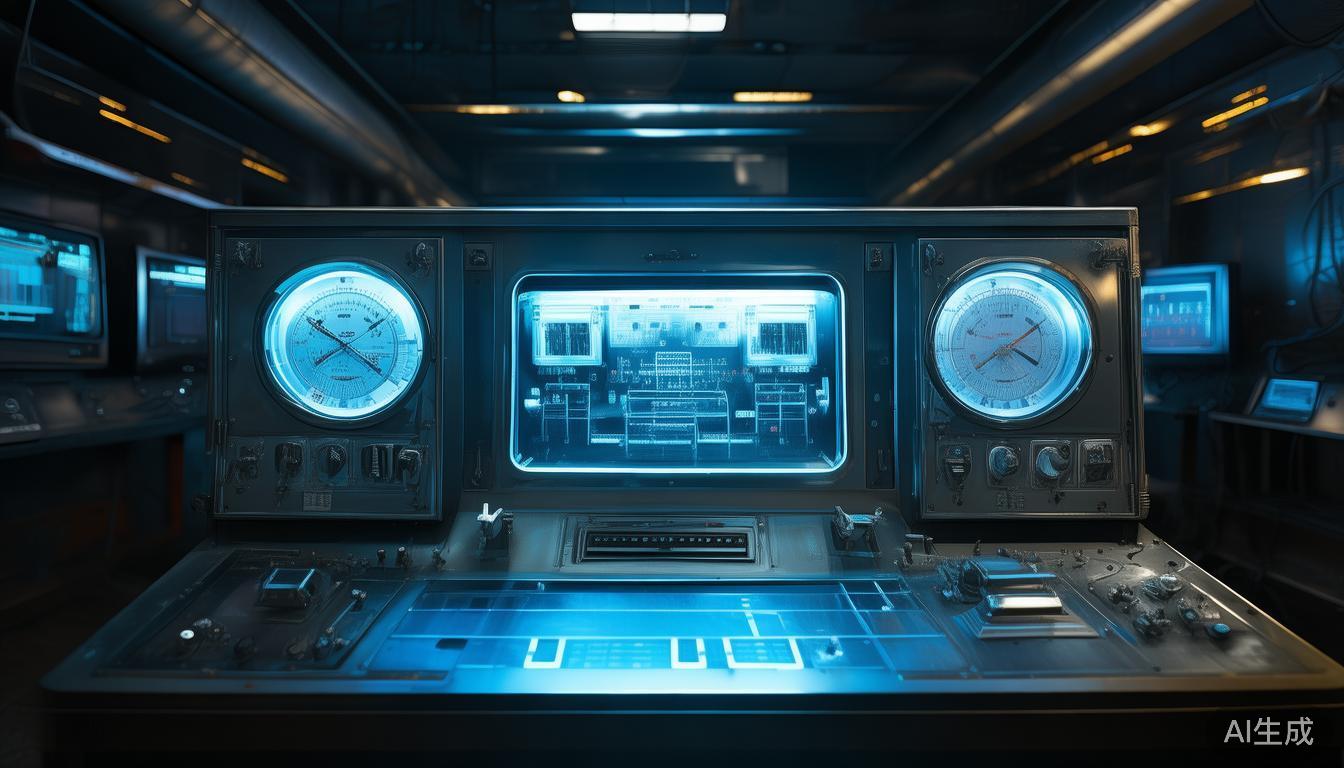
苏联控制室的复古优雅
苏联,一个政治和技术雄心的消逝时代,留下的遗产远超其历史足迹。虽然人们常记住它的意识形态斗争和冷战紧张局势,但苏联也创造了许多建筑和设计奇迹,至今仍吸引着现代观众。在这些奇迹中,苏联时期设施的控制室尤为突出,它们是功能、美学和技术实力的独特融合的证明。这些空间,曾是航天探索到核能等行业的神经中枢,如今已成为设计爱好者和历史学家都感兴趣的主题。
美学与功能的和谐
苏联控制室不仅是功能性空间;它们的设计体现了那个时代的宏伟和目标,反映了时代的乐观主义和雄心。当时的设计理念强调清晰、高效,以及技术与人类环境的和谐融合。这在详细的布局、高质量材料的使用以及对硬件和周围装饰的细节关注中都有体现。
以拜科努尔航天发射场控制室为例,这是人类航天史上的历史性场所。该控制室是旋钮、按钮和屏幕的交响乐,所有设备都排列得让操作员能够轻松监控和控制复杂系统。以灰色和蓝色为主色调的配色方案营造出一种平静而专注的氛围,而光滑的抛光表面则反映出一种精确和控制的感。
技术与设计的交汇
那个时代的技术是尖端的,这些控制室的设计往往由整合这种技术的需求驱动。结果是既实用又美观的空间。考虑一下许多控制室墙上使用的巨大模拟显示屏。这些显示屏,以其复杂的线路和发光的真空管,不仅是监控系统工具;它们也是艺术品。
以下是典型苏联控制室中可能发现的内容片段:
- 墙上安装的大型模拟显示屏,配有旋转旋钮和发光指示器
- 定制的控制面板,带有触觉按钮和开关
- 用于各种系统(例如遥测、通信、电力分配)的详细监控站
- 高品质隔音以最大程度减少外部噪音和干扰
这些控制室的设计也反映了苏联对创新的承诺。例如,模块化组件的使用允许灵活性和适应性,确保控制室能够随着技术的发展而轻松更新或扩展。
遗产与影响
苏联控制室的设计原则对现代控制室设计产生了持久的影响。清晰性的强调、高质量材料的使用以及技术融入人类环境等元素至今仍然相关。事实上,许多现代控制室都从其苏联前辈那里汲取灵感,认识到一个精心设计的空间可以增强运营效率的价值。
苏联控制室的遗产还可以从它们被保护和改造的方式中看到。许多这些空间已被改造成博物馆、教育中心,甚至旅游景点。它们提醒我们一个消逝的时代,并让我们一窥苏联的技术成就。
文化意义
除了技术和设计的优点,苏联控制室还具有文化意义。它们是那个时代雄心和追求卓越的象征。例如,拜科努尔航天发射场的控制室不仅是发射航天任务的地方;它是一个文化象征,代表了人类探索未知的精神追求。
这些控制室也反映了苏联对集体努力和集体成就的重视。这些空间的设计是为了将一组专家聚集在一起,促进协作,并确保团队中的每个成员都有明确的角色和清晰的总体操作视图。这种设计理念强调了团队合作和协调在实现复杂目标中的重要性。
保护和欣赏
在数字技术很大程度上取代了模拟系统的时代,苏联控制室的保存既具有挑战性也具有重要意义。这些空间不仅是历史文物;它们也是仍然与当今相关的设计哲学的活生生的例子。保护和修复这些控制室的努力对于确保其遗产继续激励下一代至关重要。
对于那些有兴趣亲身体验苏联控制室的复古美的人,有几个机会。例如,拜科努尔航天发射场提供包括参观历史控制室在内的游览。同样,世界各地的博物馆和教育机构可能设有展览或模拟,让游客体验这些独特空间。
总结
苏联控制室代表了技术、设计和文化的有趣交汇点。它们是既考虑功能又考虑美学的空间,反映了雄心勃勃和创新的时代。它们的遗产继续影响着现代控制室设计,而它们的文化意义确保它们仍然是灵感和奇迹的源泉。当我们回顾这些空间时,我们记起了设计增强人类成就的力量,以及精心设计环境的持久价值。
The Vintage Elegance of Soviet Control Rooms
The Soviet Union, a bygone era of political and technological ambition, left behind a legacy that extends far beyond its historical footprint. While often remembered for its ideological battles and Cold War tensions, the USSR also produced a wealth of architectural and design marvels that continue to captivate modern audiences. Among these, the control rooms of Soviet-era facilities stand out as testaments to a unique blend of functionality, aesthetics, and technological prowess. These spaces, once the nerve centers of industries ranging from space exploration to nuclear power, now serve as a fascinating subject for design enthusiasts and historians alike.
Aesthetic and Functional Harmony
Soviet control rooms were not merely functional spaces; they were designed with a sense of grandeur and purpose that reflected the era's optimism and ambition. The design philosophy of the time emphasized clarity, efficiency, and a harmonious integration of technology with the human environment. This is evident in the detailed layouts, the use of high-quality materials, and the meticulous attention to detail in both the hardware and the surrounding décor.
Take, for example, the control room of the Baikonur Cosmodrome, the historic site of human spaceflight. The room is a symphony of dials, buttons, and screens, all arranged in a way that allows operators to monitor and control complex systems with ease. The color scheme, dominated by shades of gray and blue, creates a calming yet focused atmosphere, while the sleek, polished surfaces reflect a sense of precision and control.
The Intersection of Technology and Design
The technology of the time was cutting-edge, and the design of these control rooms was often driven by the need to house and integrate this technology seamlessly. The result was a space that was both functional and aesthetically pleasing. Consider the use of large, analog displays that dominated the walls of many control rooms. These displays, with their intricate wiring and glowing vacuum tubes, were not just tools for monitoring systems; they were also works of art.
Here’s a snippet of what one might find in a typical Soviet control room:
- Large, wall-mounted analog displays with rotating dials and glowing indicators
- Custom-built control panels with tactile buttons and switches
- Detailed monitoring stations for various systems (e.g., telemetry, communication, power distribution)
- High-quality soundproofing to minimize external noise and distractions
The design of these control rooms also reflected the Soviet Union's commitment to innovation. For instance, the use of modular components allowed for flexibility and adaptability, ensuring that the control rooms could be easily updated or expanded as technology evolved.
Legacy and Influence
The design principles of Soviet control rooms have had a lasting influence on modern control room design. Elements such as the emphasis on clarity, the use of high-quality materials, and the integration of technology into the human environment are still relevant today. In fact, many contemporary control rooms draw inspiration from their Soviet predecessors, recognizing the value of a well-designed space that enhances operational efficiency.
The legacy of Soviet control rooms can also be seen in the way they have been preserved and repurposed. Many of these spaces have been converted into museums, educational centers, or even tourist attractions. They serve as a reminder of a bygone era and offer a glimpse into the technological achievements of the Soviet Union.
The Cultural Significance
Beyond their technological and design merits, Soviet control rooms hold cultural significance. They are symbols of the era's ambition and its pursuit of excellence. The control room of the Baikonur Cosmodrome, for instance, is not just a place where space missions were launched; it is a cultural icon that represents the human spirit's quest to explore the unknown.
The control rooms also reflect the Soviet Union's emphasis on communal effort and collective achievement. These spaces were designed to bring together a team of specialists, fostering collaboration and ensuring that every member of the team had a clear role and a clear view of the overall operation. This design philosophy underscores the importance of teamwork and coordination in achieving complex goals.
Preservation and Appreciation
In an age where digital technology has largely replaced analog systems, the preservation of Soviet control rooms is both challenging and important. These spaces are not just historical artifacts; they are also living examples of a design philosophy that is still relevant today. Efforts to preserve and restore these control rooms are essential for ensuring that their legacy continues to inspire future generations.
For those interested in experiencing the vintage beauty of Soviet control rooms firsthand, there are several opportunities. The Baikonur Cosmodrome, for instance, offers tours that include visits to the historic control rooms. Similarly, museums and educational institutions around the world may have exhibits or simulations that allow visitors to experience these unique spaces.
Takeaway
Soviet control rooms represent a fascinating intersection of technology, design, and culture. They were spaces that were designed with both functionality and aesthetics in mind, reflecting an era of ambition and innovation. Their legacy continues to influence modern control room design, and their cultural significance ensures that they remain a source of inspiration and wonder. As we look back on these spaces, we are reminded of the power of design to enhance human achievement and of the enduring value of a well-crafted environment.