核心存储器:探秘20世纪80年代航天实验室计算机的内核
计算机的发展史是一幅由创新、需求与纯粹智慧交织而成的织锦。在这段历史中最引人入胜的篇章之一便是核心存储器——这项技术虽然外观笨拙,且以今日标准衡量容量有限,却在早期计算机发展中扮演了关键角色,特别是在太空探索等严苛环境中。Righto在Hacker News上的最新发现,揭示了一件来自1980年航天实验室计算机的惊人硬件,提醒我们实现太空旅行的卓越工程。
核心存储器的朴实力量
核心存储器诞生于20世纪40年代末,并在60年代和70年代得到广泛应用。在当时,它是一项突破性技术。与它之前的真空管以及之后的半导体存储器不同,核心存储器使用称为“磁芯”的小型、环形磁性部件来存储数据。每个磁芯可以存储一个比特信息,即0或1,这取决于磁芯内部磁场的方向。这一概念的简单性掩盖了其实施的复杂性,需要精确的布线和仔细的定时才能可靠地读写数据。
航天实验室计算机是NASA航天飞机计划的一部分,设计用于在太空恶劣环境下执行复杂的科学计算。Hacker News帖子中展示的核心存储器模块,是这种应用所需可靠性和坚固性的证明。与当今我们使用的易失性RAM不同,核心存储器在断电时仍能保持数据,使其成为数据完整性至关重要的应用的理想选择。
深入了解航天实验室核心存储器
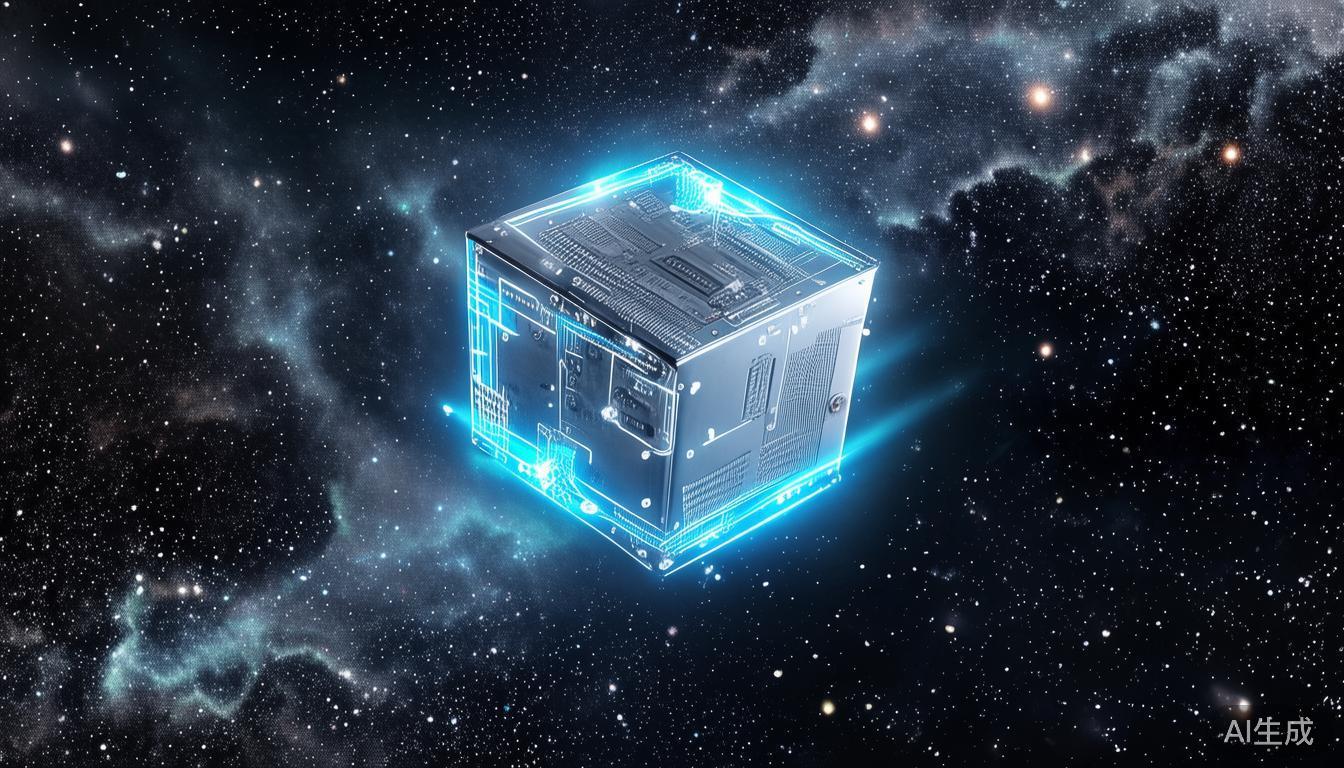
Righto的发现为我们提供了一个近距离观察1980年航天实验室计算机核心存储器模块的机会。图像揭示了其复杂的布线和磁芯的密集排列,肉眼几乎难以看清。该模块在当时堪称微型化奇迹,每个磁芯直径仅几毫米。如此小空间内塞入如此多的磁芯,突显了设计它的工程师们的技术实力。
由IBM制造的航天实验室计算机,在其时代是一台复杂的机器。它采用64位架构,并以今日标准看来缓慢的时钟速度运行。然而,对于它设计要执行的任务——例如分析航天飞机上实验产生的科学数据——它的能力令人惊叹。核心存储器模块是关键组件,提供了处理这些实验产生的大量数据所需的存储空间。
核心存储器的遗产
虽然核心存储器已被DRAM和NAND闪存等半导体存储器技术取代,但它对计算机史的影响不可否认。核心存储器的发展推动了存储密度和可靠性的界限,为今日我们依赖的更先进的存储器技术铺平了道路。此外,从设计和制造核心存储器中学到的经验——如冗余、纠错和热管理的重要性——继续影响着现代存储器设计。
航天实验室核心存储器模块不仅是一件硬件,它象征着早期太空探索所体现的创造力和决心。它代表了一个工程师们面临重大挑战并凭借创造力和辛勤工作克服挑战的时代。如今,这件硬件提醒我们现代计算的基础。
代码片段和示例
为了理解与核心存储器工作的复杂性,让我们考虑一个假设的例子,说明数据如何写入和从核心存储器模块读取。虽然实际实现要复杂得多,但这个片段展示了所涉及的基本操作。
; 将一个字节写入核心存储器
MOV AL, 0x55          ; 将要写入的字节加载到AL
MOV BX, 0x1000        ; 设置要写入的内存地址
CALL WRITE_CORE_MEMORY ; 调用子程序写入核心存储器

; 从核心存储器读取一个字节
MOV BX, 0x1000        ; 设置要读取的内存地址
CALL READ_CORE_MEMORY ; 调用子程序读取核心存储器
在这个例子中,WRITE_CORE_MEMORY和READ_CORE_MEMORY是处理写入和读取核心存储器低级操作的子程序。这些子程序需要精确控制磁芯内的磁场,以确保准确的数据存储和检索。
这意味着什么
航天实验室核心存储器模块的发现不仅是有趣的史实发现;它是一份强大的提醒,记录了推动计算和太空探索进步的创造力和韧性。核心存储器虽然已成为过去时代的遗物,但它代表了技术演变中的一个重要里程碑。它展示了当人类智慧面临非凡挑战时能够取得的成就。
对于任何对计算史和早期工程师开拓性工作感兴趣的人来说,这件硬件是一笔丰富的见解宝藏。它是一个有形的纽带,将我们与过去联系起来,提醒我们现代技术的基础。随着我们继续推动可能的边界,核心存储器所体现的创新精神和创新精神,与几十年前一样,至今仍然至关重要。
摘要
航天实验室核心存储器模块是一件非凡的遗物,突显了早期计算工程师的创造力和韧性。它代表了一个创新和需求驱动技术发展的时代,这些技术虽然现已过时,但为现代计算奠定了基础。这件硬件不仅是一件过去的遗物;它是人类精神探索和推动可能极限的象征。
Core Memory: A Glimpse into the Heart of a 1980s Spacelab Computer
The evolution of computing is a tapestry woven with threads of innovation, necessity, and sheer ingenuity. Among the most fascinating chapters in this story is the era of core memory—a technology that, despite its clunky appearance and limited capacity by today's standards, played a pivotal role in early computing, particularly in the demanding environments of space exploration. A recent discovery by Righto on Hacker News has brought to light a stunning piece of hardware from a 1980 Spacelab computer, reminding us of the remarkable engineering that made space travel possible.
The Unassuming Power of Core Memory
Core memory, developed in the late 1940s and widely used through the 1960s and 1970s, was a groundbreaking technology for its time. Unlike the vacuum tubes that preceded it and the semiconductor memory that followed, core memory used small, magnetic doughnut-shaped rings called "cores" to store data. Each core could hold a single bit of information, either a 0 or a 1, depending on the direction of the magnetic field within the core. The simplicity of this concept belies the complexity of its implementation, which required precise wiring and careful timing to read and write data reliably.
The Spacelab computer, a part of NASA's Space Shuttle program, was designed to perform complex scientific calculations in the harsh conditions of space. The core memory module featured in the Hacker News post is a testament to the reliability and robustness required for such applications. Unlike the volatile RAM we use today, core memory retained its data even when power was removed, making it ideal for applications where data integrity was paramount.
A Closer Look at the Spacelab Core Memory
Righto's discovery provides an up-close look at a core memory module from a 1980 Spacelab computer. The image reveals the intricate wiring and the dense packing of the cores, which are barely visible to the naked eye. The module is a marvel of miniaturization for its time, with each core measuring just a few millimeters across. The sheer number of cores packed into such a small space underscores the technical prowess of the engineers who designed it.
The Spacelab computer, built by IBM, was a sophisticated machine for its era. It featured a 64-bit architecture and operated at clock speeds that would seem glacial by today's standards. However, for the tasks it was designed to perform—such as analyzing scientific data from experiments on the Space Shuttle—its capabilities were remarkable. The core memory module was a critical component, providing the storage needed to handle the large amounts of data generated by these experiments.
The Legacy of Core Memory
While core memory has been largely supplanted by semiconductor memory technologies like DRAM and NAND flash, its impact on computing history is undeniable. The development of core memory pushed the boundaries of what was possible in terms of storage density and reliability, paving the way for the more advanced memory technologies we rely on today. Moreover, the lessons learned from designing and building core memory—such as the importance of redundancy, error correction, and thermal management—continue to influence modern memory design.
The Spacelab core memory module is not just a piece of hardware; it's a symbol of the ingenuity and determination that characterized the early days of space exploration. It represents a time when engineers faced significant challenges and overcame them with creativity and hard work. Today, this hardware serves as a reminder of the foundations upon which modern computing is built.
Code Snippets and Examples
To appreciate the complexity of working with core memory, let's consider a hypothetical example of how data might be written to and read from a core memory module. While the actual implementation would be far more intricate, this snippet gives a basic idea of the operations involved.
; Writing a byte to core memory
MOV AL, 0x55          ; Load the byte to write into AL
MOV BX, 0x1000        ; Set the memory address to write to
CALL WRITE_CORE_MEMORY ; Call the subroutine to write to core memory

; Reading a byte from core memory
MOV BX, 0x1000        ; Set the memory address to read from
CALL READ_CORE_MEMORY ; Call the subroutine to read from core memory
In this example, WRITE_CORE_MEMORY and READ_CORE_MEMORY are subroutines that handle the low-level operations of writing to and reading from the core memory. These subroutines would involve precise control of the magnetic fields within the cores to ensure accurate data storage and retrieval.
What This Means
The discovery of the Spacelab core memory module is more than just an interesting historical find; it's a powerful reminder of the ingenuity and resilience that have driven the progress of computing and space exploration. Core memory, though now a relic of a bygone era, represents a significant milestone in the evolution of technology. It demonstrates what can be achieved when human ingenuity meets the demands of extraordinary challenges.
For anyone interested in the history of computing and the pioneering efforts of early engineers, this piece of hardware is a treasure trove of insights. It serves as a tangible link to the past, reminding us of the foundations upon which modern technology is built. As we continue to push the boundaries of what is possible, the lessons and spirit of innovation embodied by core memory remain as relevant today as they were decades ago.
Takeaway
The Spacelab core memory module is a remarkable artifact that highlights the ingenuity and resilience of early computing engineers. It represents a time when innovation and necessity drove the development of technologies that, while now obsolete, laid the groundwork for modern computing. This piece of hardware is not just a relic of the past; it's a symbol of the human spirit's drive to explore and push the limits of what is possible.