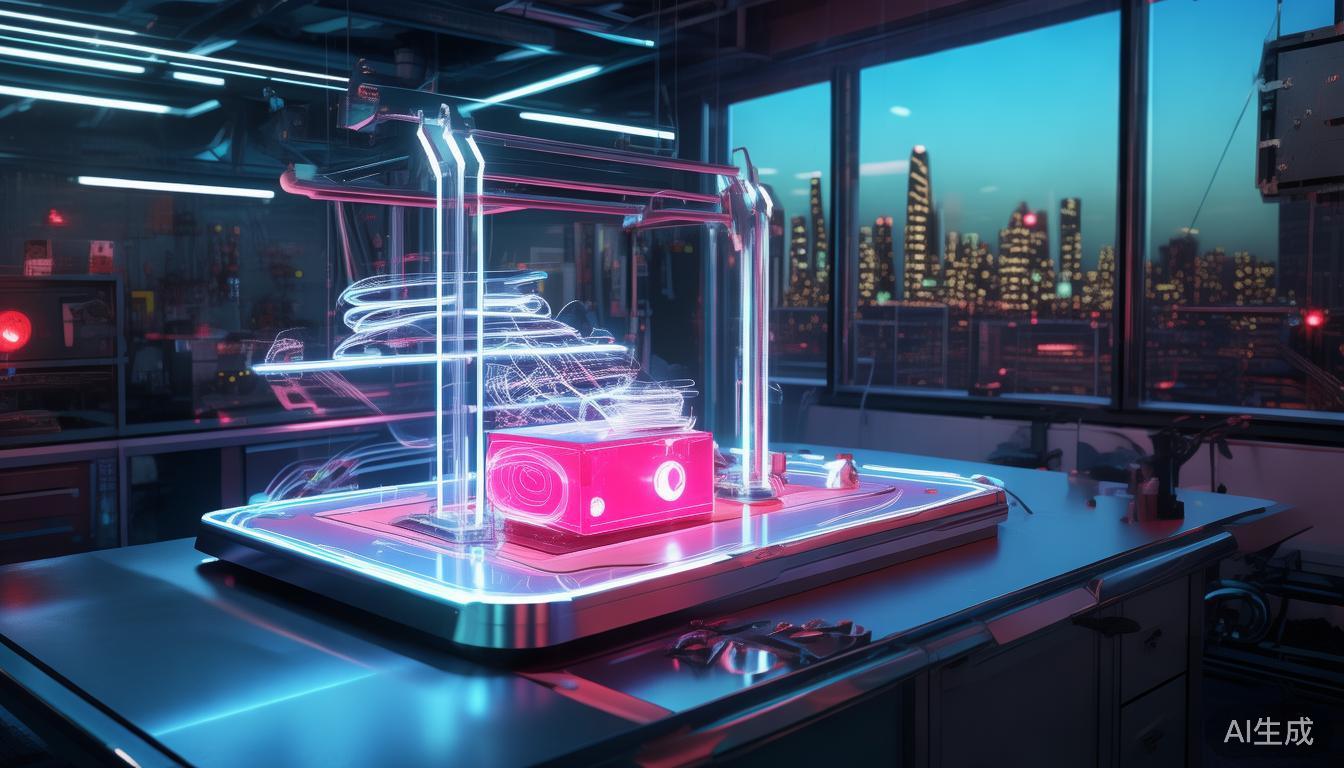
苏珊:AI革新产品设计
产品设计领域正经历一场颠覆性的变革,人工智能(AI)的进步正推动这一过程民主化,并实现前所未有的创造力。在这场变革中走在前列的是苏珊——一款AI驱动的工具,旨在将数字概念转化为现实产品,简化从设计到制造的全过程。无论你是经验丰富的设计师还是热衷于创造的业余爱好者,苏珊都提供了一种将想法变为现实的新方法,利用机器学习自动化并增强设计和制造过程中的每一个环节。
问题:弥合数字与现实的鸿沟
传统产品设计通常涉及一个费时费力且资源密集的过程。草图绘制、原型制作、3D建模和制造每个环节都需要大量的时间、专业知识和资本。这种障碍可能会扼杀创新,特别是对于缺乏大型设计团队或制造设施的小型企业、初创企业和个人创作者而言。
苏珊旨在直面这一挑战。通过将AI集成到设计流程中,它自动化了许多产品设计中最耗时的工作,让设计师能够专注于创意愿景,而不是技术细节。该平台能够根据用户输入和反馈生成和优化设计,承诺让整个过程比以往任何时候都更加直观和易于访问。
苏珊的工作原理:AI驱动的设计自动化
从本质上讲,苏珊是一个复杂的AI系统,它从大量现有设计数据集中学习,以生成新的优化概念。该工具结合了生成对抗网络(GANs)和其他机器学习技术,分析用户提供的参数,并生成满足特定要求的3D模型。
以下是该过程的简要概述:
-
输入参数:用户定义他们产品的期望特性,例如尺寸、材料、功能和美学偏好。这可以通过一个引导用户回答一系列问题的用户友好界面完成,或者通过输入现有的3D模型作为起点。
-
AI生成:苏珊的AI算法处理输入数据并生成多个设计选项。这些选项并非随机;它们是基于不同行业中成功设计中的模式和原则。
-
优化和迭代:用户可以选择最有潜力的设计并进行进一步优化。苏珊允许迭代调整,使设计师能够调整尺寸、材料和其他属性,直到设计满足他们的精确规格。
-
制造集成:一旦设计最终确定,苏珊可以促进向实际生产的过渡。它可以生成3D打印机、CNC机床和其他制造设备的工具路径,确保设计不仅可行,而且优化了生产效率。
案例:设计定制手机壳
让我们考虑一个实际案例:设计定制手机壳。传统上,这需要:
- 绘制多个迭代草图。
- 使用CAD软件创建3D模型。
- 确保设计精确匹配手机尺寸。
- 选择材料并测试耐用性。
使用苏珊,该过程将大大简化:
-
输入:用户指定手机型号和期望的手机壳材料(例如硅胶、硬塑料)。他们还可能提供美学偏好,例如偏好极简主义或大胆的图案。
-
AI生成选项:苏珊生成多个定制的手机壳设计,每个设计都符合用户的规格。AI会考虑诸如人体工学贴合度、材料特性和制造可行性等因素。
-
优化:用户选择一个他们喜欢的设计并请求调整,例如添加相机开孔或调整厚度以提供更好的保护。苏珊实时更新设计。
-
制造:一旦满意,用户可以导出最终设计并将其发送给3D打印服务或使用自己的3D打印机。
这个案例突出了苏珊如何简化原本可能复杂且耗时的任务,使其更容易被更广泛的人群接受。
影响:设计制造民主化
苏珊的潜在影响不仅限于个人创作者。小型企业可以使用该工具快速原型设计新产品,减少传统设计与制造相关的成本和时间。这种敏捷性在快速变化的市场中可以成为一个重要的竞争优势。
此外,苏珊与日益增长的按需制造趋势一致,产品仅在需要时才生产,最大限度地减少浪费并降低库存成本。通过使更多人能够设计和生产自己的产品,苏珊有助于构建一个更可持续和高效的制造生态系统。
挑战与考量
尽管前景光明,但苏珊并非没有挑战。虽然AI生成的设计具有创新性,但它们可能缺乏一些历史上最具标志性的产品所具有的微妙人文触感。此外,随着AI越来越擅长生成原创设计,确定所有权和版权的问题可能会变得复杂。
此外,该工具的有效性取决于其训练数据的质量。如果AI的训练数据有限或有偏见,其输出可能会反映这些偏见。确保多样化和具有代表性的训练数据对于创建包容性和公平的设计解决方案至关重要。
总结:这意味着什么
苏珊代表了AI与产品设计交叉领域的一项重大飞跃。通过自动化和优化设计和制造过程,它降低了创作者和企业的进入门槛。虽然挑战仍然存在,特别是在人类创造性和知识产权的作用方面,但苏珊在设计民主化方面的潜力是不可否认的。
对于设计师、业余爱好者和企业而言,像苏珊这样的工具提供了一种对未来愿景的洞察,即AI增强而非取代人类创造力。随着技术的成熟,我们可以期待看到更多复杂的应用,进一步模糊数字与现实创造的界限。
像苏珊这样的AI驱动设计工具的兴起,不仅仅是让过程更简单;它是在解锁新的可能性,并赋予更广泛的人群将他们的想法变为现实的能力。无论您是在设计手机壳、定制家具还是下一个大型消费产品,苏珊都是您从概念到创造的强大盟友。
Suzanne: Revolutionizing Product Design with AI
The landscape of product design is undergoing a seismic shift, driven by advancements in artificial intelligence (AI) that are democratizing the process and enabling unprecedented creativity. Among the pioneers in this movement is Suzanne, an AI-powered tool designed to streamline the journey from digital concept to physical reality. Whether you're a seasoned designer or a hobbyist tinkerer, Suzanne offers a novel approach to bringing your ideas to life, leveraging machine learning to automate and enhance every step of the design and manufacturing process.
The Problem: Bridging the Gap Between Digital and Physical
Traditional product design often involves a laborious and resource-intensive process. Sketching, prototyping, 3D modeling, and manufacturing each require significant time, expertise, and capital. This barrier can stifle innovation, particularly for small businesses, startups, and individual creators who lack the luxury of extensive design teams or manufacturing facilities.
Suzanne aims to address this challenge head-on. By integrating AI into the design workflow, it automates many of the most time-consuming aspects of product creation, allowing designers to focus on the creative vision rather than the technical minutiae. The platform's ability to generate and refine designs based on user input and feedback promises to make the process more intuitive and accessible than ever before.
How Suzanne Works: AI-Powered Design Automation
At its core, Suzanne is a sophisticated AI system that learns from vast datasets of existing designs to generate new, optimized concepts. The tool employs a combination of generative adversarial networks (GANs) and other machine learning techniques to analyze user-provided parameters and produce 3D models that meet specific requirements.
Here’s a glimpse into the process:
-
Input Parameters: Users define the desired characteristics of their product, such as size, material, function, and aesthetic preferences. This can be done through a user-friendly interface that guides users through a series of questions or by inputting existing 3D models as a starting point.
-
AI Generation: Suzanne’s AI algorithms process the input data and generate multiple design options. These options are not random; they are informed by patterns and principles found in successful designs across various industries.
-
Refinement and Iteration: Users can select the most promising designs and refine them further. Suzanne allows for iterative adjustments, enabling designers to tweak dimensions, materials, and other attributes until the design meets their exact specifications.
-
Manufacturing Integration: Once a design is finalized, Suzanne can facilitate the transition to physical production. It can generate toolpaths for 3D printers, CNC machines, and other manufacturing equipment, ensuring that the design is not only feasible but also optimized for production efficiency.
Example: Designing a Custom Phone Case
Let’s consider a practical example: designing a custom phone case. Traditionally, this would involve:
- Sketching multiple iterations.
- Creating a 3D model using CAD software.
- Ensuring the design fits the phone dimensions precisely.
- Selecting materials and testing for durability.
With Suzanne, the process is significantly streamlined:
-
Input: The user specifies the phone model and desired case material (e.g., silicone, hard plastic). They might also provide aesthetic preferences, such as a preference for minimalism or bold patterns.
-
AI Generates Options: Suzanne produces several phone case designs, each tailored to the user’s specifications. The AI considers factors like ergonomic fit, material properties, and manufacturing feasibility.
-
Refinement: The user selects a design they like and requests adjustments, such as adding a cutout for the camera or adjusting the thickness for better protection. Suzanne updates the design in real-time.
-
Manufacturing: Once satisfied, the user can export the final design and send it to a 3D printing service or use it with their own 3D printer.
This example highlights how Suzanne simplifies what could otherwise be a complex and time-consuming task, making it accessible to a broader audience.
The Impact: democratizing Design and Manufacturing
Suzanne’s potential impact extends beyond individual creators. Small businesses can use the tool to rapidly prototype new products, reducing the cost and time traditionally associated with design and manufacturing. This agility can be a significant competitive advantage in fast-moving markets.
Moreover, Suzanne aligns with the growing trend toward on-demand manufacturing, where products are produced only when needed, minimizing waste and reducing inventory costs. By enabling more people to design and produce their own products, Suzanne contributes to a more sustainable and efficient manufacturing ecosystem.
Challenges and Considerations
Despite its promise, Suzanne is not without its challenges. AI-generated designs, while innovative, may lack the nuanced human touch that characterizes some of the most iconic products in history. There’s also the question of intellectual property: as AI becomes more capable of generating novel designs, determining ownership and copyright can become complex.
Additionally, the tool’s effectiveness hinges on the quality of its training data. If the AI is trained on a limited or biased dataset, its outputs may reflect those biases. Ensuring diverse and representative training data is crucial for creating inclusive and equitable design solutions.
Takeaway: What This Means
Suzanne represents a significant leap forward in the intersection of AI and product design. By automating and optimizing the design and manufacturing process, it lowers barriers to entry for creators and businesses alike. While challenges remain, particularly around the role of human creativity and intellectual property, Suzanne’s potential to democratize design is undeniable.
For designers, hobbyists, and businesses, tools like Suzanne offer a glimpse into a future where AI enhances human creativity, not replaces it. As the technology matures, we can expect to see even more sophisticated applications that further blur the lines between digital and physical creation.
The rise of AI-powered design tools like Suzanne is not just about making the process easier; it’s about unlocking new possibilities and empowering a wider range of people to bring their ideas to life. Whether you’re designing a phone case, a custom piece of furniture, or the next big consumer product, Suzanne offers a powerful ally in the journey from concept to creation.