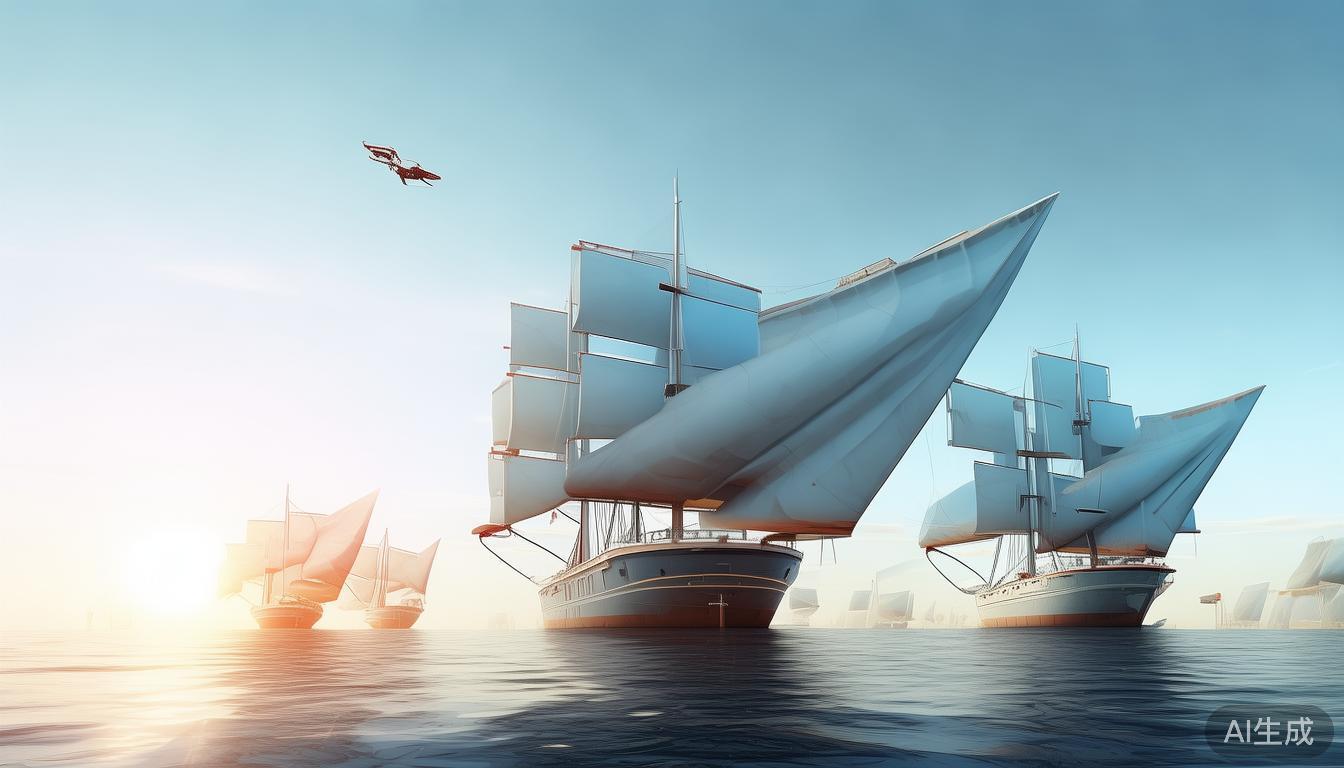
风力回归:货船正重新拥抱风能
航运业长期被柴油引擎的轰鸣所主导,如今正经历着一项古老且更可持续技术的复兴:风能。曾被视为过时时代的遗物,风助货船正卷土重来,这背后是人们对更高效、更环保的航运方式的迫切需求。这一转变并非简单的时代回潮;它将传统智慧与现代工程相结合,展现了前瞻性的发展思路。
风助航运的兴起
历史上,帆船曾统治海洋,数百年间承载着货物穿越大洋。工业革命带来了蒸汽动力,随后是柴油引擎,它们提供了前所未有的速度和可靠性。但依赖化石燃料的环境成本正变得日益不可持续。如今,航运业约占全球碳排放的3%,若不加以应对,这一数字预计将持续上升。风助航运应运而生——这是对古老概念的现代化演绎。
瑞典初创公司Windward等企业正引领着先进帆船技术在商业航运中的应用。他们的船,如Beluga SkySails号,配备了巨大的自动化帆,与传统引擎协同工作。这些帆并非摆设;它们可在长途航线上节省高达30%的燃料消耗,从而带来显著的成本节约和大幅减排。
工作原理:传统与科技的交汇
以Beluga SkySails号为例,其配备了一面160米(525英尺)的风筝帆,可产生高达600千瓦的功率,约相当于两台风力涡轮机的输出量。该帆由计算机系统自主控制,根据风力条件优化其位置,确保最大效率。该系统会考虑风速、风向以及船舶相对于目的地的位置等因素。
以下是帆位优化的简化示例:
def optimize_sail_position(wind_speed, wind_direction, ship_speed, destination):
    # 初始化帆位
    sail_position = "neutral"

    # 根据风速调整帆位
    if wind_speed > 15 m/s:
        sail_position = "full"
    elif wind_speed < 10 m/s:
        sail_position = "minimal"

    # 根据风向调整帆位
    if wind_direction == "from stern":
        sail_position = "full"
    elif wind_direction == "from side":
        sail_position = "angled"

    # 根据船舶速度和目的地调整帆位
    if ship_speed > destination要求的速度:
        sail_position = "minimal"

    return sail_position
这段代码展示了帆位优化的基本逻辑,尽管实际系统远更复杂,会整合实时数据和高级算法。其目标是利用风能,同时确保船舶高效抵达目的地。
超越可持续性的优势
风助航运的优势不仅在于减排。与传统船只相比,这些船只通常更安静,对海洋生物的干扰也更小。此外,由于燃料消耗减少,风助船的运营成本可能更低,使其成为航运公司财务可行的选择。
更重要的是,利用风能可以提升安全性。在引擎故障或燃料耗尽的情况下,帆可以作为辅助动力源,确保船舶仍能继续前进。这种双模式能力提供了传统船只难以比拟的安心感。
挑战与未来前景
尽管前景光明,风助航运仍面临挑战。该技术相对较新,将其规模化以完全取代传统航运方式是一个长期目标。维护、规模化以及与现有航运路线的整合等问题需要解决。然而,行业正在逐步克服这些障碍。
例如,结合风能与太阳能等可再生能源的风电混合船正在兴起。这些混合系统可以进一步减少对化石燃料的依赖,提高整体效率。
结语:可持续的未来已来
货船中帆能的复兴不仅是怀旧,是对昔日高桅帆船的追忆;它标志着更可持续、更具前瞻性的航运业新方向。通过结合传统风助技术与现代工程,航运业正找到在不牺牲效率的前提下减少环境影响的途径。随着Windward等公司持续创新和优化设计,航运业的未来将更加光明——也更具风能。
The Return of Sail Power: Cargo Ships Are Turning Back to the Wind
The maritime industry, long dominated by the hum of diesel engines, is undergoing a fascinating resurgence of an older, more sustainable technology: sail power. Once thought of as relics of a bygone era, wind-assisted cargo ships are making a comeback, driven by the urgent need for more efficient and environmentally friendly shipping methods. This shift isn't just a throwback to the Age of Sail; it's a forward-looking move that combines traditional ingenuity with modern engineering.
The Rise of Wind-Assisted Shipping
Historically, sail ships ruled the seas, carrying goods across oceans for centuries. The Industrial Revolution, however, brought steam power and later diesel engines, which offered unprecedented speed and reliability. But the environmental costs of fossil fuel reliance have become increasingly unsustainable. Today, the shipping industry accounts for about 3% of global carbon emissions, a figure that is projected to rise if not addressed. Enter wind-assisted shipping—a modern twist on an ancient concept.
Companies like Windward, a Swedish startup, are pioneering the use of advanced sail technology in commercial shipping. Their ships, such as the MS Beluga SkySails, are equipped with massive, automated sails that work in tandem with conventional engines. These sails aren't just for show; they can reduce fuel consumption by up to 30% on long-haul routes, translating to significant cost savings and a drastic reduction in emissions.
How It Works: The Intersection of Tradition and Technology
The MS Beluga SkySails, for instance, features a 160-meter (525-foot) kite sail that can generate up to 600 kilowatts of power, roughly equivalent to the output of two wind turbines. The sail is controlled autonomously by a computer system that optimizes its position based on wind conditions, ensuring maximum efficiency. This system takes into account factors like wind speed, direction, and the ship's position relative to its destination.
Here’s a simplified example of how the sail's positioning is optimized:
def optimize_sail_position(wind_speed, wind_direction, ship_speed, destination):
    # Initialize sail position
    sail_position = "neutral"

    # Adjust sail based on wind speed
    if wind_speed > 15 m/s:
        sail_position = "full"
    elif wind_speed < 10 m/s:
        sail_position = "minimal"

    # Adjust sail based on wind direction
    if wind_direction == "from stern":
        sail_position = "full"
    elif wind_direction == "from side":
        sail_position = "angled"

    # Adjust sail based on ship speed and destination
    if ship_speed > destination要求的速度:
        sail_position = "minimal"

    return sail_position
This code snippet illustrates the basic logic behind sail positioning, though real-world systems are far more complex, incorporating real-time data and advanced algorithms. The goal is to harness the wind's power without compromising the ship's ability to reach its destination efficiently.
Benefits Beyond Sustainability
The advantages of wind-assisted shipping extend beyond just reducing emissions. These ships are often quieter and cause less disturbance to marine life compared to traditional vessels. Additionally, the operational costs of wind-assisted ships can be lower due to reduced fuel consumption, making them a financially viable option for shipping companies.
Moreover, the use of wind power can enhance safety. In cases where engines fail or fuel supplies run low, sails can provide a supplementary power source, ensuring the ship can still make progress. This dual-mode capability offers a peace of mind that is hard to match with conventional ships.
Challenges and Future Prospects
Despite the promising outlook, wind-assisted shipping isn't without its challenges. The technology is still relatively new, and scaling it to a point where it can replace traditional shipping methods entirely is a long-term goal. Issues such as maintenance, scalability, and integration with existing shipping routes need to be addressed. However, the industry is making strides in overcoming these hurdles.
For example, the development of hybrid ships that combine wind power with other renewable energy sources, like solar panels, is gaining traction. These hybrid systems can further reduce reliance on fossil fuels and improve overall efficiency.
Takeaway: A Sustainable Future Awaits
The resurgence of sail power in cargo shipping is more than just a nostalgic throwback to the days of tall masts and billowing sails; it's a sign of a more sustainable and forward-thinking maritime industry. By combining traditional wind-assisted technology with modern engineering, the shipping sector is finding a way to reduce its environmental impact without sacrificing efficiency. As companies like Windward continue to innovate and refine their designs, the future of shipping looks brighter—and windier.