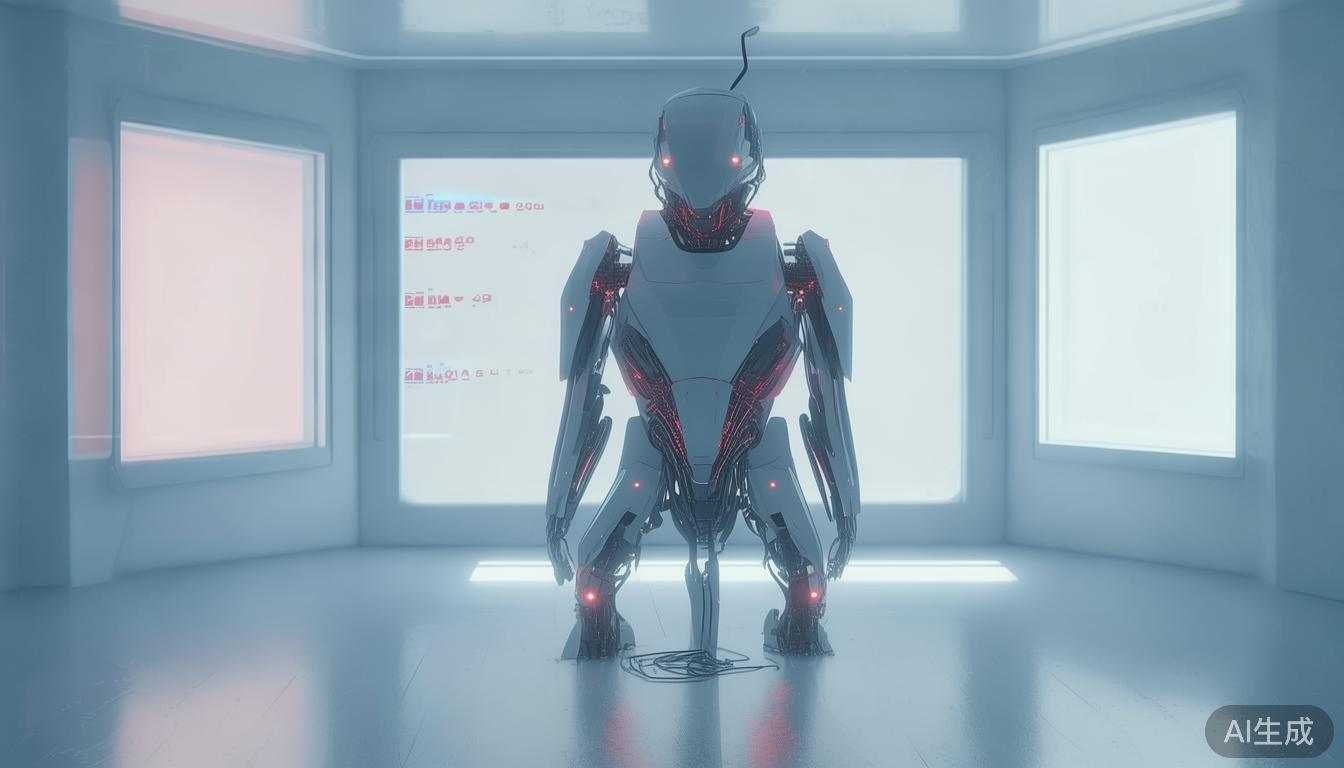
理解 AI 意图与人类期望之间的差距
人工智能已成为现代技术的基石,从客户服务到创意内容生成,它承诺解决各种问题。然而,当我们深入探索 AI 系统的功能时,一个关键性的脱节问题凸显出来——我们期望 AI 做什么,与它实际能做什么之间存在明显差距。这个差距不仅仅是小麻烦——它是一个需要开发者和使用者认真思考并采取战略性调整的根本性挑战。
AI 不匹配的本质
问题的核心在于 AI 系统的训练和优化方式。大多数现代 AI,尤其是基于机器学习的 AI,其运行原理是最大化特定指标。对于许多应用场景,这个指标是准确性——以高可靠性预测正确答案或执行预期操作。然而,准确性并不总是等同于实用性或与人类意图的一致性。
以一个简单的例子来说明:一个旨在帮助用户完成任务的 AI 聊天机器人。如果聊天机器人被优化以实现答题准确性,它可能对简单查询做出完美响应,但在理解更复杂请求的细微差别时却会失败。这并非技术本身的失败,而是开发过程中设定的优化目标的局限性。
# 以准确性优化的响应系统示例
def accuracy_optimized_response(user_query):
    # 简单的关键词匹配用于演示
    if "weather" in user_query.lower():
        return "今天天气晴朗。"
    elif "time" in user_query.lower():
        return "现在是下午 3:45。"
    else:
        return "我不明白你的问题。"
这个函数按设计工作——返回准确、预定义的响应。但当用户提出需要上下文或创造力的请求时会发生什么?该系统因以预定义模式优化准确性而无法理解潜在意图。
不匹配的后果
当 AI 系统与人类期望不一致时,会出现以下负面后果:
-
用户沮丧:当 AI 系统无法理解简单请求或提供无关响应时,用户可能会感到沮丧。
-
次优结果:依赖 AI 处理关键任务的组织可能会发现,虽然结果在技术上准确,但并未实现预期的业务目标。
-
安全风险:在某些情况下,未能完全理解用户意图的 AI 系统可能会无意中绕过安全措施,从而产生安全漏洞。
-
伦理问题:不匹配的 AI 系统有时会做出具有未预期伦理后果的决策,尤其是在处理敏感信息时。
拉近距离
为了解决这种不匹配问题,开发者和使用者需要采用更全面的 AI 开发和交互方法:
1. 重新定义优化指标
开发者不应仅关注准确性,而应考虑纳入更能反映人类意图的指标。这可能包括:
- 任务完成率:衡量 AI 成功实现用户明确目标的频率
- 用户满意度:直接来自用户对其体验的反馈
- 上下文理解能力:识别并适当响应微妙提示的能力
# 更全面的评估函数示例
def holistic_evaluation(user_query, response, context):
    # 检查响应是否回应了核心意图
    intent_met = "weather" in user_query or "time" in user_query

    # 检查响应是否与上下文相关
    context_relevance = "context" in context

    # 其他指标可能包括响应时间、信息量等

    return {
        "intent_met": intent_met,
        "context_relevance": context_relevance,
        "overall_score": (intent_met + context_relevance) / 2
    }
2. 改善人机沟通
使用者需要更好地理解如何有效地与 AI 系统沟通:
- 明确表达:在与 AI 交互时清晰说明您的意图
- 提供上下文:提供可能帮助 AI 理解您请求的额外信息
- 迭代:如果第一个响应没有帮助,尝试重新表述您的请求
3. 持续学习和适应
AI 系统应设计为通过交互逐渐改进对人类意图的理解:
- 反馈循环:实现用户可对 AI 响应提供反馈的机制
- 强化学习:使用用户反馈调整 AI 的决策过程
- 异常检测:识别 AI 持续未能满足用户期望的情况
真实应用场景
这些原则不仅是理论上的——它们在各个领域都有实际应用:
客户服务
专注于快速解决问题的 AI 驱动的客户服务系统可能会错失建立客户忠诚度的机会。通过纳入用户满意度指标和上下文理解能力,这些系统可以提供更有意义的交互。
内容创作
优先考虑字数或关键词密度而非可读性和吸引力的 AI 内容生成器会产生次优结果。通过关注用户满意度指标和人类质量标准,这些系统可以创建真正引起受众共鸣的内容。
医疗保健
在医疗保健应用中,AI 系统必须在准确性、患者安全和同理心之间取得平衡。不匹配的系统可能会在敏感的患者互动中提供技术上正确但情感上不适当的响应。
人机协作的未来
AI 与人类期望匹配的挑战不会消失——随着 AI 系统变得越来越复杂,这个问题会变得更加复杂。为了向前发展,我们需要从将 AI 视为需要“训练”的工具,转变为将其视为需要“培养”的伙伴。
这需要开发者、使用者和研究人员之间的协作方法:
- 开发者:创建更细致的评估指标和反馈机制
- 使用者:提供清晰、有上下文的指令和建设性反馈
- 研究人员:探索更好地理解人类认知的 AI 架构
总结
我们期望 AI 做什么与它实际能做什么之间的差距是一个需要开发者和使用者共同关注的根本性挑战。通过重新定义优化指标、改进沟通方法并拥抱持续学习,我们可以创建更符合人类意图的 AI 系统。这不仅仅是让 AI 更有用——它是创造真正服务于人类的技术,不仅在理论上,而且在实践中。
Understanding the Gap Between AI Intent and Human Expectations
Artificial intelligence has become a cornerstone of modern technology, promising solutions to everything from customer service to creative content generation. Yet, as we delve deeper into the capabilities of AI systems, a critical disconnect emerges between what we expect them to do and what they actually achieve. This gap isn't just a minor inconvenience—it's a fundamental challenge that requires careful consideration and strategic adjustment from both developers and users.
The Nature of AI Misalignment
At its core, the problem lies in how AI systems are trained and optimized. Most modern AI, particularly those based on machine learning, operates under the principle of maximizing a specific metric. For many applications, this metric is accuracy—predicting the correct answer or performing the desired action with high reliability. However, accuracy doesn't always equate to usefulness or alignment with human intent.
Consider a simple example: an AI chatbot designed to help users complete tasks. If the chatbot is optimized for accuracy in answering questions, it might respond perfectly to straightforward queries but fail to understand the nuances of more complex requests. This isn't necessarily a failure of the technology itself, but rather a limitation of the optimization goals that were set during development.
# Example of an accuracy-optimized response system
def accuracy_optimized_response(user_query):
    # Simple keyword matching for demonstration
    if "weather" in user_query.lower():
        return "The weather is sunny today."
    elif "time" in user_query.lower():
        return "The time is 3:45 PM."
    else:
        return "I don't understand your question."
This function works as designed—returning accurate, pre-defined responses. But what happens when a user asks a question that requires context or creativity? The system, optimized for accuracy with predefined patterns, fails to understand the underlying intent.
The Consequences of Misalignment
When AI systems don't align with human expectations, several negative consequences emerge:
-
User Frustration: Users may become frustrated when AI systems fail to understand simple requests or provide irrelevant responses.
-
Suboptimal Outcomes: Organizations relying on AI for critical tasks may find that the results, while technically accurate, don't achieve the desired business objectives.
-
Security Risks: In some cases, AI systems that don't fully understand user intent can create security vulnerabilities, as they might inadvertently bypass safeguards.
-
Ethical Concerns: Misaligned AI systems can sometimes make decisions that have unintended ethical implications, particularly when dealing with sensitive information.
Bridging the Gap
To address this misalignment, developers and users need to adopt a more holistic approach to AI development and interaction:
1. Redefining Optimization Metrics
Instead of focusing solely on accuracy, developers should consider incorporating metrics that better reflect human intent. This might include:
- Task Completion Rate: Measures how often the AI successfully fulfills the user's stated goal
- User Satisfaction: Direct feedback from users about their experience
- Contextual Understanding: Ability to recognize and respond appropriately to subtle cues
# Example of a more holistic evaluation function
def holistic_evaluation(user_query, response, context):
    # Check if the response addresses the core intent
    intent_met = "weather" in user_query or "time" in user_query

    # Check if the response is relevant to the context
    context_relevance = "context" in context

    # Additional metrics could include response time, informativeness, etc.

    return {
        "intent_met": intent_met,
        "context_relevance": context_relevance,
        "overall_score": (intent_met + context_relevance) / 2
    }
2. Improving Human-AI Communication
Users need to develop a better understanding of how to communicate with AI systems effectively:
- Be Explicit: Clearly state your intent when interacting with AI
- Provide Context: Give additional information that might help the AI understand your request
- Iterate: If the first response isn't helpful, try rephrasing your request
3. Continuous Learning and Adaptation
AI systems should be designed to learn from interactions, gradually improving their understanding of human intent:
- Feedback Loops: Implement mechanisms for users to provide feedback on AI responses
- Reinforcement Learning: Use user feedback to adjust the AI's decision-making process
- Anomaly Detection: Identify cases where the AI is consistently failing to meet user expectations
Real-World Applications
These principles aren't just theoretical—they have practical applications across various domains:
Customer Service
AI-powered customer service systems that focus solely on resolving issues quickly might miss opportunities to build customer loyalty. By incorporating metrics like user satisfaction and contextual understanding, these systems can provide more meaningful interactions.
Content Creation
AI content generators that prioritize word count or keyword density over readability and engagement will produce suboptimal results. By focusing on user satisfaction metrics and human-quality standards, these systems can create content that truly resonates with audiences.
Healthcare
In healthcare applications, AI systems must balance accuracy with patient safety and empathy. Misaligned systems might provide technically correct but emotionally inappropriate responses to sensitive patient interactions.
The Future of Human-AI Collaboration
The challenge of aligning AI with human expectations isn't going away—it's becoming more complex as AI systems become more sophisticated. To move forward, we need to shift from viewing AI as a tool to be "trained" into something more like a partner to be "developed."
This requires a collaborative approach involving:
- Developers: Creating more nuanced evaluation metrics and feedback mechanisms
- Users: Providing clear, contextual instructions and constructive feedback
- Researchers: Exploring new AI architectures that better understand human cognition
Takeaway
The gap between what we expect from AI and what it delivers is a fundamental challenge that requires attention from both developers and users. By redefining our optimization metrics, improving communication methods, and embracing continuous learning, we can create AI systems that more closely align with human intent. This isn't just about making AI more useful—it's about creating technology that truly serves humanity, not just in theory, but in practice.