输入的未来:介绍 MouthPad,一种舌控触控板
人机交互领域不断进化,寻求更直观、更便捷的方式,以弥合我们物理动作与数字指令之间的鸿沟。现在,让我们介绍 MouthPad——一种突破性设备,它将人的舌头转化为触控板,为行动不便者或希望探索控制新维度的用户提供了一种新颖的解决方案。这种创新方法不仅是一项技术奇观;它更是自适应技术潜力证明,展示了我们如何与设备互动的方式可能被重新定义。
核心概念:舌头即触控板
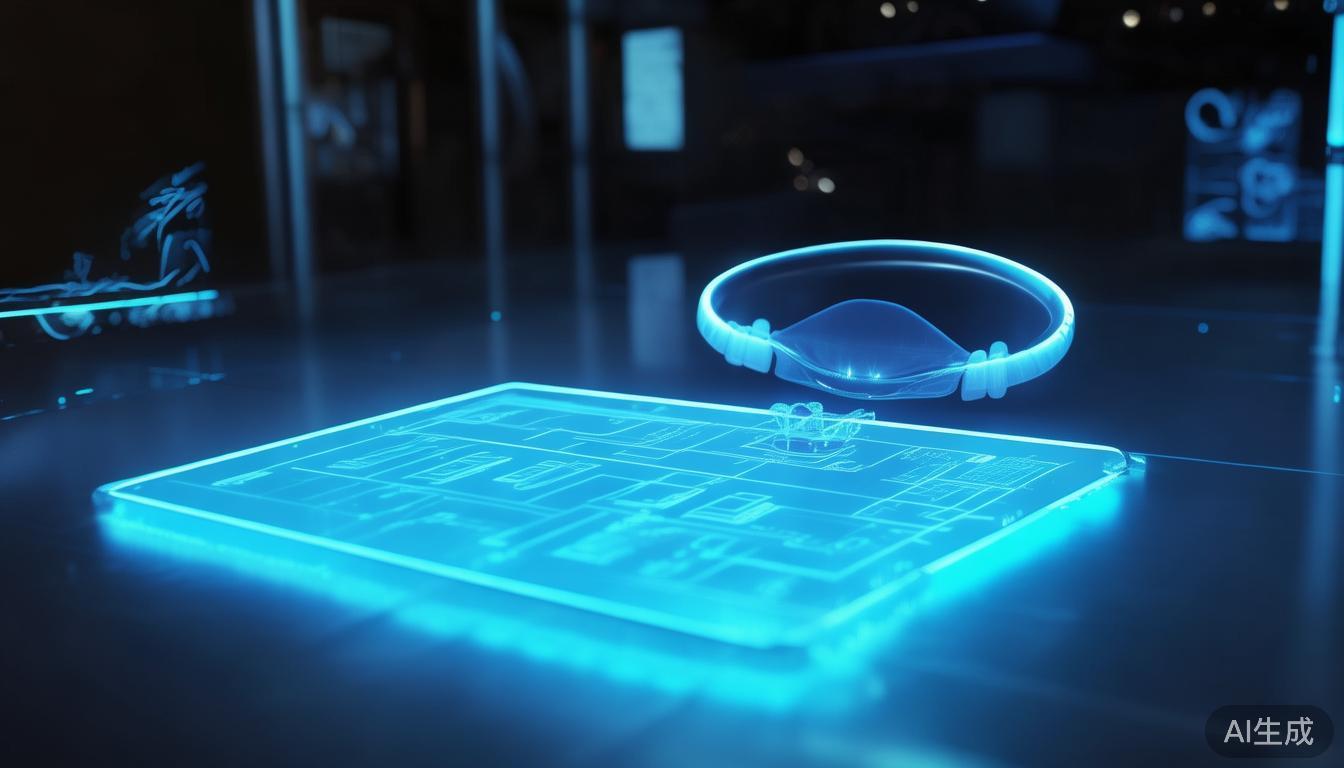
从根本上说,MouthPad 是一个小型可穿戴设备,设计用于固定在用户的舌头上。它作为一个电容式触控板工作,通过感知用户的舌头运动,将其转化为计算机屏幕上的光标移动。该设备配备了传感器,能够检测舌头的精确运动,从而实现高精度和高响应性。这不仅仅是移动光标;它是在支持一种新的输入方式,这种方式可以非常精细和多样化。
工作原理:精准与控制
MouthPad 的神奇之处在于其复杂的传感器技术。该设备使用电容感应原理,正是智能手机和平板电脑触摸屏的驱动原理。通过检测舌头靠近传感器时引起的电容变化,MouthPad 能够解释各种运动。
以下是设备如何将舌头运动转化为光标操作的简化示例:
# MouthPad 传感器输入处理伪代码

def process_sensor_data(sensor_data):
    """
    处理原始传感器数据,以确定舌头位置并将其转化为光标移动。

    参数:
        sensor_data (dict): 来自电容传感器的原始数据。

    返回:
        cursor_move (tuple): 光标移动的 X、Y 坐标。
    """
    # 归一化传感器数据
    normalized_data = normalize_data(sensor_data)

    # 计算舌头位置
    tongue_position = calculate_position(normalized_data)

    # 将位置转换为光标移动
    cursor_move = translate_to_cursor(tongue_position)

    return cursor_move

def normalize_data(sensor_data):
    # 将原始数据归一化到一致的比例
    pass

def calculate_position(normalized_data):
    # 根据传感器读数计算相对舌头位置
    pass

def translate_to_cursor(position):
    # 将舌头位置转换为光标移动
    pass
这段代码示例说明了将原始传感器数据转化为可操作光标移动的基本逻辑。实际实现会更复杂,涉及校准、错误纠正,并可能使用机器学习随着时间的推移提高准确性。
应用与无障碍性
MouthPad 有可能彻底改变残疾人士的无障碍性。对于那些是四肢瘫痪或患有严重运动障碍的人来说,传统的输入方法(如键盘和鼠标)往往无法使用。MouthPad 提供了一种可行的替代方案,允许用户仅使用舌头导航计算机、控制应用程序,甚至玩游戏。
除了无障碍性,MouthPad 还可能在专业领域找到应用。例如,飞行员可能使用它通过舌头控制飞行系统,从而腾出双手执行其他任务。外科医生在精细手术期间也能从精确、免提控制中受益。可能性是无限的,就像人类的想象力一样。
挑战:为舌头设计
创建一个与舌头交互的可穿戴设备并非没有挑战。舒适度、卫生和耐用性是首要考虑因素。该设备必须设计得适合在口中舒适地放置,不会引起刺激或不适。它还必须易于清洁,以防止细菌和其他病原体的滋生。
材料选择至关重要。设备应使用适合口腔使用的生物相容性材料制成。此外,设计必须考虑舌头的自然运动,确保传感器始终与舌头保持最佳接触,同时不妨碍舌头的运动。
未来:集成与扩展
随着技术的进步,MouthPad 可能以令人兴奋的方式进化。想象一下,未来 MouthPad 可以与神经接口集成,允许用户不仅用舌头,甚至用思想控制他们的设备。这可能会开辟全新的人机交互途径,使设备更直观、更响应我们的需求。
此外,MouthPad 可以成为更广泛的舌控设备生态系统的基础。从智能家居控制到可穿戴健康监测器,舌头可能成为各种应用的核心枢纽。
总结:交互新维度
MouthPad 代表了自适应技术的重要进步,提供了一种新颖且易于访问的方式与数字设备互动。它不仅仅是一项技术创新;它是一把强大的工具,可以赋予残疾人士权力,并为所有人开辟新的可能性。随着我们继续推动人机交互的边界,像 MouthPad 这样的设备提醒我们,技术增强人类能力并深刻改善生活的潜力是无限的。
The Future of Input: Introducing MouthPad, a Tongue-Controlled Touchpad
The world of human-computer interaction is constantly evolving, seeking more intuitive and accessible ways to bridge the gap between our physical actions and digital commands. Enter MouthPad, a groundbreaking device that transforms the human tongue into a touchpad, offering a novel solution for those with mobility impairments or those simply looking to explore new dimensions of control. This innovative approach isn't just a technological curiosity; it's a testament to the potential of adaptive technology to redefine how we interact with our devices.
The Concept: Tongue as a Touchpad
At its core, MouthPad is a small, wearable device designed to be affixed to the user's tongue. It functions as a capacitive touchpad, sensing the user's tongue movements to translate them into cursor movements on a computer screen. The device is equipped with sensors that detect the precise movements of the tongue, allowing for a high degree of accuracy and responsiveness. This isn't just about moving a cursor; it's about enabling a new form of input that can be incredibly nuanced and versatile.
How It Works: Precision and Control
The magic behind MouthPad lies in its sophisticated sensor technology. The device uses capacitive sensing, which is the same principle that powers touchscreens on smartphones and tablets. By detecting changes in capacitance caused by the tongue's proximity to the sensors, MouthPad can interpret a wide range of movements.
Here's a simplified example of how the device might translate tongue movements into cursor actions:
# Pseudocode for MouthPad sensor input processing

def process_sensor_data(sensor_data):
    """
    Processes raw sensor data to determine tongue position and translate it into cursor movements.

    Args:
        sensor_data (dict): Raw data from capacitive sensors.

    Returns:
        cursor_move (tuple): X, Y coordinates for cursor movement.
    """
    # Normalize sensor data
    normalized_data = normalize_data(sensor_data)

    # Calculate tongue position
    tongue_position = calculate_position(normalized_data)

    # Translate position to cursor movement
    cursor_move = translate_to_cursor(tongue_position)

    return cursor_move

def normalize_data(sensor_data):
    # Normalize raw data to a consistent scale
    pass

def calculate_position(normalized_data):
    # Calculate relative tongue position based on sensor readings
    pass

def translate_to_cursor(position):
    # Convert tongue position to cursor movement
    pass
This code snippet illustrates the basic logic behind translating raw sensor data into actionable cursor movements. The actual implementation would be more complex, involving calibration, error correction, and possibly machine learning to improve accuracy over time.
Applications and Accessibility
MouthPad has the potential to revolutionize accessibility for individuals with disabilities. For those who are quadriplegic or have severe motor impairments, traditional input methods like keyboards and mice are often inaccessible. MouthPad offers a viable alternative, allowing users to navigate computers, control applications, and even play games using only their tongues.
Beyond accessibility, MouthPad could find applications in specialized fields. Pilots, for instance, might use it to control in-flight systems with their tongues, freeing up their hands for other tasks. Surgeons could benefit from precise, hands-free control during delicate procedures. The possibilities are as limitless as human imagination.
The Challenges: Designing for the Tongue
Creating a wearable device that interfaces with the tongue isn't without its challenges. Comfort, hygiene, and durability are paramount concerns. The device must be designed to fit comfortably in the mouth without causing irritation or discomfort. It must also be easy to clean to prevent the growth of bacteria and other pathogens.
Material selection is critical. The device should be made from biocompatible materials that are safe for oral use. Additionally, the design must account for the natural movements of the tongue, ensuring that the sensors are always in optimal contact with the tongue without hindering its movement.
The Future: Integration and Expansion
As technology advances, MouthPad could evolve in exciting ways. Imagine a future where MouthPad integrates with neural interfaces, allowing users to control their devices with not just their tongues, but their thoughts as well. This could open up entirely new avenues for human-computer interaction, making devices more intuitive and responsive to our needs.
Moreover, MouthPad could serve as a foundation for a broader ecosystem of tongue-controlled devices. From smart home controls to wearable health monitors, the tongue could become a central hub for a wide range of applications.
Takeaway: A New Dimension of Interaction
MouthPad represents a significant step forward in adaptive technology, offering a novel and accessible way to interact with digital devices. It's more than just a technological innovation; it's a powerful tool that can empower individuals with disabilities and open up new possibilities for everyone. As we continue to push the boundaries of human-computer interaction, devices like MouthPad remind us of the incredible potential for technology to enhance human capabilities and improve lives in profound ways.