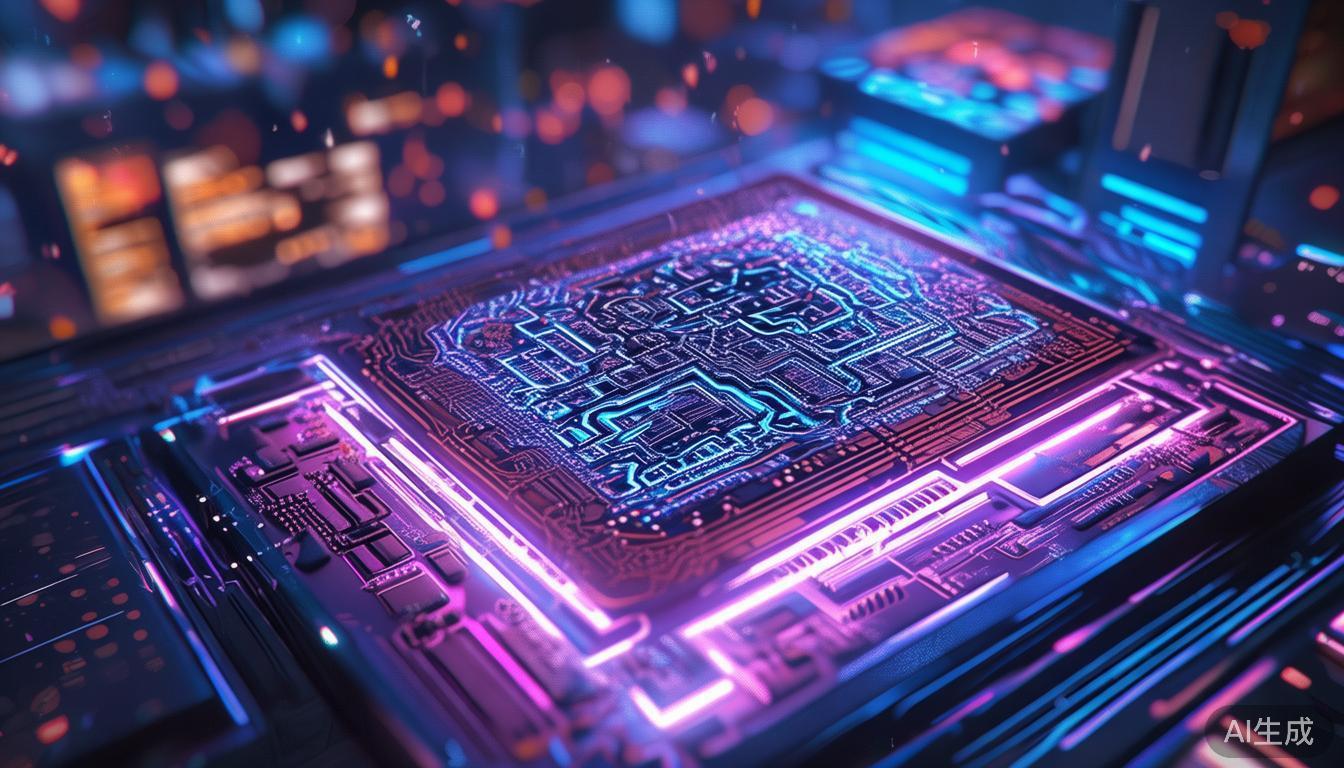
三星的突破性进展:内存中处理(PIM)技术
半导体技术领域不断演进,创新者不断拓展可能性的边界。近年来最引人注目的进展之一是三星对内存中处理(PIM)技术的探索。这种方法承诺将彻底改变数据处理和存储的方式,有可能带来更高效、更强大、更节能的设备。但PIM究竟是什么?为什么吉他手和技术爱好者都应该关注它?
理解内存中处理(PIM)
从本质上讲,内存中处理(PIM)是一种范式转变,它不同于传统的冯·诺依曼架构,其中处理和内存是独立的实体。在传统系统中,数据必须在内存和CPU之间来回传输,这个过程不仅速度慢,而且耗能。而PIM将计算单元直接集成在内存阵列中,允许数据在其存储位置进行处理。
这种集成有几个显著优势:
- 减少数据传输:通过内存中处理数据,减少了数据在内存和CPU之间传输的需求。数据传输的减少带来了更低的延迟和更高的吞吐量。
- 节能:数据传输减少意味着能耗降低。这对于移动设备和其他电池供电的设备特别有利,可以延长其工作时间。
- 提高密度:由于处理单元集成在内存中,可以在更小的面积内集成更多的计算能力,从而带来更强大和紧凑的设备。
三星对PIM技术的探索
三星一直是PIM技术开发领域的先驱。他们在Hacker News上的一次讨论中强调的最新进展,展示了他们致力于突破可能性的极限。该公司在这一领域的工作是更集成、更高效计算系统发展趋势的一部分。
三星PIM方法的关键方面之一是使用先进的内存技术,如高带宽内存(HBM)。HBM允许极高的数据传输速率,使其成为PIM实现的理想选择。通过将HBM与内存中处理单元结合,三星旨在创建新一代的计算密集型应用,这些应用可以在他们的设备上无缝运行。
对吉他手和音乐爱好者的潜在应用
虽然PIM技术可能看起来是一个专门的开发领域,但其影响是深远的。对于吉他手和音乐爱好者来说,PIM可能意味着以下几个令人兴奋的进展:
- 实时效果处理:吉他效果踏板和软件严重依赖实时处理大量数据。PIM可以实现更复杂的效果,延迟更低,提供更响应迅速和沉浸式的演奏体验。
- 高级建模和仿真:PIM可以驱动更准确和详细的吉他建模软件,允许玩家模拟各种乐器和效果,实现无与伦比的逼真度。
- 高效的音乐制作:音乐制作软件通常需要大量的计算能力来处理混音、母带处理和渲染等任务。PIM可以使这些过程更快、更节能,甚至在便携式设备上。
代码片段和示例
为了说明PIM的潜力,让我们考虑一个简单的示例,展示如何在吉他效果中应用内存中处理。传统上,一个吉他踏板可能使用微控制器或一个小型FPGA来处理失真或混响等效果。而使用PIM,这些计算可以卸载到内存阵列中的专用处理单元,从而实现更快、更高效的处理。
以下是一个使用PIM实现简单失真效果的假设示例:
// 传统方法
float processDistortion(float inputSignal) {
    float outputSignal = inputSignal * gain;
    outputSignal = tanh(outputSignal * distortionFactor);
    return outputSignal;
}

// PIM方法
float processDistortionPIM(float inputSignal) {
    // 处理发生在内存阵列中
    float outputSignal = inputSignal * gain;
    outputSignal = tanh(outputSignal * distortionFactor);
    return outputSignal;
}
在这个示例中,processDistortionPIM函数表示如何在内存阵列中执行相同的计算,减少数据传输需求并提高延迟。
挑战和注意事项
尽管PIM具有巨大的潜力,但仍需解决几个挑战:
- 设计复杂性:将处理单元集成到内存阵列是一项复杂的任务,需要复杂的设计和制造工艺。三星的最新进展表明他们正在克服这些挑战的道路上,但整个行业仍有许多需要学习的地方。
- 成本:开发和实施PIM技术成本高昂。像任何新技术一样,初期成本可能较高,但随着采用率的提高,价格预计会下降。
- 兼容性:确保PIM技术与现有系统和软件兼容至关重要。三星需要与软件开发人员密切合作,确保顺利过渡到基于PIM的系统。
总结
三星在内存中处理(PIM)技术方面的进步是计算演进的重大一步。通过将处理单元直接集成到内存阵列中,三星正在为更高效、更强大、更节能的设备铺平道路。对于吉他手和音乐爱好者来说,PIM可能带来更响应迅速的效果处理、高级建模软件以及更高效的音乐制作工具。虽然仍存在挑战,但潜在的好处是巨大的,现在是技术社区中令人兴奋的时刻。
Samsung's Breakthrough: Processing-in-Memory (PIM) Technology
The world of semiconductor technology is constantly evolving, with innovators pushing the boundaries of what's possible. One of the most intriguing developments in recent years is Samsung's foray into Processing-in-Memory (PIM) technology. This approach promises to revolutionize how data is processed and stored, potentially leading to more efficient, powerful, and energy-saving devices. But what exactly is PIM, and why should guitarists and tech enthusiasts alike care about it?
Understanding Processing-in-Memory (PIM)
At its core, Processing-in-Memory (PIM) is a paradigm shift from the traditional von Neumann architecture, where processing and memory are separate entities. In conventional systems, data must be shuttled back and forth between memory and the CPU, a process that is not only slow but also energy-intensive. PIM, on the other hand, integrates computational units directly within the memory array, allowing data to be processed where it's stored.
This integration has several significant advantages:
- Reduced Data Movement: By processing data in-memory, the need to move data between the memory and the CPU is minimized. This reduction in data movement leads to lower latency and higher throughput.
- Energy Efficiency: Less data movement means less energy consumption. This is particularly beneficial for mobile devices and other battery-powered gadgets, extending their operational time.
- Increased Density: Since processing units are integrated into the memory, more computational power can be packed into a smaller area, leading to more powerful and compact devices.
Samsung's Approach to PIM
Samsung has been a pioneer in the development of PIM technology. Their recent advancements, as highlighted in a discussion on Hacker News, demonstrate their commitment to pushing the limits of what's possible. The company's work in this area is part of a broader trend toward more integrated and efficient computing systems.
One of the key aspects of Samsung's PIM approach is the use of advanced memory technologies, such as High Bandwidth Memory (HBM). HBM allows for extremely high data transfer rates, making it an ideal candidate for PIM implementations. By combining HBM with in-memory processing units, Samsung aims to create a new generation of compute-intensive applications that can run seamlessly on their devices.
Potential Applications for Guitarists and Music Enthusiasts
While PIM technology may seem like a niche area of development, its implications are far-reaching. For guitarists and music enthusiasts, PIM could mean several exciting advancements:
- Real-Time Effects Processing: Guitar effects pedals and software rely heavily on processing large amounts of data in real-time. PIM could enable more sophisticated effects with lower latency, providing a more responsive and immersive playing experience.
- Advanced Modeling and Simulation: PIM could power more accurate and detailed guitar modeling software, allowing players to simulate a wide range of instruments and effects with unparalleled realism.
- Efficient Music Production: Music production software often requires significant computational power for tasks like mixing, mastering, and rendering. PIM could make these processes faster and more energy-efficient, even on portable devices.
Code Snippets and Examples
To illustrate the potential of PIM, let's consider a simple example of how in-memory processing could be applied to guitar effects. Traditionally, a guitar pedal might use a microcontroller or a small FPGA to process effects like distortion or reverb. With PIM, these computations could be offloaded to dedicated processing units within the memory array, leading to faster and more efficient processing.
Here's a hypothetical example of how a simple distortion effect might be implemented using PIM:
// Traditional Approach
float processDistortion(float inputSignal) {
    float outputSignal = inputSignal * gain;
    outputSignal = tanh(outputSignal * distortionFactor);
    return outputSignal;
}

// PIM Approach
float processDistortionPIM(float inputSignal) {
    // Processing occurs within the memory array
    float outputSignal = inputSignal * gain;
    outputSignal = tanh(outputSignal * distortionFactor);
    return outputSignal;
}
In this example, the processDistortionPIM function represents how the same computation could be performed within the memory array, reducing the need for data movement and improving latency.
Challenges and Considerations
Despite the promising potential of PIM, there are several challenges that need to be addressed:
- Complexity of Design: Integrating processing units into memory arrays is a complex task that requires sophisticated design and manufacturing processes. Samsung's advancements suggest they are well on their way to overcoming these challenges, but the industry as a whole still has much to learn.
- Cost: Developing and implementing PIM technology is expensive. As with any new technology, the cost is likely to be higher initially, but as adoption grows, prices are expected to come down.
- Compatibility: Ensuring that PIM technology is compatible with existing systems and software will be crucial. Samsung will need to work closely with software developers to ensure a smooth transition to PIM-based systems.
Takeaway
Samsung's advancements in Processing-in-Memory (PIM) technology represent a significant step forward in the evolution of computing. By integrating processing units directly into memory arrays, Samsung is paving the way for more efficient, powerful, and energy-saving devices. For guitarists and music enthusiasts, PIM could lead to more responsive effects processing, advanced modeling software, and more efficient music production tools. While challenges remain, the potential benefits are immense, and it's an exciting time to be a part of the tech community.