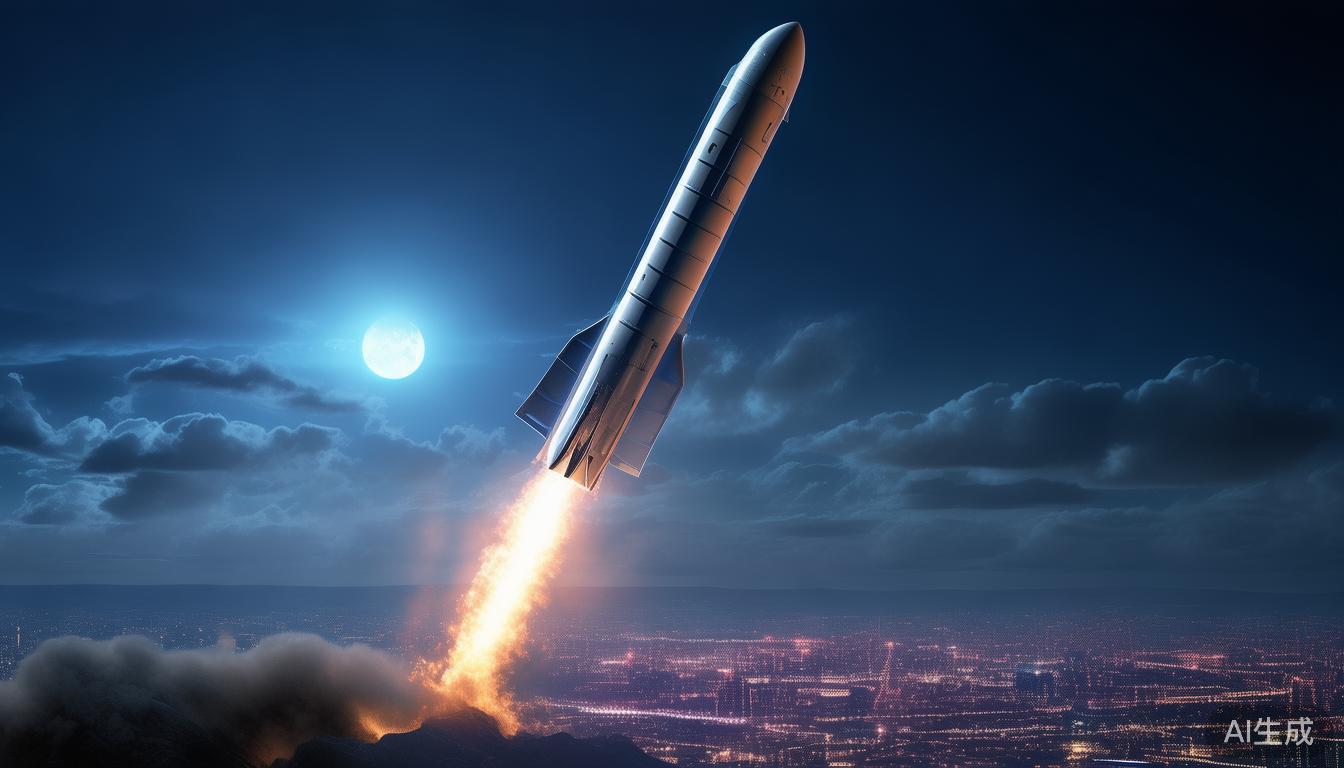
SpaceX的星舰:轨道飞行的里程碑
太空探索始终是人类梦想与雄心的领域,而SpaceX正致力于将梦想变为现实。2021年9月28日,该公司成功发射了其星舰航天器,实现了首次进入轨道的壮举。这一事件不仅是SpaceX发展计划的重要一步,也是整个太空探索领域的重要飞跃。
星舰:简要概述
在深入探讨历史性发射之前,有必要了解星舰是什么。由SpaceX首席执行官兼首席设计师埃隆·马斯克设计,星舰是一艘可完全重复使用的航天器,旨在将乘员和货物运送到地球轨道、月球、火星,甚至更远的地方。该航天器由两个主要部分组成:超级重型助推器和星舰航天器本身。
- 超级重型助推器:一级助推器,由九台Raptor发动机提供动力,为星舰提供起飞所需的初始推力。
- 星舰航天器:上层级容纳乘员或货物,并设计为可多次加注和重复使用。
星舰的目标是通过使其更像是航空旅行——可重复使用且相对廉价——来显著降低太空旅行的成本。
发射:迈向轨道能力的一步
2021年9月28日的发射不仅是为了将航天器送入轨道;它是为了证明该技术的可行性和可靠性。此次任务代号SN20,是一次测试飞行,旨在展示星舰在发射和再入的恶劣条件下生存的能力。
以下是使此次发射具有历史意义的关键点:
- 首次轨道飞行:这是星舰航天器首次达到轨道,标志着SpaceX发展时间表上的重大成就。
- 测试与验证:飞行提供了有关航天器性能的宝贵数据,包括其空气动力学、发动机性能和控制系统。
- 可重复使用设计:测试飞行旨在验证星舰的可重复使用性,这是降低太空任务成本的关键因素。
发射的关键时刻
发射本身是一场视觉盛宴,SpaceX和各种媒体机构的现场直播将这一事件呈现在全球观众面前。以下是一些关键时刻:
- 点火与起飞:超级重型助推器点燃其九台Raptor发动机,产生巨大的推力将星舰从发射台升空。点火的声音和景象令人震撼,展示了新架构的力量。
- 爬升与级间分离:星舰升空穿过大气层,超级重型助推器在燃烧完燃料后分离。助推器随后执行了受控的下降和着陆,展示了其可重复使用的功能。
- 轨道入轨:星舰继续其旅程,达到轨道并执行了一系列机动以测试其控制系统。虽然星舰设计为垂直着陆,但此次测试飞行并未包含着陆尝试。
挑战与学习
尽管此次发射具有历史意义,但必须认识到太空探索充满挑战。星舰计划曾面临多次挫折和失败,但每一次挫折都提供了宝贵的见解和学习机会。
例如,早期的测试飞行,如SN15,展示了助推器在高速度下降后成功着陆的能力。然而,星舰航天器本身面临更多障碍,包括结构问题和发动机问题。2021年9月28日的发射虽然成功达到轨道,但也揭示了需要改进的领域。
星舰的未来
星舰计划的成绩不仅在于达到轨道;它们在于为未来的任务铺平道路。以下是星舰的未来展望:
- 火星殖民:SpaceX的最终目标是使用星舰殖民火星。该航天器的设计允许将人类和货物运送到红色星球,使星际旅行成为现实。
- 月球任务:星舰还设计用于支持NASA的阿尔忒弥斯计划,该计划旨在将人类带回月球。该航天器可以作为一个月球着陆器或一个前往月球的运输工具。
- 商业太空旅游:凭借其运载大型货物的能力,星舰可能为商业太空旅游开辟新的机会,让更多人体验太空旅行。
代码片段:理解发射
为了提供更技术性的见解,让我们来看一个简化的示例,说明发射控制系统可能是如何编程的。这是一个假设性的Python代码片段,展示了点火序列的基本逻辑:
def ignite_engines():
    engines = ['Engine1', 'Engine2', 'Engine3', 'Engine4', 'Engine5', 'Engine6', 'Engine7', 'Engine8', 'Engine9']
    for engine in engines:
        start_engine(engine)
        print(f"{engine} ignited.")

def start_engine(engine_name):
    # 假设的启动发动机的函数
    pass

def main():
    print("Initiating launch sequence...")
    ignite_engines()
    print("All engines running. Initiating liftoff...")
    liftoff()

def liftoff():
    # 假设的模拟起飞的函数
    print("Liftoff achieved!")

if __name__ == "__main__":
    main()
虽然这是一个简化的示例,但它有助于说明发射航天器所涉及的复杂性。实际系统远为复杂,涉及众多安全检查和冗余设计。
总结
SpaceX的星舰航天器首次轨道飞行是一项里程碑式的成就,使经济实惠且可重复使用的太空旅行梦想更接近现实。尽管旅程充满挑战,但像2021年9月28日的发射这样的成功,展示了这项创新技术的潜力。星舰的未来展望包括火星殖民、月球任务和太空探索的新前沿。随着该计划的不断发展,它无疑将塑造人类太空飞行的下一个时代,使最终疆域比以往任何时候都更加触手可及。
SpaceX's Starship: A Milestone in Orbital Flight
Space exploration has always been a realm of dreams and ambitions, and SpaceX has been at the forefront of turning those dreams into reality. On September 28, 2021, the company achieved a monumental milestone with the first-ever launch of its Starship spacecraft to orbit. This event marked not just a step forward in SpaceX's agenda but also a significant leap in the broader field of space exploration.
The Starship: A Brief Overview
Before diving into the historic launch, it's essential to understand what Starship is. Designed by SpaceX's CEO and lead designer, Elon Musk, Starship is a fully reusable spacecraft intended to carry crew and cargo to Earth orbit, the Moon, Mars, and potentially beyond. The spacecraft consists of two main parts: the Super Heavy booster and the Starship spacecraft itself.
- Super Heavy Booster: The first-stage booster, powered by nine Raptor engines, provides the initial thrust to lift the Starship off the ground.
- Starship Spacecraft: The upper stage houses the crew or cargo and is designed to be refueled and reused multiple times.
The goal of Starship is to reduce the cost of space travel significantly by making space access more like air travel—reusable and relatively inexpensive.
The Launch: A Step Closer to Orbital Capability
The launch on September 28, 2021, was not just about putting a spacecraft into orbit; it was about proving the technology's viability and reliability. The mission, designated SN20, was a test flight designed to demonstrate the Starship's ability to survive the harsh conditions of launch and reentry.
Here’s a breakdown of what made this launch historic:
- First Orbital Flight: This was the first time a Starship spacecraft reached orbit, marking a significant achievement in SpaceX's development timeline.
- Testing and Validation: The flight provided invaluable data on the spacecraft's performance, including its aerodynamics, engine performance, and control systems.
- Reusable Design: The test flight was designed to validate the reusable nature of Starship, a key factor in reducing the cost of space missions.
Key Moments of the Launch
The launch itself was a spectacle to behold, with live coverage from SpaceX and various media outlets bringing the event to a global audience. Here are some of the key moments:
- Ignition and Liftoff: The Super Heavy booster ignited its nine Raptor engines, producing an immense amount of thrust that lifted the Starship off the launchpad. The sound and sight of the liftoff were awe-inspiring, showcasing the power of the new architecture.
- Ascent and Stage Separation: The Starship ascended through the atmosphere, with the Super Heavy booster detaching afterburning its fuel. The booster then executed a controlled descent and landing, demonstrating its reusable capabilities.
- Orbital Insertion: The Starship spacecraft continued its journey, reaching orbit and performing a series of maneuvers to test its control systems. While the spacecraft was designed to land vertically, this test flight did not include a landing attempt.
Challenges and Learnings
Despite the historic nature of the launch, it's important to recognize that space exploration is fraught with challenges. The Starship program has faced several setbacks and failures, but each one has provided valuable insights and learning opportunities.
For example, earlier test flights, such as SN15, demonstrated the booster's ability to land successfully after a high-speed descent. However, the Starship spacecraft itself has faced more hurdles, including structural issues and engine problems. The September 28, 2021, launch, while successful in reaching orbit, also revealed areas for improvement.
The Future of Starship
The achievements of the Starship program are not just about reaching orbit; they are about paving the way for future missions. Here’s what the future holds for Starship:
- Mars Colonization: SpaceX's ultimate goal is to use Starship to colonize Mars. The spacecraft's design allows for the transportation of humans and cargo to the Red Planet, making interplanetary travel a reality.
- Lunar Missions: Starship is also designed to support NASA's Artemis program, which aims to return humans to the Moon. The spacecraft could serve as a lunar lander or a transit vehicle to the Moon.
- Commercial Space Tourism: With its ability to carry large payloads, Starship could open up new opportunities for commercial space tourism, allowing more people to experience space travel.
Code Snippets: Understanding the Launch
To give a more technical insight, let's look at a simplified example of how the launch control system might be programmed. This is a hypothetical snippet in Python, illustrating the basic logic behind the ignition sequence:
def ignite_engines():
    engines = ['Engine1', 'Engine2', 'Engine3', 'Engine4', 'Engine5', 'Engine6', 'Engine7', 'Engine8', 'Engine9']
    for engine in engines:
        start_engine(engine)
        print(f"{engine} ignited.")

def start_engine(engine_name):
    # Hypothetical function to start an engine
    pass

def main():
    print("Initiating launch sequence...")
    ignite_engines()
    print("All engines running. Initiating liftoff...")
    liftoff()

def liftoff():
    # Hypothetical function to simulate liftoff
    print("Liftoff achieved!")

if __name__ == "__main__":
    main()
While this is a simplified example, it helps illustrate the complexity involved in launching a spacecraft. The actual systems are far more intricate, involving numerous safety checks and redundancies.
Takeaway
SpaceX's first orbital flight of the Starship spacecraft was a monumental achievement that brought the dream of affordable and reusable space travel one step closer to reality. While the journey has been fraught with challenges, the successes, like the September 28, 2021, launch, demonstrate the potential of this innovative technology. The future of Starship holds promises of Mars colonization, lunar missions, and new frontiers in space exploration. As the program continues to evolve, it will undoubtedly shape the next era of human spaceflight, making the final frontier more accessible than ever before.